Enzyme Repairs DNA to Prevent Neurodegeneration

featured 112304

Summary: A new study from Osaka University reveals that the DNA repair enzyme DNA polymerase β (Polβ) is essential for protecting the developing brain from damaging mutations. The researchers show that loss of Polβ causes a steep increase in small insertions and deletions (indels) at CpG dinucleotides—key regulatory sites in the genome—compromising genetic stability during … Read more

New Neuron Type Controls Memory Recall Accuracy

featured 112300

Summary: Researchers have identified a previously unrecognized population of inhibitory neurons defined by the synaptic adhesion molecule Kirrel3. These neurons receive excitatory input from dentate granule cells and project strongly onto CA3 hippocampal neurons, placing them at a pivotal circuit node for memory retrieval and discrimination. When activated, Kirrel3-expressing neurons suppress CA3 activity and reduce … Read more

Prenatal Pesticides Linked to Lasting Brain Damage in Children

featured 112290

Summary: A new longitudinal study offers the most compelling evidence to date that prenatal exposure to the insecticide chlorpyrifos (CPF) disrupts brain development and leads to persistent structural and functional abnormalities. In brain imaging and behavioral assessments of more than 270 children from New York City, higher prenatal CPF levels were linked to widespread changes … Read more

Study Finds Eight New Genes Linked to Schizophrenia

featured 112286

Summary: The largest whole-exome sequencing study to date has identified eight new genes associated with schizophrenia. Two genes, STAG1 and ZNF136, show strong statistical evidence, while six others demonstrate more moderate associations. Notably, SLC6A1 and KLC1 are the first schizophrenia risk genes implicated exclusively through missense variants, pointing to altered protein function as a contributing … Read more

Immune Attack on Olfactory Pathways May Signal Early Alzheimer’s

featured 112280

Summary: A decline in the sense of smell can be one of the earliest indicators of Alzheimer’s disease. New research explains how immune cells in the brain mistakenly remove nerve fibers that connect the locus coeruleus and the olfactory bulb—two regions essential for detecting and processing odors. This immune-driven pruning is triggered when hyperactive neurons … Read more

Boosting Prefrontal Dopamine Could Reduce Alcohol Consumption

featured 112273

Summary: A randomized study shows that tolcapone, a drug that increases cortical dopamine, strengthens brain circuits involved in self-control and correspondingly reduces alcohol consumption in people with alcohol use disorder (AUD). The medication enhanced activity in the inferior frontal gyrus, a key part of the prefrontal cortex that supports inhibitory control. Participants who received tolcapone … Read more

Why Highly Sensitive People Face Greater Mental Health Risk

featured 112269

Summary: A comprehensive meta-analysis of 33 studies finds that individuals with high environmental sensitivity are more likely to experience common mental health conditions — notably depression, anxiety, PTSD and avoidant personality disorder. Environmental sensitivity refers to a heightened awareness and responsiveness to sensory and emotional cues in the environment, which can increase vulnerability to stressors … Read more

Insulin Signaling in the Pancreas Linked to Bipolar Mood Swings

featured 112264

Summary: A new study identifies a pancreas–hippocampus feedback circuit that may help explain mood swings in bipolar disorder. Using pancreatic islets derived from people with bipolar disorder, researchers discovered reduced insulin secretion connected to elevated expression of the bipolar risk gene RORβ. In mice, overexpressing RORβ specifically in pancreatic β cells produced day-night shifts in … Read more

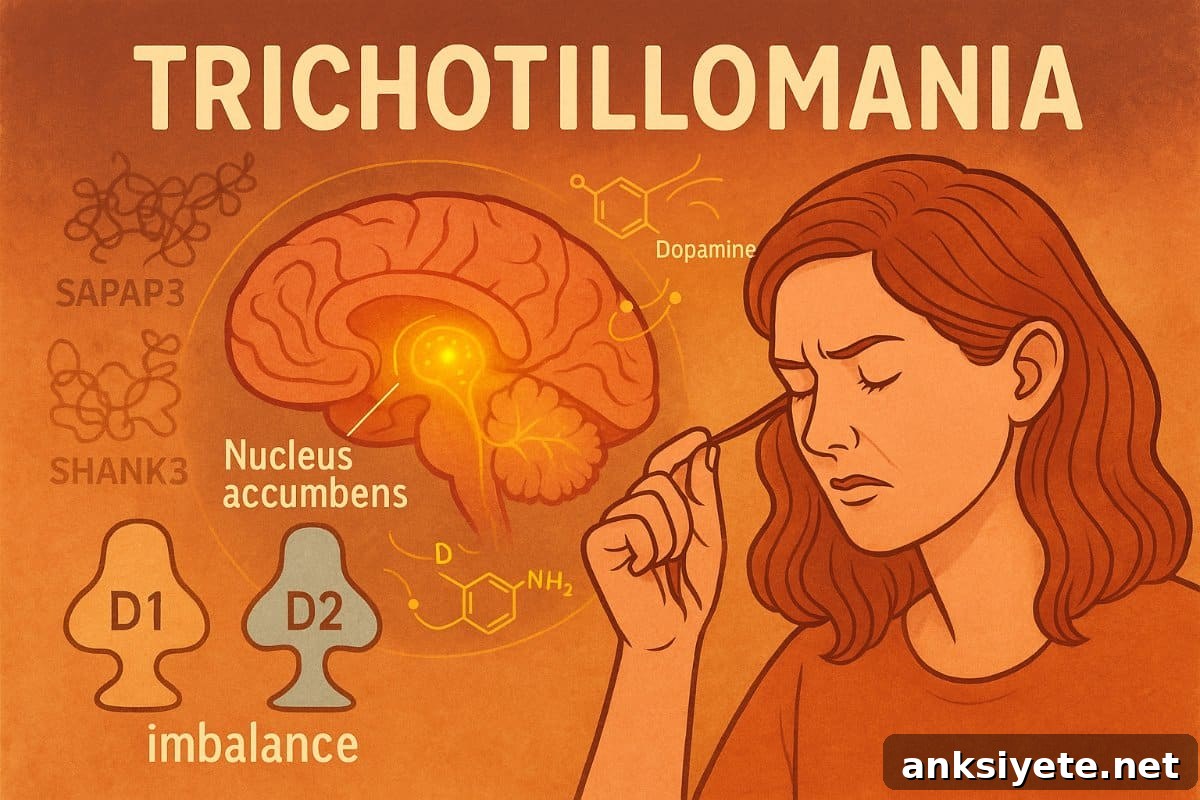
How Dopamine Imbalance Drives Trichotillomania

featured 112260

Summary: A recent study using Sapap3 knockout mice provides new insight into the neural mechanisms that may underlie trichotillomania (TTM), or hair-pulling disorder. These genetically modified mice exhibited compulsive grooming, increased aggression, and stress-sensitive behaviors that parallel core features of human TTM, with particularly pronounced effects in females. Neural recordings and molecular analyses revealed reduced … Read more

Why Morning Caffeine Boosts Mood More Than Later

featured 112256

Summary: A large real-world study of 236 young adults found that caffeine reliably increases positive emotions, especially in the morning. Participants who had a cup of coffee or another caffeinated beverage reported feeling happier and more enthusiastic on those mornings compared with similar times on days without caffeine. The boost in positive mood appeared regardless … Read more