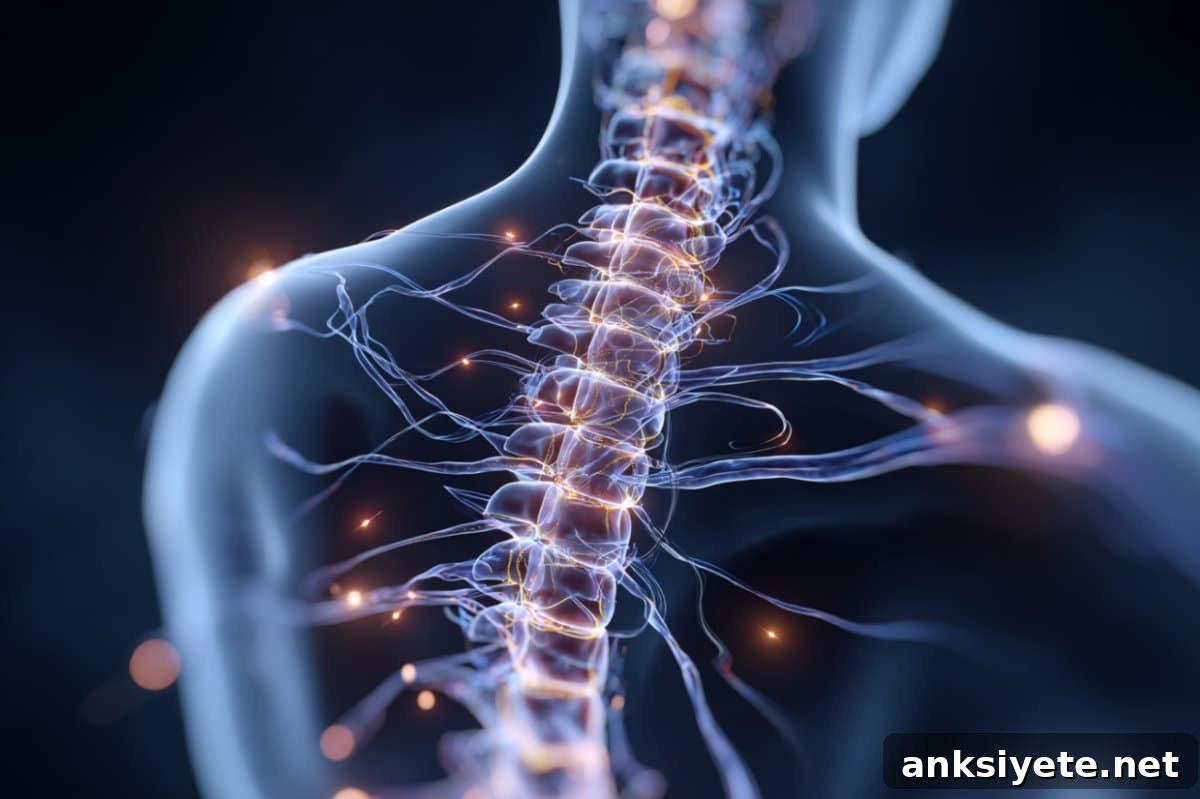
How Gut Neurons Coordinate Immune Repair After Inflammation
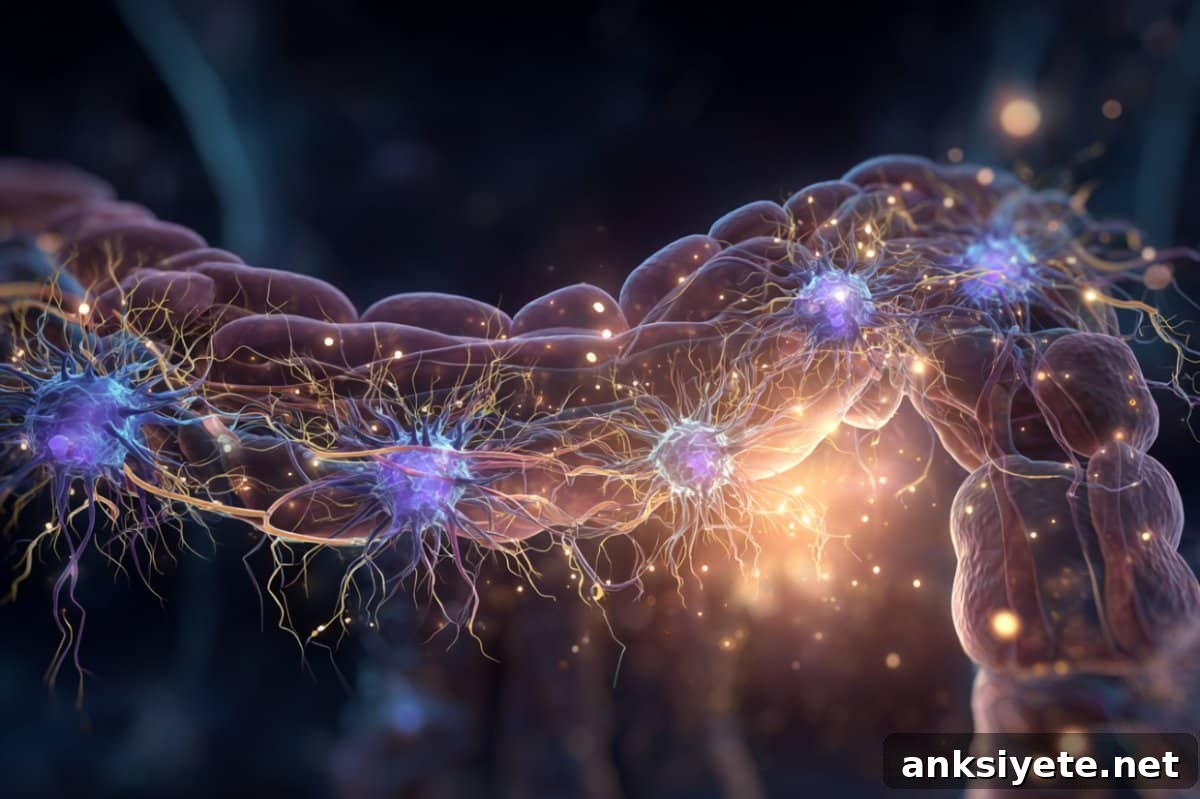
featured 112238

Summary: Researchers at Weill Cornell Medicine have identified a direct neuro-immune pathway in the gut in which enteric neurons produce the neuropeptide adrenomedullin 2 (ADM2). ADM2 stimulates group 2 innate lymphoid cells (ILC2s) to release amphiregulin, a factor that promotes tissue repair. In preclinical models, ADM2 expanded protective ILC2 populations and improved recovery from intestinal … Read more
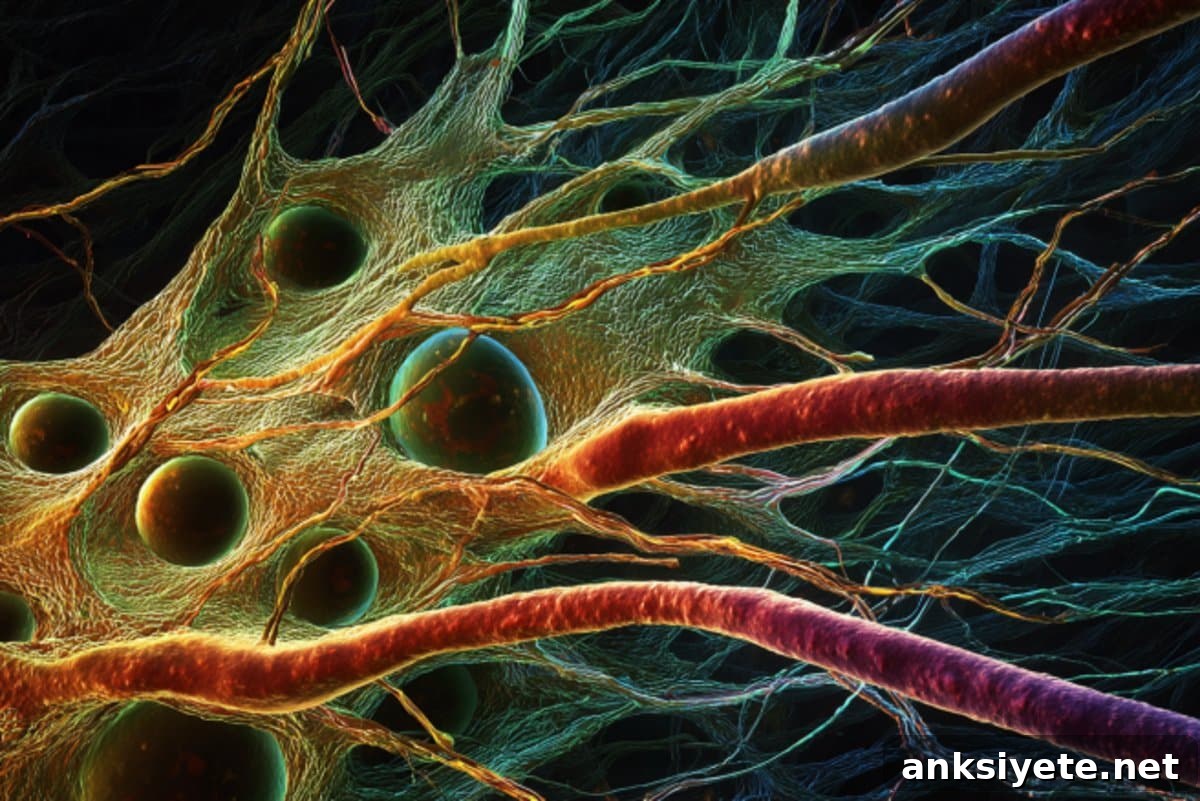
Retina Synchronizes Visual Signals Before They Reach the Brain

featured 112234

Summary: Researchers have found that the human retina actively synchronizes visual signals before they reach the brain. By varying the diameter of retinal nerve fibers, longer axons conduct impulses faster so that signals from distant photoreceptors arrive nearly in sync with those from closer ones. This intrinsic retinal mechanism reduces timing differences to a few … Read more

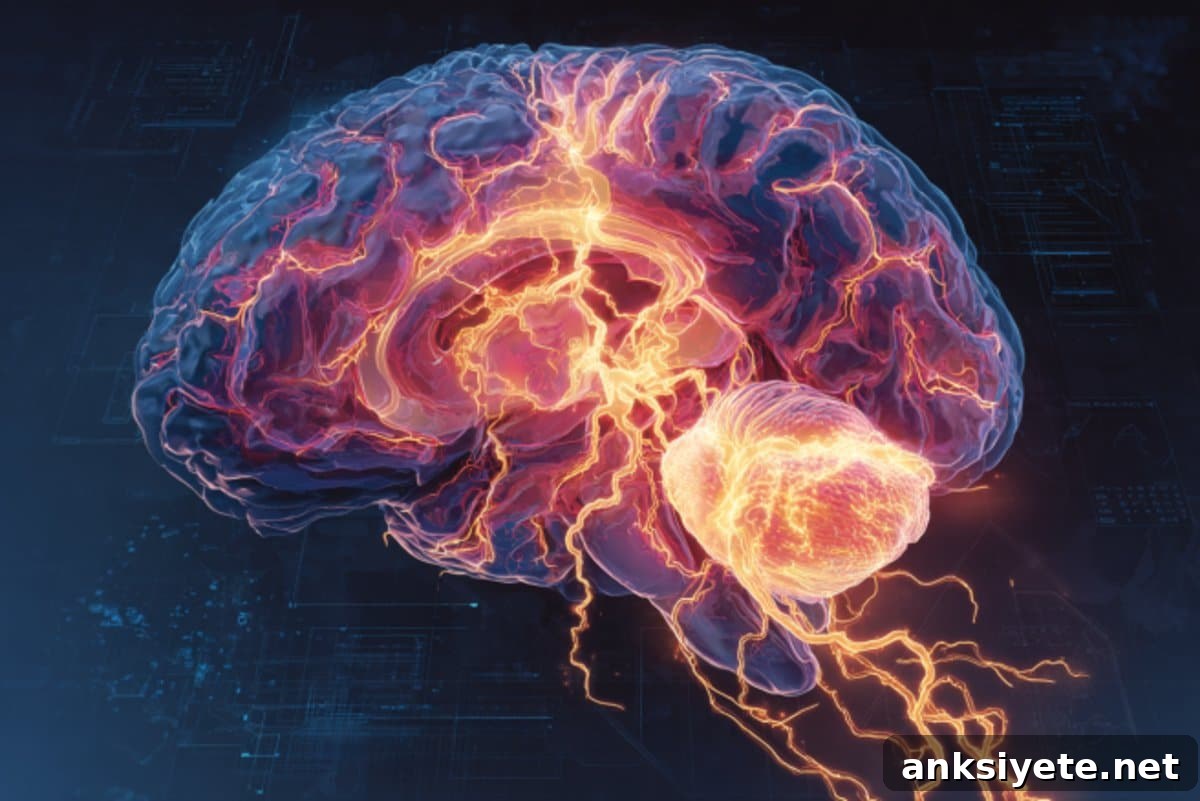
Circuit Model Reveals Striatum’s Role in Everyday Decisions

featured 112226

Summary: Researchers have created a computational framework that explains how the striosomal compartment of the striatum shapes everyday decision-making. By combining biological data, decision theory, and mathematical modeling, the study shows that different levels of striosomal activity bias people toward impulsive, balanced, or overly deliberative choices. High striosomal activity steers decisions toward quick, reward-driven options, … Read more

Single-Gene Edit Transfers Behaviors Across Species

featured 112222

Summary: Researchers in Japan used genetic engineering to make one species of fruit fly display a courtship ritual normally seen only in another species. By activating the sex-determination “fruitless” gene in insulin-producing neurons, they rewired the brain of Drosophila melanogaster so males offered regurgitated food to potential mates — a nuptial gift behavior characteristic of … Read more

Can Restoring Lithium Levels Prevent Alzheimer’s?

featured 112214

Summary: A decade-long investigation indicates that naturally occurring lithium in the brain helps protect against Alzheimer’s disease by preserving normal function across major brain cell types. Researchers report that lithium loss is among the earliest measurable brain changes associated with Alzheimer’s and often precedes clear symptoms. In mouse models, lowering brain lithium produced core features … Read more

Genetic Switch May Underlie Human Brain’s Distinct Abilities

featured 112205

Summary: Researchers have identified a genetic element called HAR123 that may help explain features that make the human brain distinct. Functioning as a transcriptional enhancer, HAR123 influences the formation and behavior of neural progenitor cells—the precursors that produce neurons and glial cells—and affects the balance between these two cell types. This regulatory effect appears to … Read more

How Quitting Smoking Boosts Recovery From Other Addictions

featured 112200

Summary: A large U.S. cohort analysis shows that adults recovering from alcohol or other drug addictions are significantly more likely to maintain long-term remission when they also stop smoking cigarettes. Using data from 2,652 participants in the ongoing PATH Study, researchers found that a change from current to former smoking was associated with substantially higher … Read more

New Australopithecus Fossils Show Early Humans Coexisted

featured 112195

Summary: An international research team working at Ledi-Geraru in Ethiopia has uncovered fossil evidence showing that early members of the genus Homo and a previously unrecognized species of Australopithecus lived side-by-side in the same place between about 2.6 and 2.8 million years ago. The discovery includes 13 australopith teeth that differ from Australopithecus afarensis (famously … Read more

Musicians Lack an Advantage in Early Auditory Processing

featured 112186

Summary: A large-scale, multi-site study challenges the widely held belief that formal musical training improves the brain’s earliest stages of sound processing. Using a sample size more than four times larger than earlier reports, researchers found no reliable difference between musicians and non-musicians in subcortical auditory responses measured by the Frequency Following Response (FFR), nor … Read more

Neuron Discovery May Restore Breathing After Spinal Cord Injury

featured 112182

Summary: Researchers have identified a specialized group of spinal cord interneurons that help regulate breathing when the body faces physiological stress such as elevated carbon dioxide (CO₂) levels. When these cells were blocked in experimental models, the ability to adapt breathing to high CO₂ was impaired, indicating these neurons play an essential role in respiratory … Read more