
Summary: A new study identifies a pancreas–hippocampus feedback circuit that may help explain mood swings in bipolar disorder. Using pancreatic islets derived from people with bipolar disorder, researchers discovered reduced insulin secretion connected to elevated expression of the bipolar risk gene RORβ.
In mice, overexpressing RORβ specifically in pancreatic β cells produced day-night shifts in behavior: depression-like signs during the light phase and mania-like signs during the dark phase. These changes tracked with alterations in insulin release and hippocampal activity, suggesting a circadian brain–body loop that links metabolic function and mood regulation.
Key Facts
- Genetic link: Elevated RORβ in pancreatic β cells altered insulin dynamics and produced mood-related behavioral changes in animal models.
- Circadian dynamics: Behavioral states switched between depressive-like in the light phase and manic-like in the dark phase, driven by time-of-day changes in pancreas–brain signaling.
- Integrated mechanism: The study describes a bidirectional pancreas–hippocampus feedback loop that couples metabolic dysfunction to mood instability.
Why this matters
- Biological explanation: Provides a testable mechanism for the frequent co-occurrence of metabolic disturbances and mood swings in bipolar disorder.
- Consistency with prior work: Builds on evidence linking insulin signaling, circadian regulation, and psychiatric symptoms.
- Therapeutic implications: Suggests new avenues for treatments that target pancreatic function, circadian timing, or their interaction to stabilize mood cycles.
Source: Neuroscience News
Background: For years clinicians and researchers have noted that many people with neuropsychiatric disorders—especially bipolar disorder—also show metabolic changes such as impaired glucose regulation and altered insulin levels. Despite repeated clinical observations, the biological pathways connecting metabolic status and mood fluctuations have remained elusive.
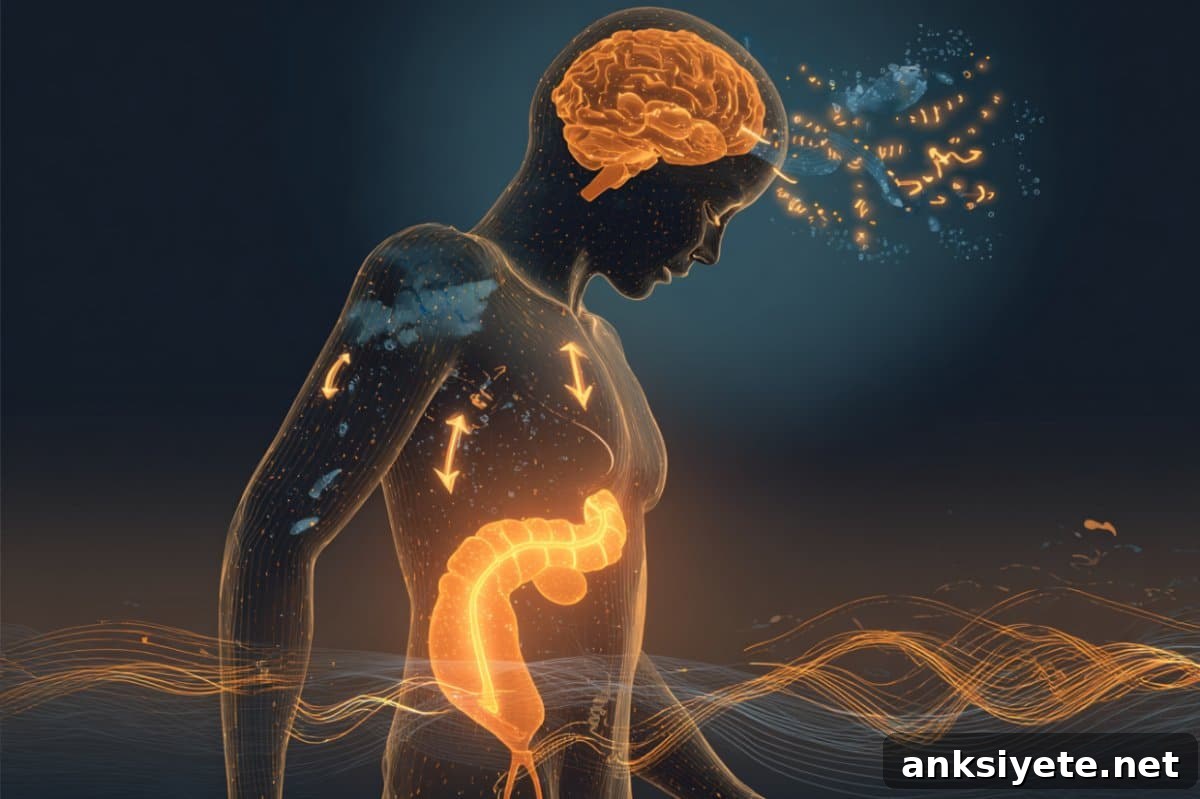
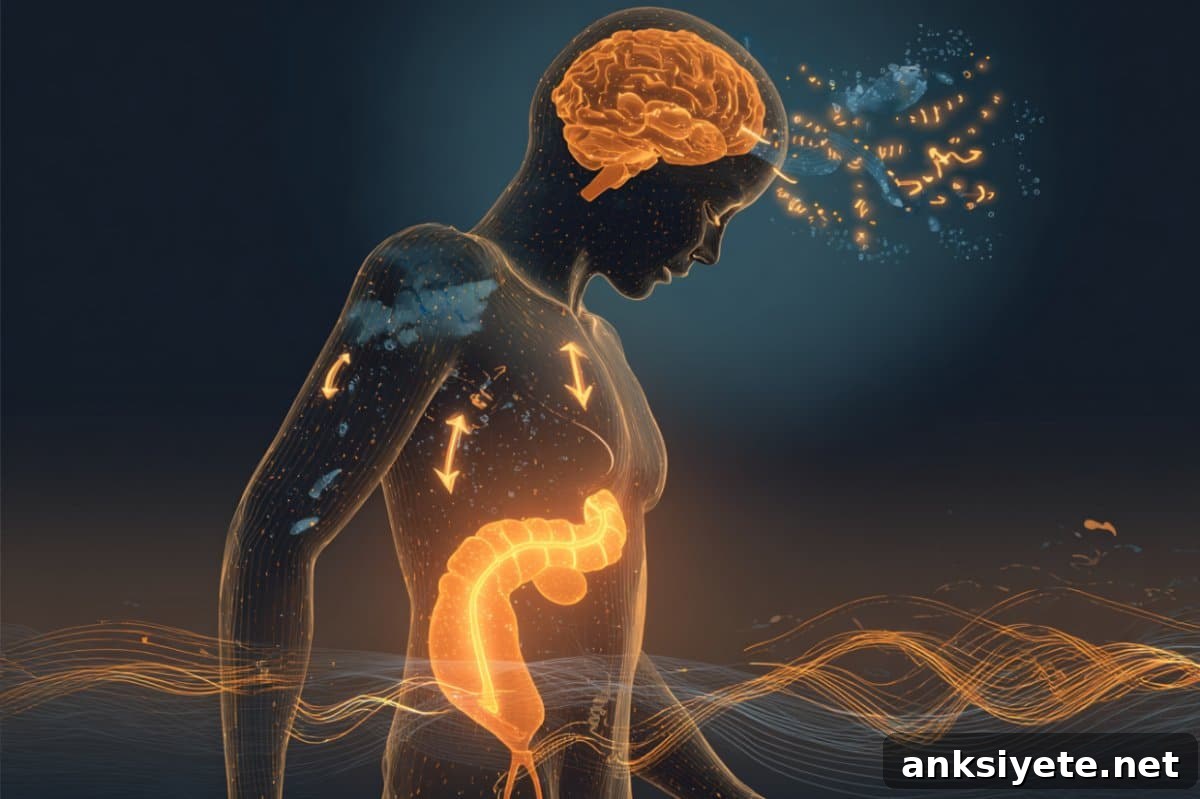
This new research points to a surprising organ–brain connection: a circadian feedback loop between the pancreas and the hippocampus. By examining pancreatic islets derived from induced pluripotent stem cells produced by people with bipolar disorder, the investigators found a clear cellular defect: reduced insulin secretion. That deficit correlated with increased expression of RORβ, a gene already implicated as a susceptibility factor for bipolar disorder.
Modeling the disorder in mice
To explore whether pancreatic RORβ could causally link metabolic and mood symptoms, the researchers engineered mice to overexpress RORβ specifically in pancreatic β cells. Those mice showed a striking pattern of time-dependent behavior: during the light phase they exhibited depression-like behaviors and suppressed insulin release, while in the dark phase they displayed mania-like behaviors accompanied by elevated insulin output.
At the neural level, reduced daytime insulin coincided with increased activity in the hippocampus, a brain region critical for mood, memory, and stress responses. That hippocampal hyperactivity then produced a delayed effect on pancreatic function: by the dark phase, insulin secretion rose and hippocampal activity fell, corresponding with the emergence of mania-like behaviors. These reciprocal changes point to a dynamic, time-of-day–dependent interaction between pancreas and hippocampus.
The pancreas–hippocampus feedback loop
The work supports a bidirectional feedback mechanism in which pancreatic insulin signaling modulates hippocampal neuronal activity, and in turn hippocampal state influences pancreatic output. Because the loop follows a circadian rhythm, a disturbance during one phase can cascade into an altered physiological and behavioral state in the next phase. In this model, metabolic and mood symptoms are tightly linked facets of the same biological circuit rather than independent coexisting problems.
Importantly, the observations in mice align with the human cellular findings: elevated RORβ in patient-derived islets corresponds to insulin secretion deficits, offering a plausible molecular entry point that affects both metabolism and brain function.
Implications beyond bipolar disorder
Although the study centered on bipolar disorder, the described mechanism may have broader relevance to other psychiatric conditions that co-occur with metabolic changes, such as major depressive disorder or schizophrenia. The results also highlight the potential value of treatments that address peripheral metabolic processes or circadian timing—approaches that could indirectly stabilize hippocampal function and improve mood regulation.
Because RORβ is involved in circadian regulation, these findings emphasize that time-of-day effects deserve attention in both research and clinical practice. Strategies that realign circadian rhythms—through chronotherapy, optimized medication timing, light exposure, or meal timing—might help normalize the pancreas–hippocampus feedback and reduce mood cycling.
An integrative model for bipolar disorder
This study advances an integrative model that links genetics, metabolism, and neural circuits: a specific genetic factor (RORβ) can drive pancreatic dysfunction, which then couples with cyclical hippocampal activity to produce alternating mood states. By framing bipolar disorder as a condition that involves systemic interactions between body and brain, the research opens new directions for understanding and treating mood instability.
Future research should validate the pancreas–hippocampus feedback loop in people and test whether modulating RORβ expression or insulin dynamics can meaningfully shift mood cycles. If translational work succeeds, therapies that target peripheral metabolic pathways or circadian regulation could become important complements to traditional brain-focused treatments.
About this neuroscience and bipolar disorder research news
Author: Neuroscience News Editorial Team
Contact: Neuroscience News
Source: Neuroscience News Editorial Team
Image: The image is credited to Neuroscience News
Original Research: Closed access. “A pancreas–hippocampus feedback mechanism regulates circadian changes in depression-related behaviors” by Yao-Nan Liu et al., Nature Neuroscience
Abstract
A pancreas–hippocampus feedback mechanism regulates circadian changes in depression-related behaviors
Individuals with neuropsychiatric disorders often show metabolic symptoms, but the mechanisms linking these features have been unclear. Here, pancreatic islets derived from people with bipolar disorder showed insulin secretion deficits associated with increased RORβ expression. Enhancing RORβ in mouse pancreatic β cells produced depression-like behaviors in the light phase and mania-like behaviors in the dark phase. Daytime RORβ overexpression reduced insulin release and induced hippocampal hyperactivity and depression-like behavior, whereas the resulting hippocampal state later promoted increased insulin release and mania-like behavior in the dark phase. These results support a pancreas–hippocampus feedback mechanism in which metabolic and circadian factors interact to generate behavioral fluctuations relevant to bipolar disorder.