Fungal Molecule Targets Brain Cancer Cells, Study Finds
featured 114235

Summary: For the first time, chemists have completed the total synthesis of verticillin A, a structurally intricate fungal natural product with notable anticancer activity. Because the molecule is unusually fragile, researchers redesigned the entire synthetic sequence, allowing them not only to reproduce verticillin A but also to create more stable and potentially more effective derivatives. … Read more


Could Your Next Breath Change What You Remember?

featured 114231

Summary: Breathing does more than sustain life — it also times how memories are retrieved. In a controlled study, participants remembered word-image pairs more accurately when reminder cues were given during or just before inhalation, while the brain’s neural reconstruction of those memories primarily unfolded during exhalation. EEG recordings showed that successful recall is linked … Read more

How Strong Marriages Rewire Brain-Gut Communication

featured 114227

Summary: Strong emotional support in marriage may help lower obesity risk by changing how the brain and gut communicate. In a UCLA Health study, people in emotionally supportive marriages showed better control over food cravings, healthier gut metabolism related to tryptophan pathways, and higher blood levels of oxytocin—a hormone involved in bonding and appetite regulation. … Read more

How Early-Life Stimulation Triggers a Molecular Memory Code

featured 114223

Summary: New research reveals that early-life environments shape lifelong memory through a single molecular switch that controls the activity of genes linked to learning. In mice, enriched childhood conditions activated this switch and strengthened the neural circuits that support memory and cognition, while deprived environments suppressed it and weakened those circuits. When researchers blocked this … Read more

How Mental Illness Can Reveal Hidden Strengths

featured 114219

Summary: Mental illness is commonly described by its difficulties, yet growing research shows it can also be associated with unexpected strengths. Certain psychological conditions have been linked to increased creativity, sharper social sensitivity, deeper emotional awareness, and enhanced resilience. Long-term studies indicate that some people not only recover from mental illness, but later report higher-than-average … Read more

Scientists Uncover Hidden Brain Layers in the Hippocampus

featured 114215

Summary: Researchers have uncovered a previously hidden layered organization inside one of the brain’s primary memory centers. The CA1 region of the hippocampus, long known for its role in memory, navigation, and emotion, is composed of four distinct sheets of pyramidal neurons. Each sheet is defined by a unique molecular signature that shifts modestly along … Read more

How AI Is Changing Grief, Memory, and the Way We Face Death

featured 114211

Summary: Generative artificial intelligence is quietly reshaping how people experience grief, remembrance, and mortality. Digital reconstructions of those who have died can offer solace and preserve memories, but they also risk blurring the natural line between presence and absence and complicating the process of emotional closure. Researchers and clinicians caution that depending on AI for … Read more

Why Cognitive Profiles in Schizophrenia Are Overlooked

featured 114207

Summary: A comprehensive scientific review identifies a major gap in knowledge about cognitive functioning when schizophrenia and personality disorders co-occur. Despite this dual diagnosis affecting a substantial portion of people with schizophrenia and being linked to poorer outcomes, only a handful of rigorous studies have examined cognition in this group. The review highlights the urgent … Read more

How Creativity Helps Slow Brain Aging

featured 114203

Summary: A large international brain-imaging analysis found that regular creative activity is linked to a younger-looking brain and slower brain aging. People who regularly danced, made music, created visual art, or played strategy-based video games showed brain patterns associated with delayed neural aging. The effect strengthened with years of experience, indicating that long-term creative engagement … Read more

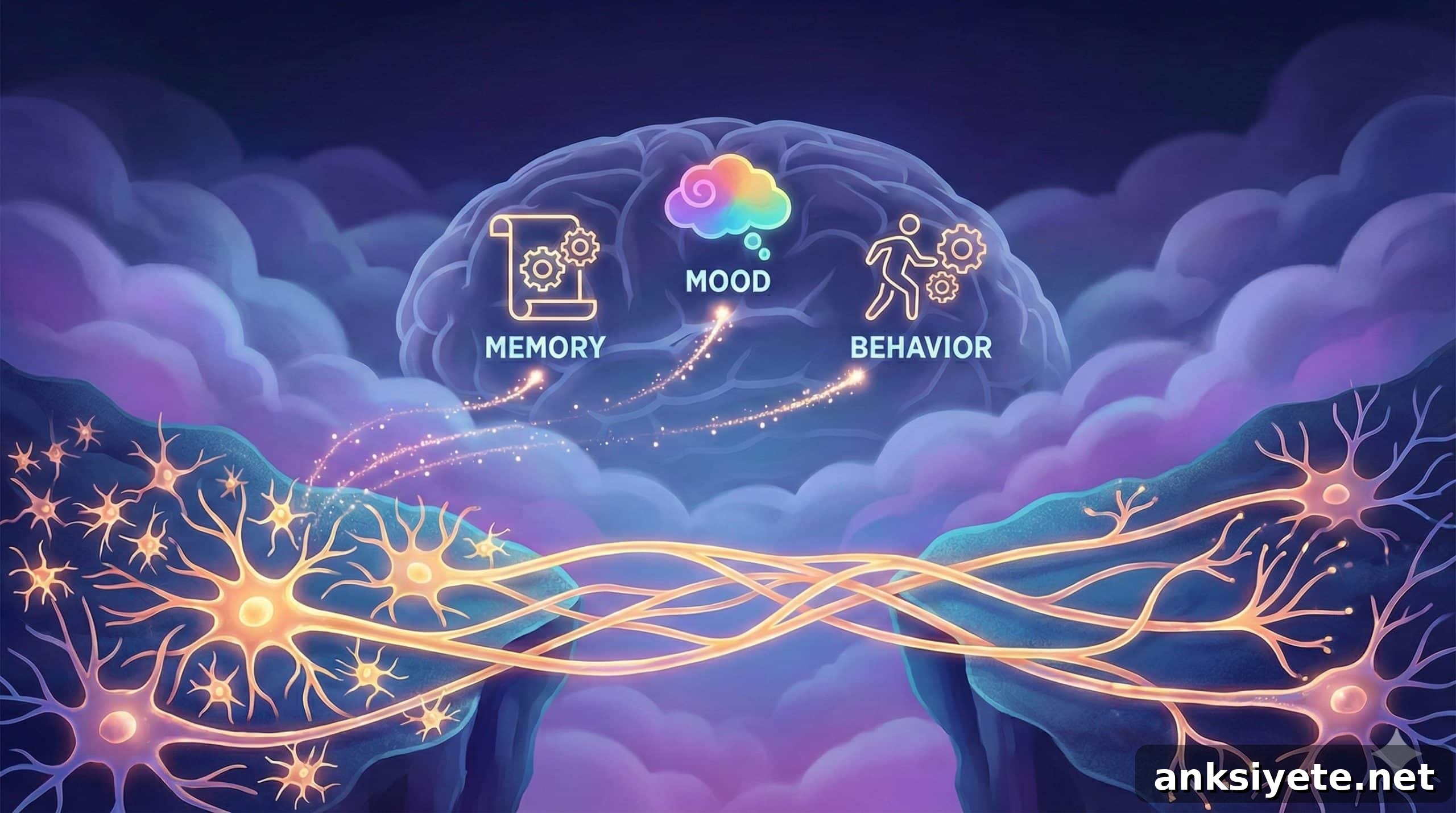
Tiny Brain Cells That Shape Memory, Mood and Behavior

featured 114198

Summary: Researchers have identified a biological “blueprint” that explains how the brain’s microscopic components assemble into the large-scale networks that underlie thought, emotion, and behavior. By integrating brain imaging with genetic, transcriptomic, and molecular measures, the team found that cellular distributions, neurotransmitter systems, and metabolic features directly shape functional brain networks. The study demonstrates that … Read more