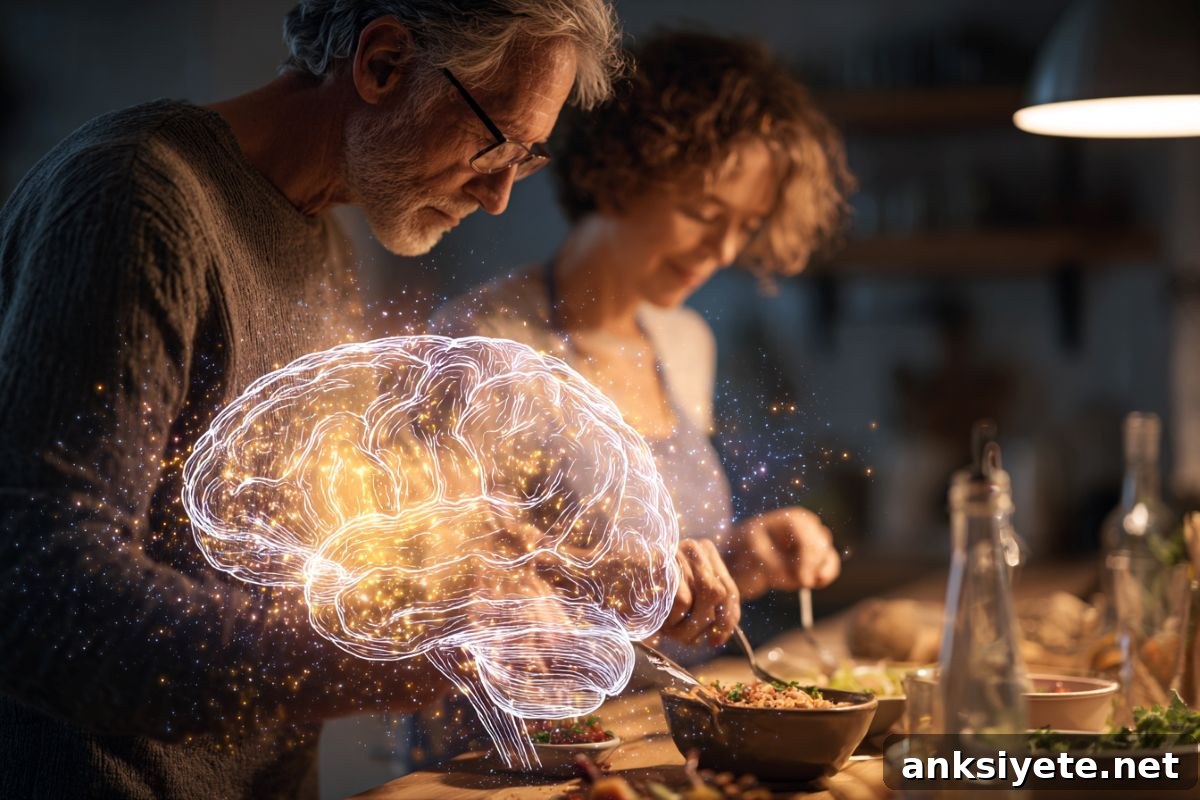
Summary: Strong emotional support in marriage may help lower obesity risk by changing how the brain and gut communicate. In a UCLA Health study, people in emotionally supportive marriages showed better control over food cravings, healthier gut metabolism related to tryptophan pathways, and higher blood levels of oxytocin—a hormone involved in bonding and appetite regulation.
These biological signatures were not observed in unmarried participants or in marriages characterized by low emotional support. The results point to relationship quality as a potentially powerful, often overlooked factor in long-term weight regulation and metabolic health.
Key Findings
- Brain control: Emotionally supportive marriages were associated with greater activity in frontal brain regions that regulate cravings and self-control.
- Gut metabolism: Strong support correlated with healthier tryptophan-related metabolites produced by the gut microbiome—compounds tied to serotonin synthesis, inflammation regulation, and energy balance.
- Oxytocin link: Higher oxytocin levels appeared to coordinate improved appetite control and beneficial gut metabolic profiles.
Source: UCLA
Overview
New research from UCLA Health suggests that high-quality social relationships—especially emotionally supportive marriages—can influence obesity risk by shaping a network of biological responses that connect the brain and the gut. Published in the journal Gut Microbes, the study is the first to map how social bonds may affect eating behavior and weight through integrated changes in brain activity, gut metabolites, and hormone signaling.
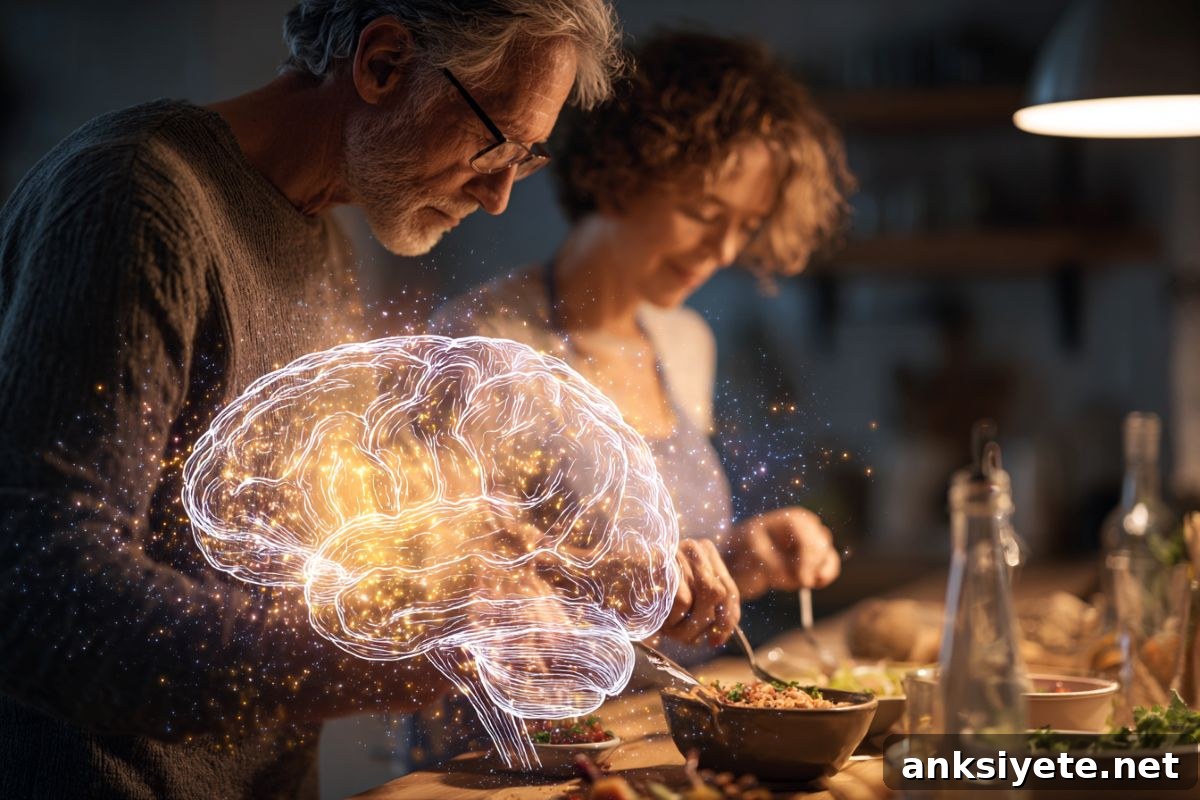
Lead author Dr. Arpana Church, a neuroscientist at UCLA Health, noted that social connections have long been linked with health outcomes. “Supportive relationships can increase survival rates by up to 50%,” she said. This study clarifies biological pathways through which relationship quality may become biologically embedded and influence weight-related outcomes.
The research involved nearly 100 adults from the Los Angeles area. Participants provided demographic and lifestyle information—marital status, perceived emotional support, current body mass index (BMI), diet quality, age, sex, race, and socioeconomic status. Researchers then collected brain imaging while participants viewed images of food, fecal samples for metabolite analysis, and blood plasma to measure oxytocin levels. Clinical and behavioral assessments included standardized measures of perceived emotional support and eating behavior.
The results showed that married participants who reported higher perceived emotional support tended to have lower BMI and fewer behaviors associated with food addiction compared with married participants reporting low emotional support. Functional brain imaging revealed that these supportive married individuals had greater activation in the dorsolateral prefrontal cortex when shown food cues—a region important for inhibiting cravings and exercising self-control.
Unmarried participants, whether they reported strong emotional support or not, did not display the same brain activation patterns. The researchers suggest this may reflect differences in the consistency and nature of social support available to unmarried individuals compared with those in long-term partnerships.
In addition to brain changes, perceived emotional support was linked to shifts in gut-derived metabolites. People with stronger support showed favorable changes in tryptophan pathway metabolites—small molecules produced by gut microbes that affect serotonin production, inflammation, immune function, and metabolic regulation. These metabolic changes align with improved mood, social behavior, and energy balance.
Oxytocin emerged as a central mediator in the observed network. Married participants with higher emotional support had elevated plasma oxytocin compared with unmarried participants. The team proposes that oxytocin may act as a biological messenger that simultaneously enhances neural circuits involved in self-control and promotes healthier gut metabolic profiles.
“Think of oxytocin as a conductor orchestrating a symphony between the brain and gut,” Church explained. “It appears to strengthen the brain’s capacity to resist food cravings while encouraging metabolic patterns in the gut that support healthy weight maintenance.”
The findings also nuance common assumptions about marriage and weight. The protective effects were most pronounced among married participants who actually reported high emotional support—suggesting that relationship quality, rather than marital status alone, matters for these biological pathways.
Church emphasized potential clinical implications: integrating strategies to build strong, supportive social relationships could complement traditional obesity prevention and treatment approaches focused on diet and exercise. “Social connections are not just emotionally fulfilling; they are biologically relevant to health,” she said.
The authors acknowledge limitations: the study was cross-sectional and therefore cannot prove causation, most participants were overweight or obese, and married participants skewed older. Church and colleagues recommend larger, more diverse, and longitudinal studies to confirm these results and to better characterize mechanisms linking social bonds, oxytocin, brain function, and gut metabolism.
Key Questions Answered:
A: High-quality emotional support appears to influence brain control of cravings, gut metabolism, and hormone signaling that regulate appetite and energy balance.
A: The pathway includes the prefrontal cortex, gut microbiome-derived metabolites (especially tryptophan-related compounds), and oxytocin signaling, all of which interact to influence eating behavior and metabolism.
A: Potentially. The findings suggest combining social support and relationship-building strategies with conventional diet and exercise interventions may improve prevention and treatment of obesity.
Editorial Notes:
- This article was edited by a Neuroscience News editor.
- The journal paper was reviewed in full by our editorial team.
- Additional context was provided by staff based on the published study.
About this neuroscience and microbiome research news
Author: Will Houston ([email protected])
Source: UCLA
Contact: Will Houston – UCLA
Image: Image credit: Neuroscience News
Original Research: Open access. “Social bonds and health: exploring the impact of social relations on oxytocin and brain–gut communication in shaping obesity” by Arpana Church et al., published in Gut Microbes.
Abstract
Social bonds and health: exploring the impact of social relations on oxytocin and brain–gut communication in shaping obesity
Social relationships play a crucial role in shaping health. To investigate mechanisms that link social support to obesity-related outcomes, researchers examined how perceived emotional support and marital status relate to BMI, eating behavior, brain responses to food cues, plasma oxytocin, and alterations in the brain–gut–microbiome system.
In 94 participants, brain responses to food stimuli, fecal metabolites, and plasma oxytocin levels were measured. Structural equation modeling explored integrated pathways connecting social factors with obesity-related biomarkers and behaviors.
Results indicate that marital status and perceived emotional support interact and independently influence lower BMI, healthier eating behaviors, increased oxytocin levels, greater frontal brain reactivity associated with craving inhibition and executive control, and beneficial tryptophan-pathway metabolites linked to inflammation regulation and energy homeostasis. These findings suggest that high-quality social bonds, particularly emotionally supportive marriages, may help regulate obesity risk through oxytocin-mediated effects on brain and gut systems.