Deepfake Medical Images Fool Even Expert Radiologists
featured 115679

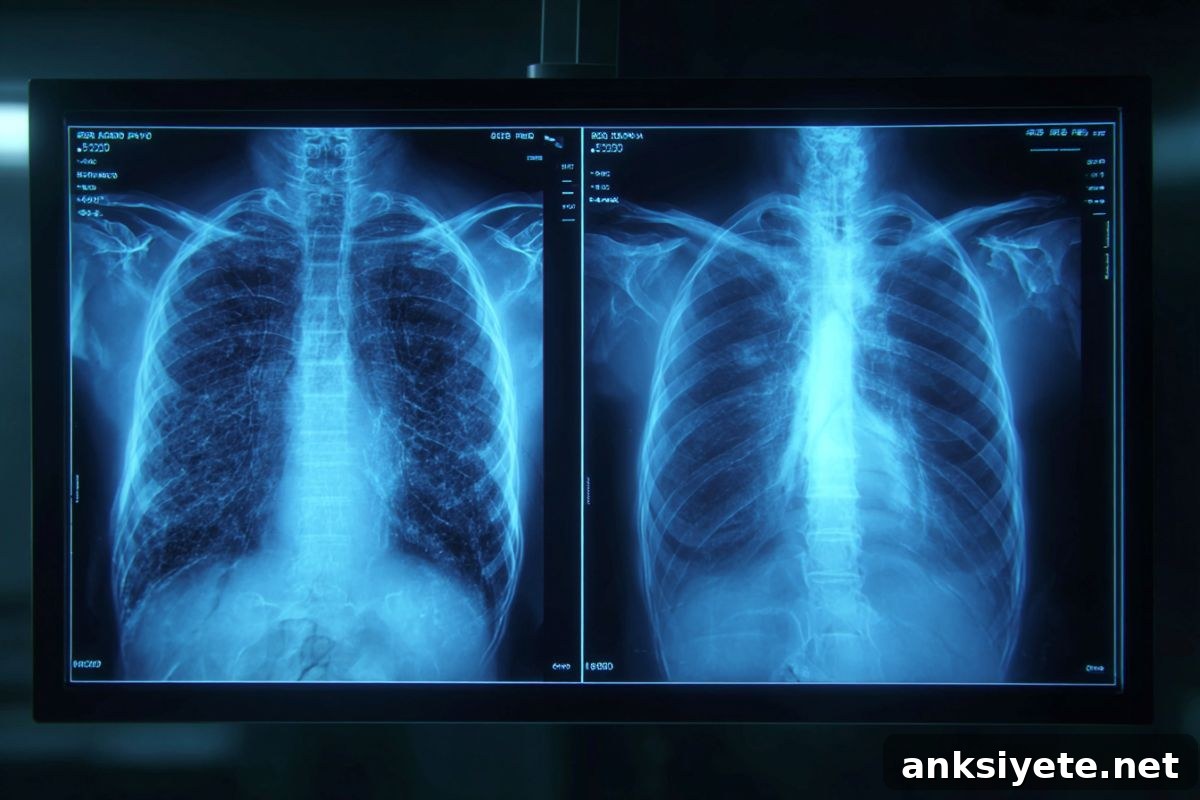
Summary: A multicenter international study shows that neither experienced radiologists nor advanced multimodal large language models (LLMs) can consistently tell AI-generated “deepfake” X-rays from real images. Seventeen radiologists across six countries were tested using synthetic radiographs produced by ChatGPT (GPT-4o) and RoentGen. Even when readers were alerted that synthetic images were included, average detection accuracy … Read more
Why Human Infants Are So Dependent

featured 115675

Summary: Researchers are reevaluating the long-standing view that human infant helplessness is merely a biological shortcoming. In a new paper, developmental psychologists propose that the unusual combination of advanced sensory systems (precocial) and immature motor abilities (altricial) in human newborns — a “sensory-motor gap” — plays a central role in shaping human nature. This mismatch … Read more

Can Spending Time in Nature Reduce Negative Emotions?

featured 115671

Summary: A comprehensive meta-analysis confirms that exposure to nature—whether real, virtual, or imagined—significantly lowers negative emotions and supports brain health. Researchers reviewed 33 studies with more than 2,100 participants to quantify the neurophysiological benefits of “green time.” Using neuroimaging tools such as EEG and fMRI alongside standardized psychological assessments, the review indicates that nature exposure … Read more

Depression and Gut Issues Predict Future PSP

featured 115667

Summary: Researchers analyzing UK Biobank data have identified medical and lifestyle factors that can appear up to a decade before a diagnosis of progressive supranuclear palsy (PSP). This rare neurodegenerative disorder, which affects balance, eye movement and cognition, is frequently misdiagnosed. Tracking more than 500,000 people over roughly 20 years, the team found that depression, … Read more

How COVID-19 Slowed Children’s Executive Function

featured 115655

Summary: A large longitudinal study finds that the COVID-19 pandemic substantially slowed the development of executive function (EF) in children aged 3 to 11. Executive function — the set of cognitive skills that govern attention, self-control, working memory, and goal-directed behavior — typically advances quickly during early childhood. The study shows a meaningful drop in … Read more

How Brain Networks Unravel Across the Lifespan

featured 115648

Summary: A new study shows that the brain’s aging pattern in humans is not unique: mice display strikingly similar changes in their brain networks as they grow older. Using high-resolution fMRI to scan awake mice across their lifespans, researchers found that both species experience a breakdown in modular specialization—the brain’s ability to maintain distinct, efficient … Read more

Multiple Sclerosis Rates Doubled in 20 Years: What’s Changed?

featured 115644

Summary: A major new analysis shows that recorded prevalence of multiple sclerosis (MS) in England more than doubled between 2000 and 2020. The study attributes a roughly 6% annual increase in recorded cases mainly to earlier and more accurate diagnosis and to substantial improvements in life expectancy for people living with MS. Researchers also uncovered … Read more

Mild Hypoxia Rewires Preterm Brain Without Direct Injury

featured 115636

Summary: New research reveals how brief, mild oxygen deprivation (hypoxia) experienced by some preterm infants can produce lasting deficits in learning and memory. Rather than causing obvious brain injury or killing neurons, this form of hypoxia subtly disrupts the maturation of specific protein channels that enable effective neuron-to-neuron communication in the hippocampus. These molecular changes … Read more

Overactive Brain Signals Increase Fall Risk in Older Adults

featured 115632

Summary: Aging and Parkinson’s disease force the brain into a higher level of engagement to preserve upright balance, but that extra neural effort does not yield stronger recoveries and may actually increase fall risk. Young adults recover from unexpected balance disturbances with a rapid, energy-efficient two-stage neural response. In contrast, older adults and people with … Read more

How Caffeine Restores Social Memory After Sleep Loss

featured 115627

Summary: Caffeine can reverse social memory impairment caused by short-term sleep deprivation by acting on a specific hippocampal pathway, the CA2 region. Social memory—the brain’s ability to recognize and distinguish familiar individuals—is selectively weakened after sleep loss, due to disrupted synaptic communication in a circuit critical for social recognition. The study shows caffeine blocks adenosine … Read more