
Understanding RNA biology in dendrites may inform neurological and psychiatric illness therapeutics.
Protein synthesis within the branching processes of neurons—dendrites—supports long-term memory formation and other critical brain functions. “Thousands of messenger RNAs are present in dendrites, yet how multiple dendritic mRNAs are translated into their final protein products across time and space remains largely unknown,” says James Eberwine, PhD, Professor of Pharmacology at the Perelman School of Medicine, University of Pennsylvania, and co-director of the Penn Genome Frontiers Institute.
Dendrites extend from the neuron’s cell body and form the primary sites for receiving signals from other neurons. At the synapse—the specialized junction where chemical communication occurs—dendrites detect electrical and chemical inputs carried by axons. Synapses are widely considered the loci of learning and memory, and changes in synapse structure and chemistry, known as synaptic plasticity, depend on rapid local protein production. Cells can achieve precise control over protein composition by regulating translation rates for different mRNAs, producing the correct amounts and ratios of proteins needed for synaptic modifications.
Understanding how proteins are produced locally at synapses is key to deciphering how memories form and persist. Yet the mechanisms that govern which mRNAs are translated within a neuron’s distant processes remain poorly defined. To probe these questions, Eberwine and colleagues developed methods to observe translation of multiple mRNAs simultaneously within living neurons.
Eberwine, first author Tae Kyung Kim, PhD, a postdoctoral researcher in the Eberwine laboratory, and co-authors including Jai Yoon Sul, PhD, Assistant Professor of Pharmacology, report their findings in Cell Reports. Their work reveals that translation of two dendritic mRNAs encoding glutamate receptors occurs with complex spatial and temporal dynamics, and that translation hotspots within dendrites influence whether multiple mRNAs are translated together or at different times.
At Home in the Hippocampus
“It isn’t always a single RNA that dominates a translational hotspot,” Eberwine explains. “While a dendrite may contain thousands of distinct mRNA types, there are far fewer active translation hotspots. Do various mRNAs ‘take turns’ at these sites, or do different RNAs translate simultaneously depending on hotspot identity? We needed to track more than one RNA at once to approach these real-world processes, and this is the first study to do that in live neurons.”
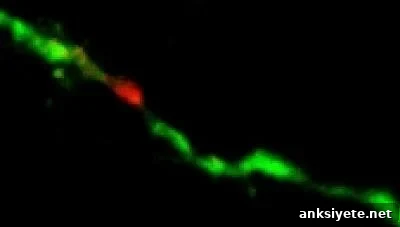
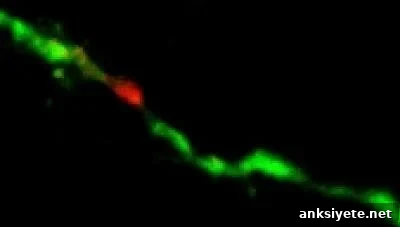
The team engineered glutamate receptor mRNAs to carry distinct fluorescent tags and a photo-switchable protein that marks when translation has occurred. In this system, translated protein initially fluoresces green; targeted illumination with a laser converts that green signal to red, marking previously synthesized protein at that site. Any new protein made afterward emits green fluorescence, and when new green overlaps with the converted red, the combined signal appears yellow. This approach allows precise monitoring of newly synthesized proteins in both space and time.
“This is the first time protein labeling has been used to quantify the translation of multiple proteins across space and time in living neurons,” says Eberwine. The method, which the authors describe as quantitative functional genomics of live-cell translation, shows that the physical location of a translation hotspot helps regulate whether several mRNAs are translated together, a factor that likely contributes to synaptic plasticity, notes Sul.
Laying the Groundwork
Nearly a decade ago, the Eberwine laboratory demonstrated that dendrites are capable of mRNA splicing, a process previously thought to be restricted to the cell nucleus. During splicing, noncoding introns are removed and coding exons are joined to generate mature mRNAs that can be translated into protein. Alternative splicing allows one gene to produce multiple protein variants by including or excluding different exons. Using sensitive technologies developed in their lab, the researchers detected and quantified RNA splicing and the resulting proteins within single, isolated dendrites.
Collectively, these findings underscore that dendritic RNA biology—including local splicing and regulated translation at defined hotspots—plays a central role in shaping protein composition at synapses. A clearer understanding of these local regulatory mechanisms could point to new therapeutic strategies for neurological and psychiatric disorders, since targeted manipulation of dendritic translation may modulate synaptic function and behavior.
Notes about this neuroscience, memory and learning research
Other co-authors on the study include Junhyong Kim, PhD (Penn School of Arts and Sciences), Henrik Helmfors, PhD, and Ulo Langel, PhD (Stockholm University).
The research was supported by the National Institute of Mental Health (R01-MH888949), the Swedish Research Council, the Ellison Foundation, and NARSAD (now the Brain and Behavior Research Foundation).
Contact: Karen Kreeger – University of Pennsylvania School of Medicine
Source: University of Pennsylvania School of Medicine press release
Image Source: Image credited to James Eberwine, PhD, Perelman School of Medicine, University of Pennsylvania, adapted from the University of Pennsylvania press release.
Original Research: Kim TK, Sul J-Y, Helmfors H, Langel U, Kim J, Eberwine JE. “Dendritic Glutamate Receptor mRNAs Show Contingent Local Hotspot-Dependent Translational Dynamics.” Cell Reports. Published online September 26, 2013. DOI: 10.1016/j.celrep.2013.08.029.