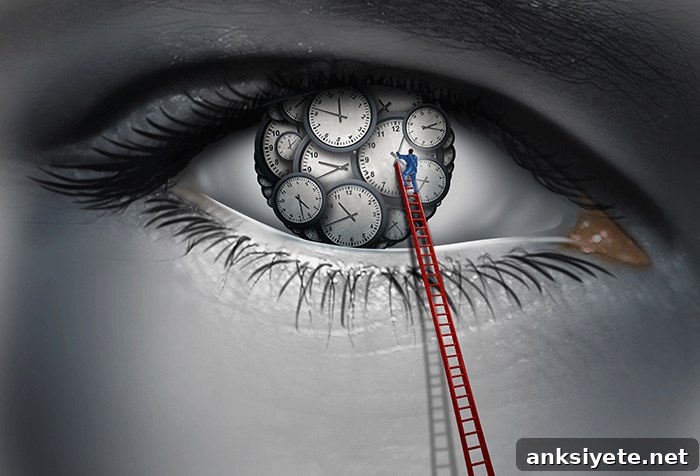
Inside the Circadian Rhythm: How Your Biological Clock Works
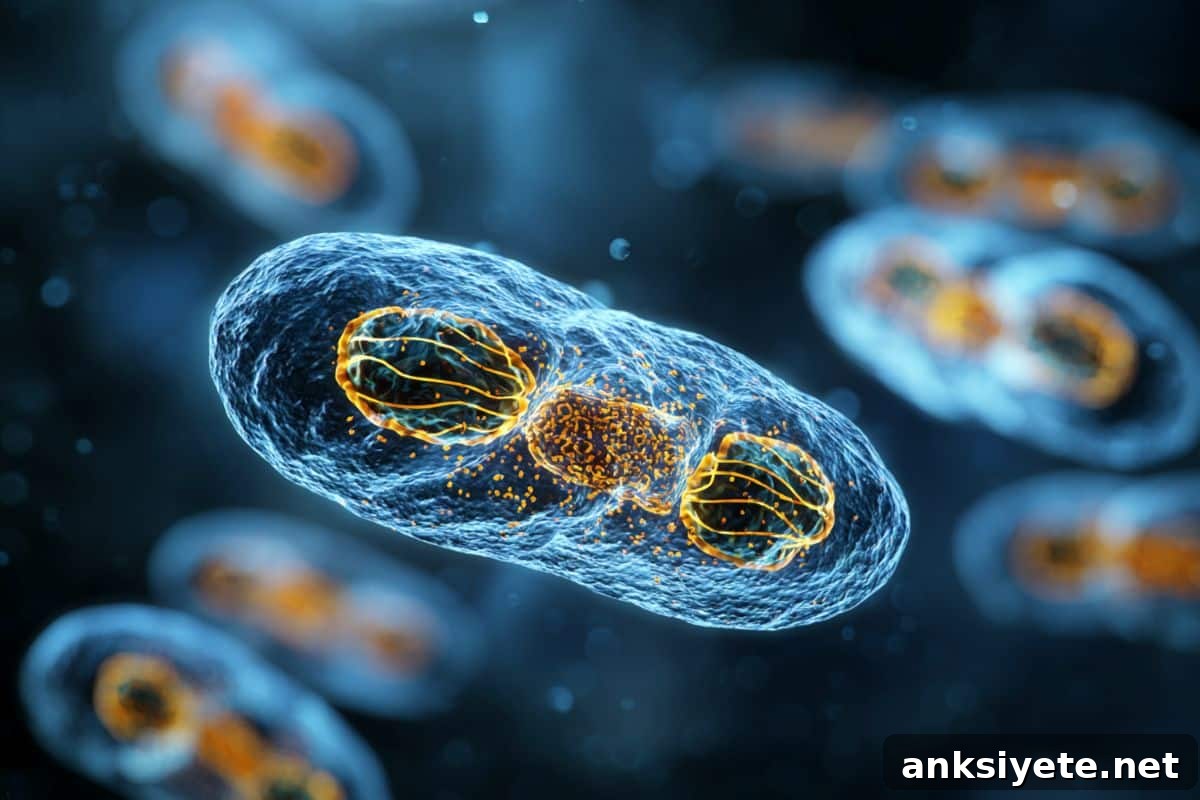
Summary: A new structural study reveals how core clock proteins assemble into molecular machines that drive the circadian oscillator and sheds light…
Topic
Topics
Summary: A new structural study reveals how core clock proteins assemble into molecular machines that drive the circadian oscillator and sheds light…
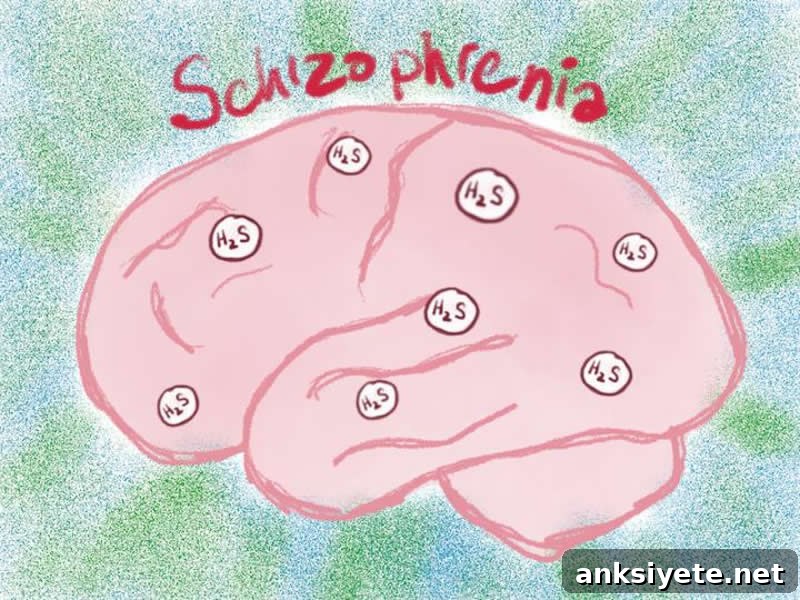
Summary: Research using mouse models, human postmortem brain tissue, and clinical samples suggests that a distinct subtype of schizophrenia is associated with…
New MRI research from UC Davis shows that vigorous exercise rapidly increases two key brain neurotransmitters — glutamate and gamma-aminobutyric acid (GABA)…
Summary: A study from Rush University reports that feeding cinnamon to mice with poor learning ability improved their memory and learning performance.…
Cancer-related cognitive impairment, often called “chemobrain,” may be more pronounced after anthracycline-based chemotherapy than after nonanthracycline regimens, affecting specific memory functions and…
Summary: Higher gestational concentrations of phthalate metabolites were linked to increased autistic traits in boys but not in girls. Adequate folic acid…
Aging commonly brings declines in brain function, including slower information processing and reduced memory. However, research shows that higher cardiorespiratory fitness in…
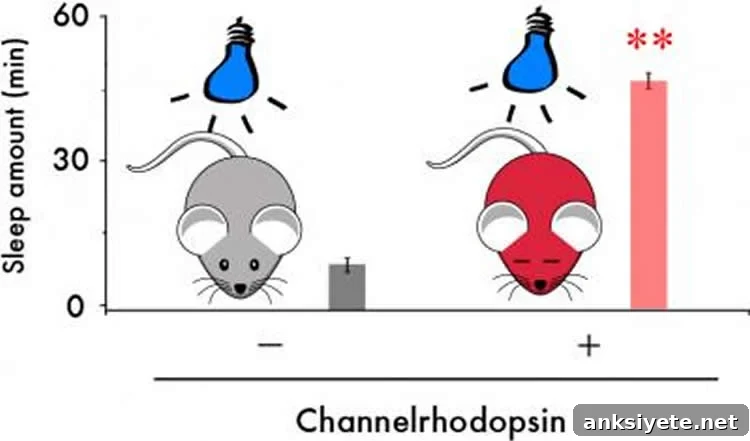
Summary: Researchers report that the nucleus accumbens — a brain area typically linked to reward and motivation — can also trigger slow-wave…
Summary: Researchers report that people living in colder regions with fewer daylight hours tend to consume more alcohol than those in warmer,…
Summary: A new longitudinal study finds that persistent (chronic) and newly developed (new-onset) anxiety are each linked to a substantially higher risk…
Readers are exploring