3D Zebrafish Simulations Could Reduce Animal Use in Research
Summary: A new 3D platform that simulates zebrafish behavior opens new avenues for research while reducing reliance on live animals. Source: NYU…
Topic
Topics
Summary: A new 3D platform that simulates zebrafish behavior opens new avenues for research while reducing reliance on live animals. Source: NYU…
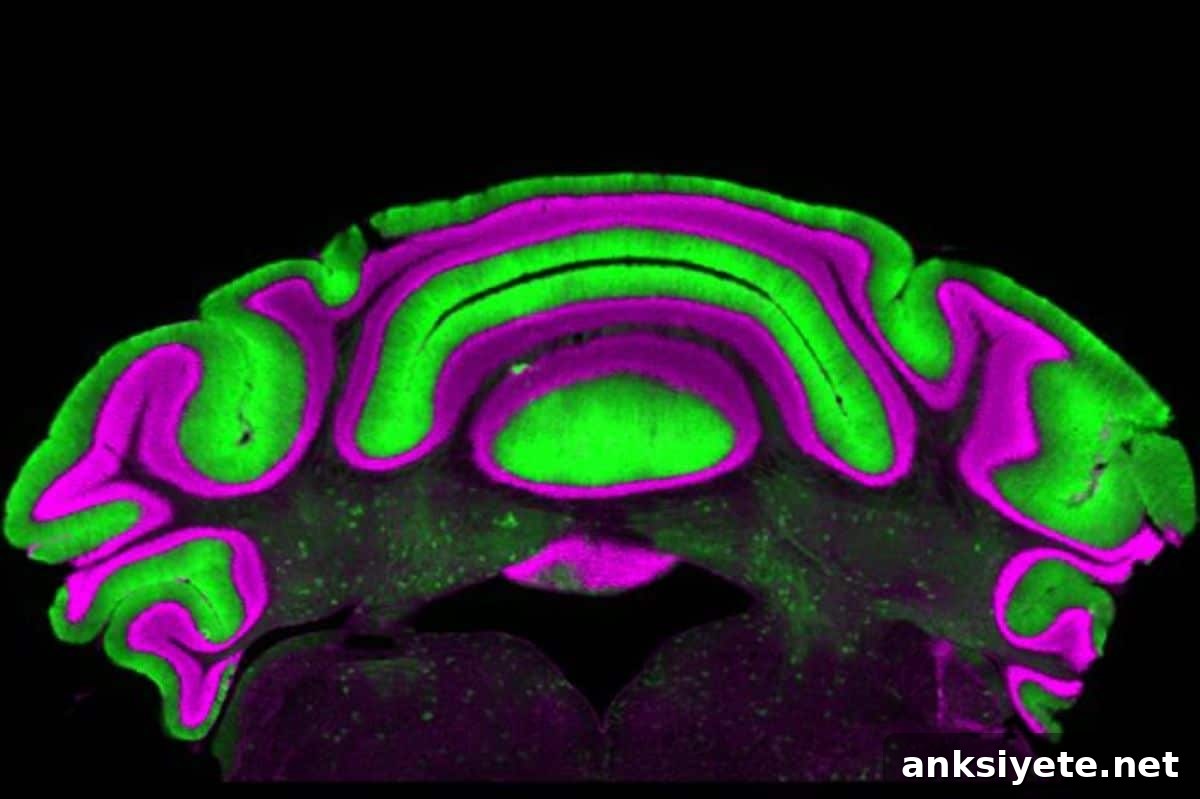
Summary: A new study challenges a long-standing assumption in cerebellar neuroscience and movement disorder research. It shows that steady-state firing of Purkinje…
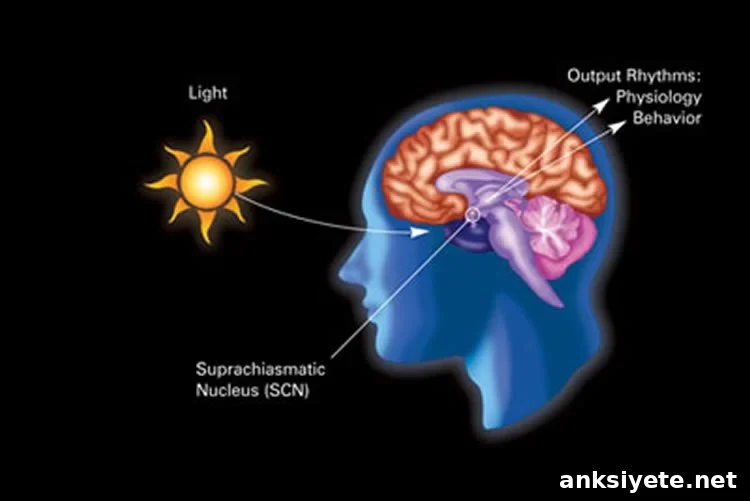
Summary: New findings clarify how the circadian clock influences a basic physiological drive. Source: McGill University Health Center. Discovery may point to…
Summary: Researchers have, for the first time, mapped the molecular structure of glutamate receptors in the cerebellum using cryo-electron microscopy. These receptors…
Summary: Despite repeated public-health warnings, many people continue to ignore social-distancing guidance during the COVID-19 pandemic. Influential figures sometimes downplay the virus’s…
Summary: Researchers have identified three genes whose altered protein expression in the brain appears linked to multiple sclerosis and may point to…
Summary: New research indicates that a toxic build-up of urea in the brain can cause damage that may lead to dementia, with…
Summary: Elevated levels of ghrelin, the stomach-derived hunger hormone, are associated with a stronger preference for smaller, immediate monetary rewards over larger,…
Summary: With Halloween approaching, researchers examine why many people seek out fear and find enjoyment in being scared. Source: The Conversation. John…
Summary: Children raised in multilingual households—whether autistic or not—tend to show stronger executive function skills such as inhibition, cognitive flexibility, and perspective-taking…
Readers are exploring