
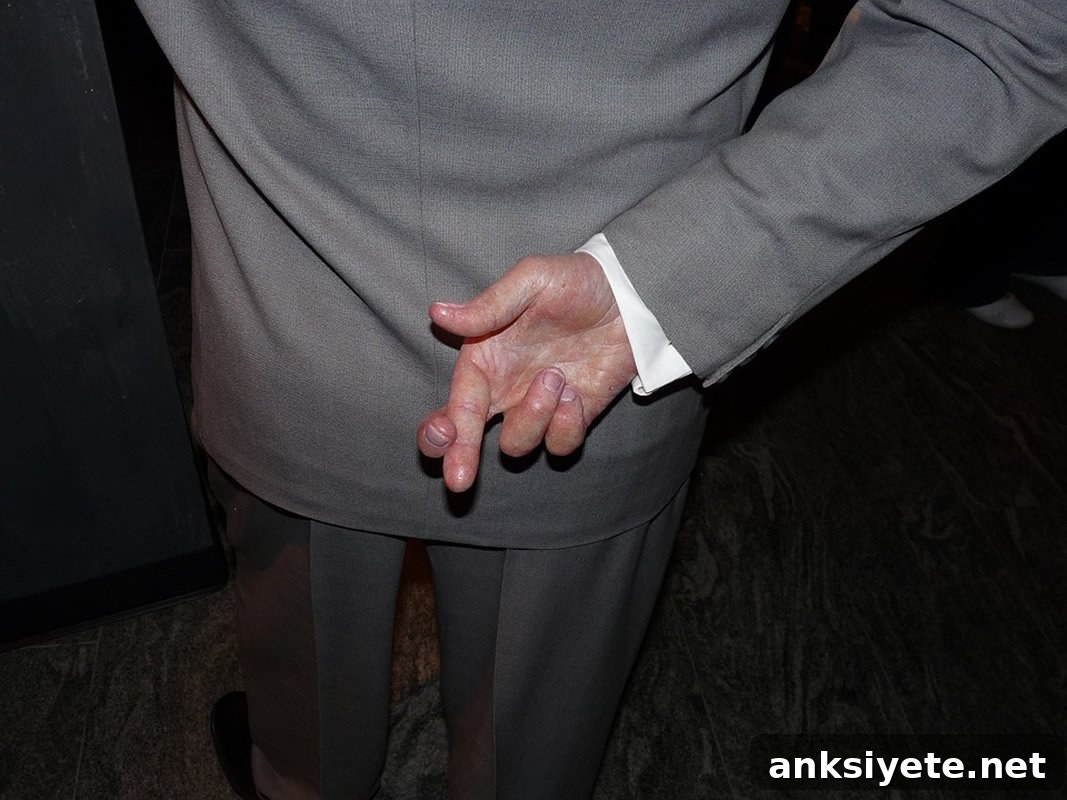
Summary: New research shows that people often perceive those who lie as more competent for certain high-pressure, sales-focused professions—such as investment banking, advertising, and sales—explaining why deceptive individuals may be disproportionately hired into those roles.
Source: University of Chicago Booth School of Business
We claim to dislike liars, yet in contexts that prioritize aggressive selling, deception can be seen as an advantage.
Research from the University of Chicago Booth School of Business examines how occupational stereotypes shape reactions to deception. The paper, “Deception as Competence: The Effect of Occupational Stereotypes on the Perception and Proliferation of Deception,” by Emma Levine and Brian Gunia, finds that people sometimes view the ability to deceive as a signal of competence for jobs that rely heavily on persuasive, high-pressure selling.
The authors note that while deception in the form of fraud, embezzlement, and corruption imposes large economic and ethical costs, hiring practices that favor deceptive behavior can increase organizational risk. Their studies investigate why deception persists in certain fields by showing how stereotypes about job roles influence perceptions of deceivers’ suitability.
Across six experiments with a combined sample of over 1,500 participants, researchers first classified occupations by their perceived “selling orientation” — that is, how much a job is stereotypically associated with persuading others to make immediate purchases. From an initial set of 32 jobs, they identified three occupations widely seen as high in selling orientation (sales, investment banking, and advertising) and three viewed as low in selling orientation (consulting, nonprofit management, and accounting).
Participants observed scenarios in which individuals either lied or acted honestly—for example, by misstating expenses after a business trip or behaving truthfully during a laboratory economic game. After observing the behavior, participants rated how successful or competent those individuals would be in occupations with high or low selling orientation. In some studies, participants were also given the opportunity to hire the individuals for specific jobs, sometimes with their own money at stake.
Key findings show that observers expected liars to be more successful in occupations stereotyped as selling-oriented than in occupations perceived as non-selling. Participants judged deceptive individuals as more likely than honest ones to thrive in roles such as investment banking, advertising, and sales. When asked to make hiring decisions, many participants preferred deceivers for selling-oriented tasks—even when those decisions affected their own financial outcomes.
“We found that people don’t always disapprove of liars,” Levine explains. “Instead, they think liars are likely to be successful in certain occupations—those that do a lot of high-pressure selling.”
The study appears in the journal Organizational Behavior and Human Decision Processes. The authors argue that these perceptions help explain why deception remains common in certain industries: if managers and other decision-makers associate deception with selling effectiveness, they may be more inclined to hire and reward deceptive employees.
This pattern is especially concerning because occupations that reward high-pressure selling—such as investment banking and advertising—are often highly paid and carry status. If deception becomes an informal criterion for hiring or advancement in these fields, organizations risk normalizing unethical behavior.
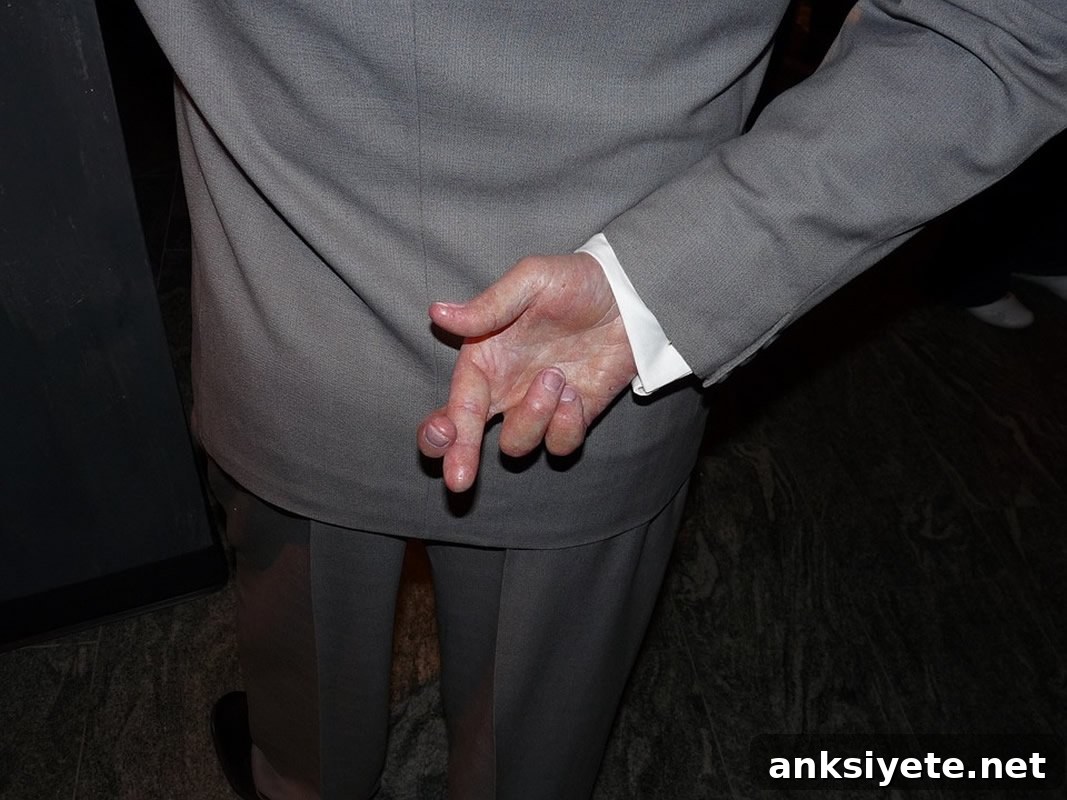
To reduce the appeal of deceptive candidates, the researchers recommend that organizations avoid framing roles as requiring high-pressure sales tactics. Instead, leaders should emphasize a customer-oriented selling approach focused on long-term client interests and ethical service. Shifting job descriptions and performance criteria toward trustworthiness and client welfare can weaken the stereotype that deception equals competence and lower the chance that hiring managers will favor deceivers.
“Armed with the knowledge that deception is perceived to signal competence in high-pressure sales occupations,” the authors conclude, “companies may want to explicitly deem deception as incompetent.” Making organizational standards and hiring criteria explicit—highlighting honesty, client focus, and ethical decision-making—can help reduce the proliferation of deceptive practices.
Source:
University of Chicago Booth School of Business
Media Contact:
Sandra Jones – University of Chicago Booth School of Business
Image:
The image used in this article is in the public domain.
Original research: Closed access. “Deception as Competence: The Effect of Occupational Stereotypes on the Perception and Proliferation of Deception” by Brian C. Gunia and Emma E. Levine. Published in Organizational Behavior and Human Decision Processes. DOI: 10.1016/j.obhdp.2019.02.003
Abstract
The research shows that deception is common but often condemned. Integrating theories of selling, stereotypes, and negotiation, this work documents that people do not always disapprove of deceivers. Instead, observers may regard deceivers as competent in occupations where a selling orientation is stereotypically central. Across six studies (two preregistered) with a total N of 1,584 participants, the authors demonstrate that deception signals an ability to engage in selling-oriented behavior and thus conveys perceived competence for high-selling-orientation occupations. The perception can lead to the hiring of deceptive individuals, suggesting occupation-specific reactions to deception and highlighting potential interventions.