
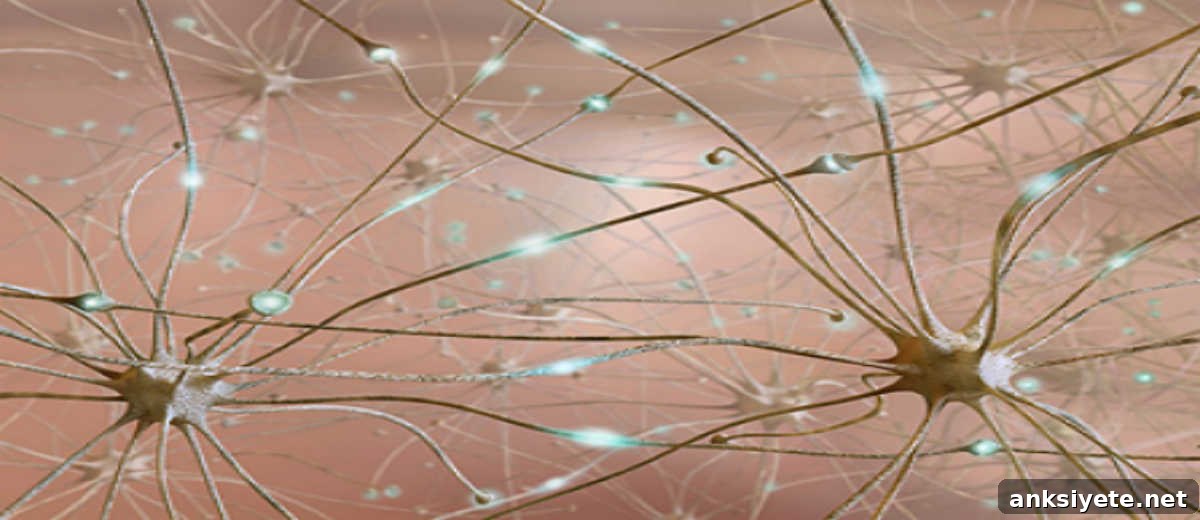
Results suggest it may be possible to use gene therapy in the brain to treat substance abuse, neurological diseases and mental illnesses.
Scientists at the University at Buffalo have demonstrated that they can alter alcohol-drinking behavior in rodents by using optogenetics, an experimental method that employs light to activate specific neurons. Their findings point to new directions for treating alcoholism and other addictions, and they improve our understanding of the neural chemistry that drives addictive behaviors.
The study, published in Frontiers in Neuroscience, provides the first direct evidence that controlled dopamine release in the brain can causally influence alcohol consumption in animals. This type of research—mapping the neuronal circuits that underlie specific behaviors—is a focus of large-scale neuroscience initiatives aimed at understanding brain function and dysfunction.
In the experiments, rats were trained to drink in a pattern that models human binge drinking. The researchers then used optogenetic stimulation to modify activity in dopamine-producing neurons that are part of the brain’s reward circuitry. By stimulating those neurons in a carefully timed pattern that produced a low but sustained increase in dopamine levels (a tonic pattern), the team was able to stop the animals from bingeing. As lead author Caroline E. Bass, PhD, explains, the rats “just flat out stopped drinking” under that stimulation pattern.
Remarkably, the animals continued to avoid alcohol even after stimulation ended, suggesting that modifying activity in specific circuits can produce lasting changes in behavior. This result helps answer longstanding questions about whether brain activity observed in addicted individuals is merely a correlate of drug use or a driver of compulsive behavior.
Optogenetics differs from traditional electrical stimulation because it can target a single neuronal population without activating neighboring cell types. Electrical stimulation affects all nearby neurons indiscriminately, but optogenetics relies on introducing a light-sensitive protein into select cells and then using light to activate only those cells. In this study, Bass and colleagues used viral vectors to deliver a gene that encodes a light-responsive protein exclusively to dopaminergic neurons, enabling precise control of that population.
The pathways manipulated in this work are relevant to a variety of disorders in which dopamine signaling is implicated. Because the technique allows gene delivery specifically to dopamine neurons, it opens up the possibility of developing targeted gene therapies for conditions such as Parkinson’s disease—where the nigrostriatal dopamine pathway degenerates—as well as for certain psychiatric illnesses that involve dysfunction of dopamine circuits.
Bass notes that the same general approach—infusing an engineered viral vector into a defined brain region to express therapeutic genes in a chosen neuronal population—could be adapted to other targets and disorders. By delivering genes that modify neuronal function only in affected cell types and regions, researchers could potentially reduce side effects and achieve more precise therapeutic outcomes than with systemic medications.
Notes about this neurogenetics and optogenetics research
The study’s co-authors include Evgeny Budygin, Valentina P. Grinevich, Dominic Gioia, Jonathan D. Day-Brown, Keith D. Bonin and Jeff Weiner of Wake Forest Baptist Medical Center, and Garret D. Stuber of the University of North Carolina Neuroscience Center. The research was funded by the National Institutes of Health.
Written by Ellen Goldbaum
Contact: Ellen Goldbaum – University at Buffalo
Source: University at Buffalo press release
Image Source: Image adapted from the University at Buffalo press release
Original Research: Optogenetic stimulation of VTA dopamine neurons reveals that tonic but not phasic patterns of dopamine transmission reduce ethanol self-administration by Caroline E. Bass, Valentina P. Grinevich, Dominic Gioia, Jonathan D. Day-Brown, Keith D. Bonin, Garret D. Stuber, Jeff L. Weiner and Evgeny A. Budygin. Frontiers in Neuroscience. Published online November 26, 2013. doi:10.3389/fnbeh.2013.00173