
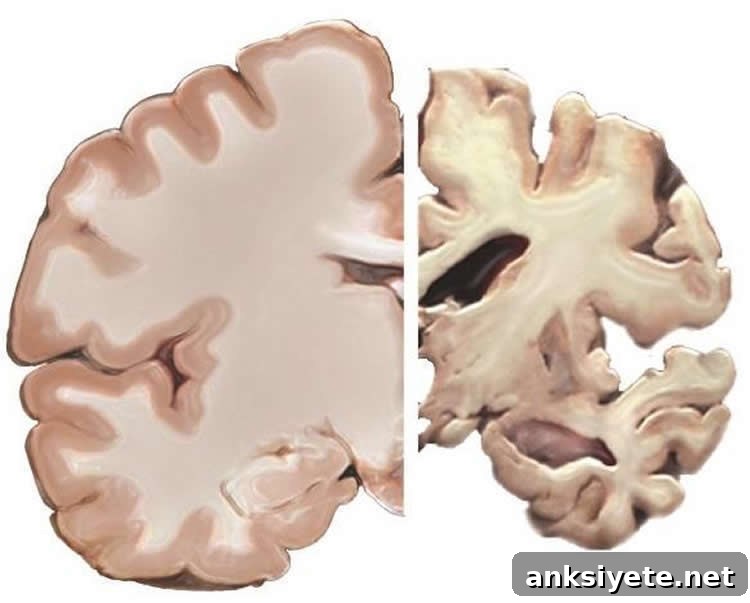
Summary: New research identifies tiny exosomes as a major route for the neuron-to-neuron spread of toxic amyloid‑beta oligomers, a process that promotes cell death and may drive Alzheimer’s disease progression. These findings point to exosomes as promising targets for improved diagnosis and treatment.
Source: Springer.
Researchers have identified small extracellular vesicles called exosomes as a principal conduit for the spread of toxic amyloid‑beta oligomers throughout the brain, a process that may underlie the progressive pathology of Alzheimer’s disease. The study, led by Maitrayee Sardar Sinha and Anna Ansell‑Schultz from Linköping University, Sweden, appears in the journal Acta Neuropathologica and suggests new diagnostic and therapeutic directions for this neurodegenerative disorder characterized by dementia, memory loss, mood changes and disorientation.
Previous work has established that Alzheimer’s disease involves the abnormal accumulation of two key proteins: amyloid‑beta (Aβ) and tau. Oligomeric forms of Aβ—small aggregated intermediates—are increasingly implicated in neuronal toxicity and the spread of pathology between brain cells. The current study, conducted by a team including Martin Hallbeck and colleagues, specifically examined whether exosomes contribute to the movement and accumulation of these toxic oligomers.
Exosomes are nanoscale vesicles released from cells into the extracellular space. Measuring roughly 20–120 nanometers in diameter—comparable in size to some viruses—exosomes carry molecular cargo such as proteins, lipids and nucleic acids. They participate in intercellular communication under normal physiological conditions, but they may also transport pathogenic molecules in disease states.
The investigators analyzed post‑mortem brain tissue from ten donors, five of whom had clinically and pathologically confirmed Alzheimer’s disease. All tissue samples were obtained from a brain bank in Uppsala, Sweden. Using a combination of advanced microscopy and cytometric techniques, the team isolated exosomes and characterized their molecular contents and interactions with neurons.
Exosomes purified from Alzheimer’s disease brains contained elevated levels of oligomeric Aβ compared with exosomes from non‑diseased brains. The study found a clear co‑localization of intracellular oligomeric Aβ and extracellular exosomes in affected tissue, indicating a close association between the two. Functional experiments showed that exosomes support neuron‑to‑neuron transfer of oligomeric Aβ: when exosomes carrying these oligomers were applied to cultured neurons, they were taken up by recipient cells and propagated their toxic cargo to neighboring neurons. In some instances, intact exosomes were transferred onward between cells, consistent with prior observations of sequential exosome passage.
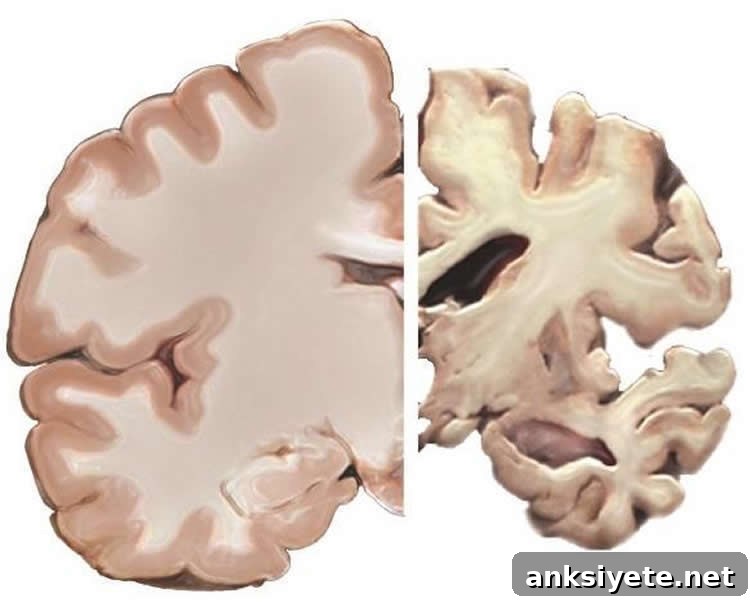
Blocking exosome formation, release or uptake in experimental systems reduced both the spread of oligomeric Aβ and the associated neuronal toxicity. These results support the conclusion that exosomes are not merely bystanders but active mediators of pathological Aβ propagation. As a result, researchers propose that targeting exosome biology could limit the spread of toxic protein assemblies and slow disease progression.
Because neuronal exosomes are released into accessible body fluids such as blood and cerebrospinal fluid, measuring their molecular cargo provides a potential route for minimally invasive biomarkers. The study’s authors suggest that quantifying oligomeric Aβ levels in exosomes isolated from patient biofluids could serve as a diagnostic indicator of Alzheimer’s pathology. Anna Ansell‑Schultz describes the molecular composition of exosomes as a “fingerprint” that reflects the state of the releasing cell, offering a window into disease processes.
Taken together, these findings highlight exosomes as central players in Alzheimer’s disease pathology propagation and position them as attractive targets for both diagnostic development and therapeutic intervention. Future research will need to refine methods for isolating disease‑specific exosomes from patient samples, validate oligomeric Aβ as a clinical biomarker, and explore strategies to safely modulate exosome production or uptake in the human brain.
Source: Elizabeth Hawkins – Springer
Publisher: Neuroscience News (summary organized by Neuroscience News).
Image Source: NeuroscienceNews.com image is in the public domain.
Original Research: Open access research article titled “Alzheimer’s disease pathology propagation by exosomes containing toxic amyloid‑beta oligomers” by Maitrayee Sardar Sinha, Anna Ansell‑Schultz, Livia Civitelli, Camilla Hildesjö, Max Larsson, Lars Lannfelt, Martin Ingelsson and Martin Hallbeck in Acta Neuropathologica, published June 13, 2018.
DOI: 10.1007/s00401-018-1868-1
Abstract
Alzheimer’s disease pathology propagation by exosomes containing toxic amyloid‑beta oligomers
The progressive loss of cognitive function in Alzheimer’s disease parallels a spreading pattern of amyloid‑beta and tau pathology in the brain. Recent evidence suggests that toxic amyloid‑beta oligomers can propagate in a prion‑like manner, but the mechanisms driving this spread are not fully understood. This study demonstrates that small extracellular vesicles (exosomes) isolated from brains of Alzheimer’s disease patients carry increased levels of amyloid‑beta oligomers and can mediate neuron‑to‑neuron transfer of these toxic species in cultured neurons. Interfering with exosome biogenesis, secretion or uptake reduced both oligomer propagation and related neuronal toxicity. Collectively, these results indicate that exosomes play a central role in Alzheimer’s disease pathology and represent potential targets for new diagnostic and therapeutic approaches.