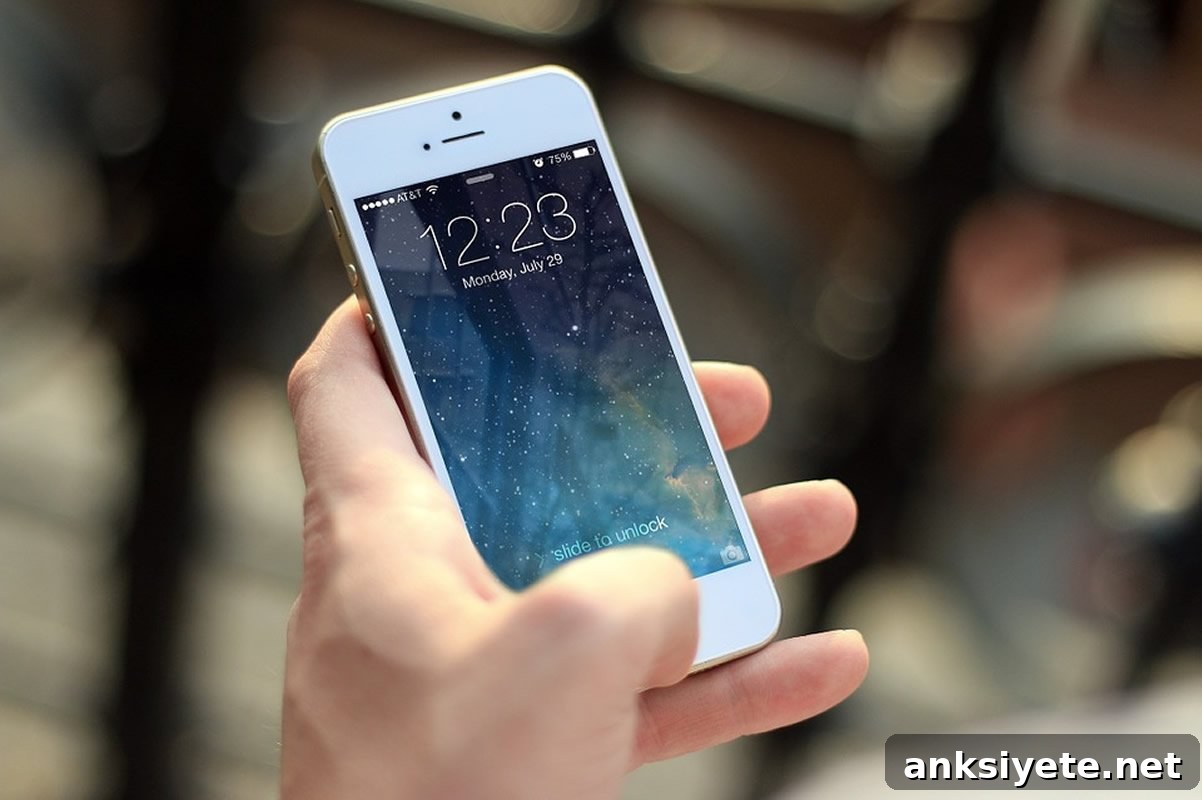
Summary: New research indicates that using a cell phone during short breaks from mentally demanding tasks is more cognitively taxing than previously understood. Phone-based breaks do not restore focus or mental energy as effectively as breaks involving paper or larger computer screens, especially when people are already stressed or need true mental rest.
Source: Rutgers
Key finding: Using a cellphone for a break during a challenging cognitive task does not allow the brain to recharge effectively and can lead to worse performance afterward, according to researchers at Rutgers.
In an experiment reported in the Journal of Behavioral Addictions, researchers assigned college undergraduates to solve multiple sets of word puzzles. Halfway through the task, some participants were given a short break that required choosing three items to purchase within a budget and writing or typing their reasons for those choices. The break activity was completed either on a cellphone, on a computer, or on paper. A fourth group continued with no break.
The participants who used their cellphones during the break showed the greatest signs of mental depletion and were among the least effective at solving the puzzles after the break. Their speed and efficiency after the break were similar to those who took no break at all. Although they solved slightly more puzzles than the no-break group, their performance was worse than participants who used paper or a computer for the break.
Quantitatively, those who took a phone break took 19% longer to complete the remainder of the task and solved 22% fewer problems than participants in the other break conditions combined. The study involved 414 participants who each completed sets of 20 anagrams or word puzzles.
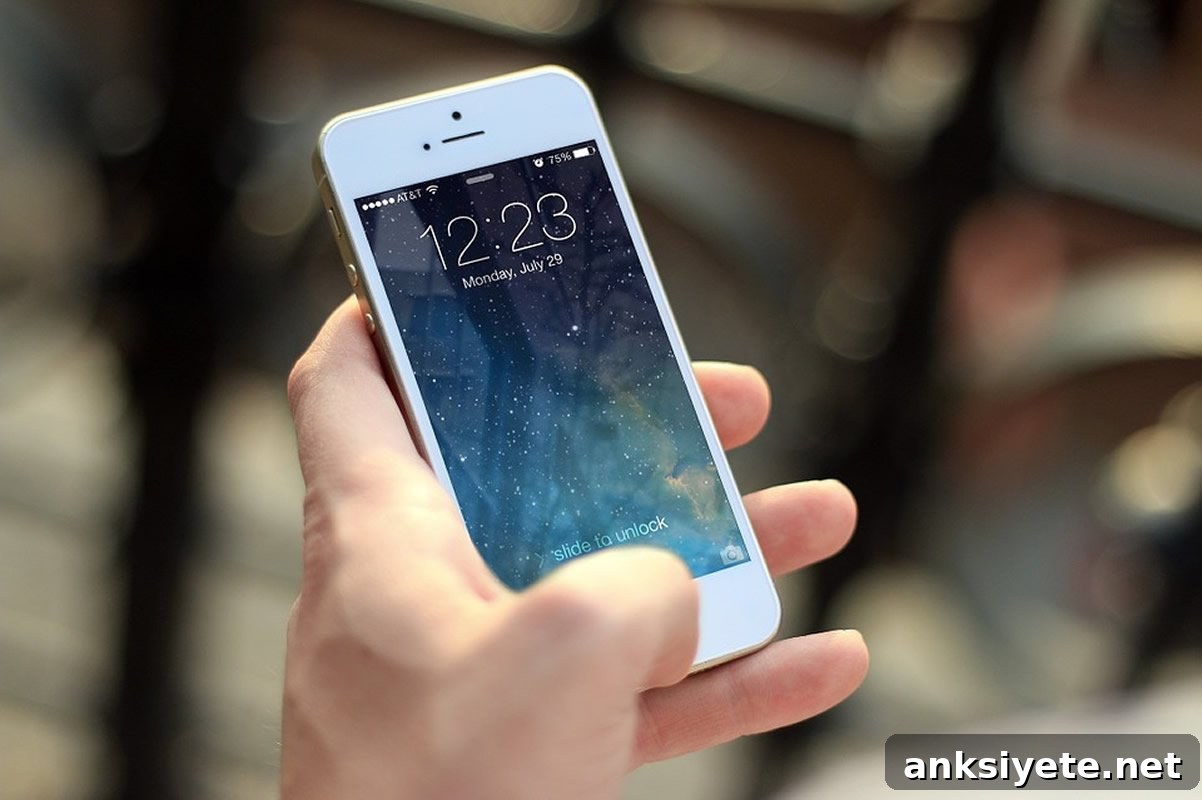
“The act of reaching for your phone between tasks, or mid-task, is becoming more commonplace,” said Terri Kurtzberg, co-author and associate professor of management and global business at Rutgers Business School. “It is important to understand the costs associated with turning to this device during every spare minute. We often assume a phone break is the same as any other pause, but phones carry unique distractions that make it harder to return focused attention to work.”
Kurtzberg and co-author Sanghoon Kang (a Rutgers Business School doctoral candidate) suggest that even seeing or handling a phone may trigger thoughts about checking messages, connecting with others, or accessing an endless stream of information. These reflexive impulses differ from typical interactions with larger screens or with paper, and they may undermine the restorative value of a break.
Study details: participants were given two halves of a cognitively demanding task involving anagrams. In three of the four randomly assigned conditions, participants paused halfway to complete a simple, structured shopping-selection activity. They were instructed to select three items within a budget and to record their reasons—either by typing or writing—using the device assigned for that break: cell phone, computer, or paper. The fourth group continued without any break.
Results show that breaks taken on paper or on a computer screen provided more effective recovery: participants in those groups returned to the second half of the task with better speed and higher accuracy than those who used a cell phone. In contrast, phone users displayed post-break performance similar to the no-break group, indicating that the phone did not restore cognitive resources as a break should.
Implications: As smartphone use becomes habitual, it is important for students, professionals, and anyone engaged in mentally demanding work to consider how they spend short breaks. Choosing a phone for quick downtime may feel convenient, yet the evidence suggests it impedes recovery of attention and task performance. For more effective mental rest, breaks that reduce reflexive social or informational cues—such as reading on paper, taking a short walk without a phone, or switching to a larger, task-oriented screen—may be preferable.
Source:
Rutgers
Media Contacts:
Megan Schumann – Rutgers
Image Source:
The image is in the public domain.
Original research:
Open access. Title: “Reach for your cell phone at your own risk: The cognitive costs of media choice for breaks.” Authors: Kang Sanghoon, Kurtzberg Terri R. Journal of Behavioral Addictions. DOI: 10.1556/2006.8.2019.21
Abstract summary:
This randomized experimental study of 414 participants examined how different media choices for short breaks—cell phone, larger computer screen, or paper—affect cognitive recovery and subsequent task performance. The findings indicate that phone-based breaks are less effective at restoring speed and accuracy, leading to slower completion times and fewer correct solutions in the second half of a demanding cognitive task.