
Summary: Researchers have identified two previously unreported regions in the mouse brain where the C9orf72 gene—implicated in Amyotrophic Lateral Sclerosis (ALS) and Frontotemporal Dementia (FTD)—is strongly expressed.
Source: University of Bath
University of Bath scientists identify two mouse brain regions with strong C9orf72 expression
Researchers at the University of Bath have discovered new sites of expression for C9orf72, a gene linked to both Motor Neurone Disease (also known as Amyotrophic Lateral Sclerosis, ALS) and Frontotemporal Dementia (FTD). Their work maps where the gene is active in the developing and adult mouse central nervous system, providing important context for animal models used to study these neurodegenerative conditions.
Mutations in C9orf72—most notably an abnormal expansion of a hexanucleotide repeat—are one of the most common genetic causes of ALS and some forms of FTD. Those repeat expansions are associated with neuronal degeneration, but the normal cellular roles and precise distribution of C9orf72 protein in the nervous system remain incompletely understood. This study aims to clarify where the gene is expressed and how its cellular localization changes during development.
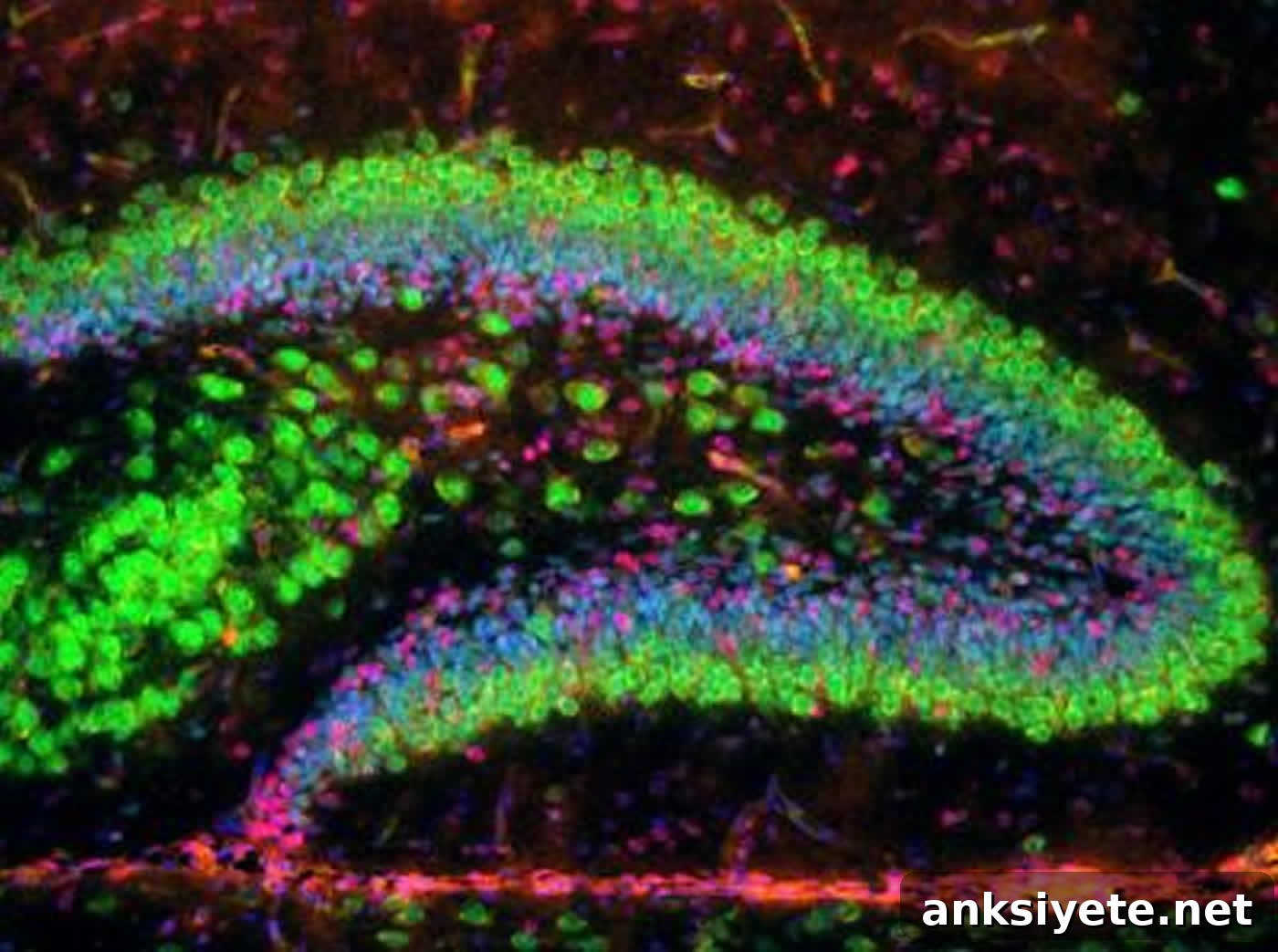
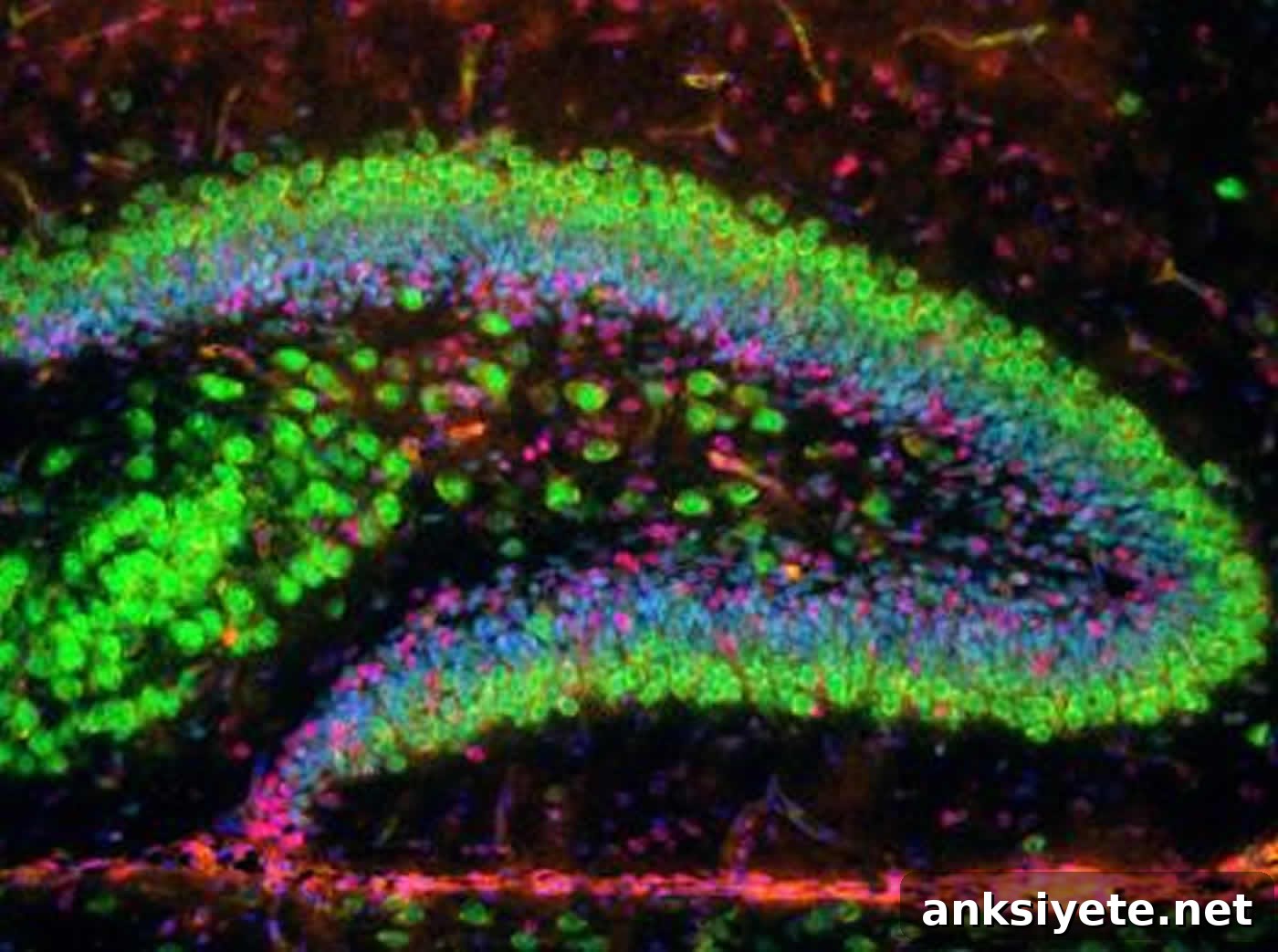
The team reports two novel strong expression sites: the hippocampus, a brain region critical for memory formation and one of the areas that retains adult neural stem cells, and the olfactory bulb, which processes the sense of smell. The olfactory findings are notable because loss of smell is sometimes observed in FTD. In addition to these newly identified sites, the study confirms robust C9orf72 expression in the cerebellum and motor cortex, aligning with previous reports.
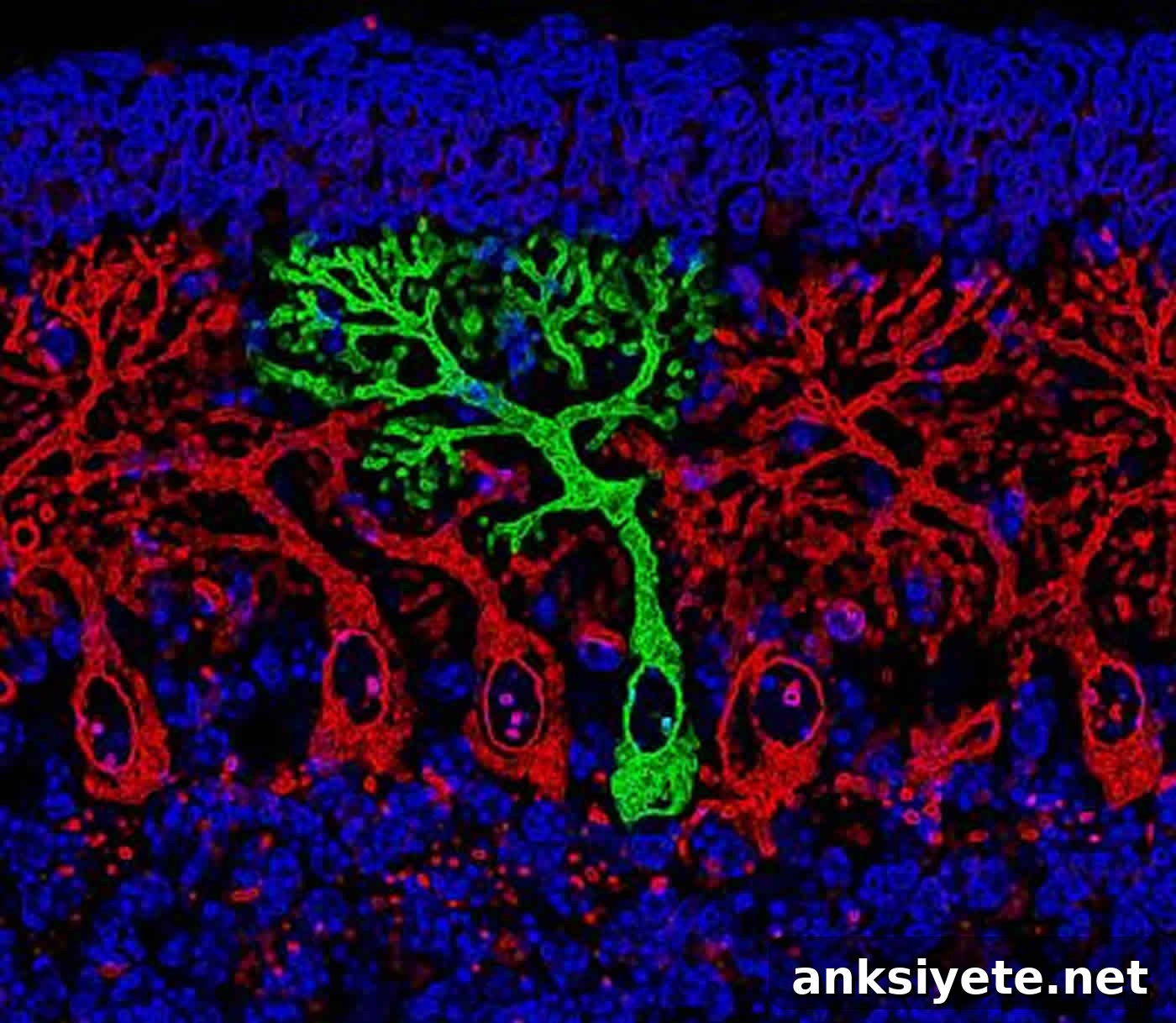
The study, led by Dr. Vasanta Subramanian with team members Ross Ferguson and Eleni Serafeimidou-Pouliou, systematically mapped C9orf72 protein distribution in embryonic, postnatal and adult mouse brain and spinal cord. They also examined the gene during neuronal differentiation using the P19 embryonal carcinoma cell model, which differentiates into neurons including motor neuron-like cells. Their observations reveal that C9orf72 expression levels change over time and across brain regions, underlining the gene’s dynamic regulation during central nervous system development and maturation.
One of the notable cellular findings is a developmental shift in C9orf72 localization. In early stages, the protein is primarily cytoplasmic, but as cortical development proceeds and neurons differentiate, C9orf72 becomes distributed both in the cytoplasm and the nucleus (a nucleo-cytoplasmic pattern). This shift was observed not only in the developing cortex but also during in vitro neuronal differentiation of pluripotent P19 cells. Such changes in subcellular distribution could influence how the mutant gene contributes to disease processes later in life.
Dr. Subramanian emphasized that knowing which cell types express C9orf72 and where the protein localizes within those cells is essential for interpreting the effects of disease-associated repeat expansions in animal models. By providing a detailed expression map, the work supplies a resource that will help other researchers design and analyze mouse studies of C9orf72-mediated ALS and FTD.
Dr. Brian Dickie, Director of Research Development at the Motor Neurone Disease Association, commented that it remains unclear why carriers of C9orf72 repeat expansions typically do not show symptoms until decades into life. He noted that early gene activity could potentially “prime” certain neurons for degeneration later, and that this detailed anatomical and developmental study offers a valuable platform for follow-up research into the gene’s role in health and disease.
The authors stress that while C9orf72 expression is mapped in mice and changes dynamically during development and differentiation, the precise normal function of the gene still needs further clarification. In patients, disease-associated alleles contain large stretches of expanded repeats, but how those expansions disrupt cell biology and lead to neuron loss requires continued investigation using accurate model systems informed by expression data like these findings.
The work was published in the Journal of Anatomy and supported by research funding acknowledged in the original publication. The research advances understanding of where and how C9orf72 is active in the mammalian brain, information that is important for interpreting pathophysiology in mouse models and for guiding future therapeutic research for ALS and FTD.
The hexanucleotide repeat expansion in C9orf72 is the leading genetic cause of ALS and some frontotemporal dementias. This study presents a detailed mapping of the mouse orthologue’s protein distribution across embryonic, postnatal and adult brain and spinal cord, and during neuronal differentiation of P19 cells. Results show dynamic expression of C9orf72 transcripts and protein levels, with strong signals in the cerebellum, motor cortex, and—reported here for the first time—the hippocampus and olfactory bulb. Immunostaining also reveals a developmental shift from predominantly cytoplasmic to nucleo-cytoplasmic protein distribution during corticogenesis and neuronal maturation. These findings inform the interpretation of C9orf72 repeat-expansion pathophysiology in mouse models.