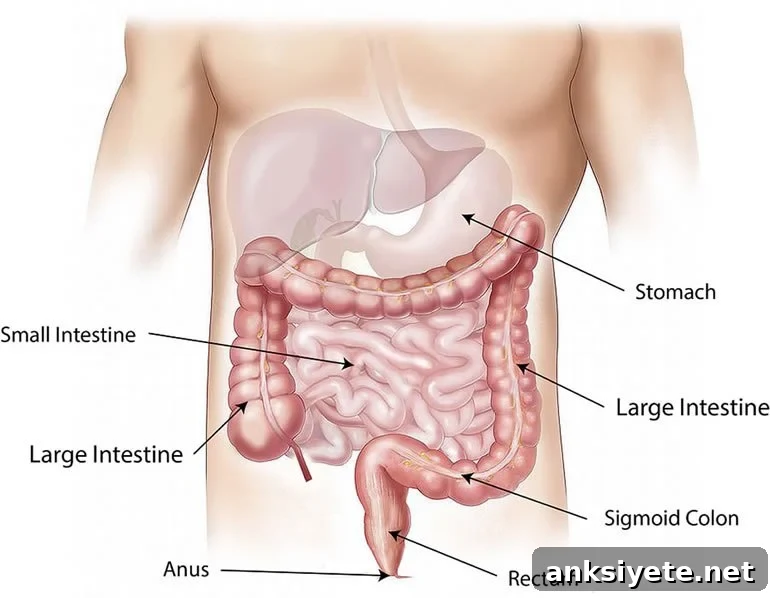
Summary: New clinical research finds evidence of gut dysbiosis in people with Huntington’s disease. Several gut microbiome measures correlated with motor and cognitive symptoms, suggesting the gut could be a target for future treatments or a marker for disease progression.
Source: Monash University
Groundbreaking clinical research into the gut microbiome of people with Huntington’s disease (HD) shows the disorder involves not only the brain but also systemic changes in the body.
Led by researchers at Monash University’s Turner Institute for Brain and Mental Health in collaboration with the Florey Institute for Neurosciences, this study identified altered gut bacteria — known as gut dysbiosis — in individuals carrying the Huntington’s disease gene. Several microbial measures were associated with clinical symptoms including impaired movement and cognitive decline.
Published in Brain Communications, the findings raise important questions about the role of the gut microbiome in Huntington’s disease and its potential as a target for therapeutic intervention or as a biomarker to track disease progression.
The research team, including neuropsychology doctoral candidate Cory Wasser and Professor Julie Stout, Director of Monash’s Clinical Cognitive Neuroscience Laboratory, analyzed fecal samples to compare gut microbiome composition in people with the HD gene to those without the mutation.
The study enrolled 42 participants with the Huntington’s disease gene expansion: 19 individuals with a clinical HD diagnosis and 23 who carry the gene but were still premanifest. These participants were compared with 36 healthy control participants matched for age and gender who do not carry the HD mutation.
Professor Stout explained that the human gut contains trillions of bacteria that outnumber human cells and communicate with the brain. “It is plausible that shifts in these microorganisms could influence symptoms commonly seen in HD, such as mood changes, cognitive decline and dementia,” she said.
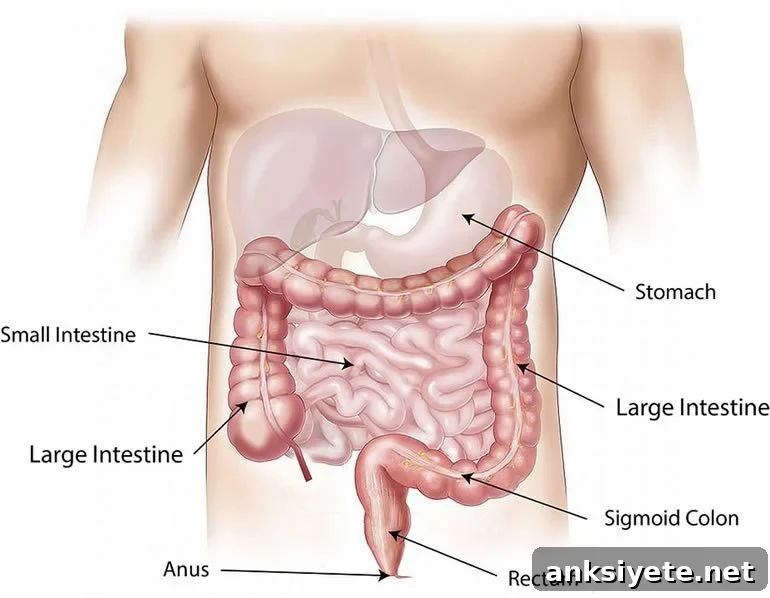
The research identified substantial shifts in microbial community composition at the level of bacterial families, changes that may alter the gut’s capacity to send signals to the brain and other organs. These alterations could precede or contribute to some of the more debilitating symptoms experienced by people with Huntington’s disease.
“These results raise the tantalizing possibility that the gut may be a viable target for interventions aimed at improving outcomes in Huntington’s disease and possibly in other neurodegenerative disorders,” Professor Stout said.
Huntington’s disease is a hereditary neurodegenerative condition characterized by progressive motor dysfunction, cognitive decline and psychiatric symptoms. Each child of a parent who carries the HD gene has a 50% chance of inheriting the mutation. There is currently no cure; once symptoms begin, life expectancy is typically reduced by 10 to 25 years, and later-stage disease severely diminishes quality of life.
Motor symptoms in HD can become profoundly disabling. Cognitive deterioration often progresses to dementia, and depression is significantly more common in people with HD compared with the general population.
About this Huntington’s disease research article
Source:
Monash University
Contacts:
Antoine Adamantidis – Monash University
Image Source:
The image is in the public domain.
Original Research: Open access
“Gut dysbiosis in Huntington’s disease: associations between gut microbiota, cognitive performance and clinical outcomes” by Cory I Wasser et al., published in Brain Communications.
Abstract
Gut dysbiosis in Huntington’s disease: associations between gut microbiota, cognitive performance and clinical outcomes
Huntington’s disease presents with a triad of motor, cognitive and psychiatric impairments and is commonly accompanied by unintended weight loss. While much research has focused on the core neurological symptoms, the extent and significance of peripheral pathology — including the gut — and how it relates to clinical progression remain poorly understood. The gut microbiome is a central mediator of gut–brain communication, and changes in microbial composition (dysbiosis) can negatively influence cognition, behavior and mood, potentially contributing to disease progression. Previous studies have reported gut dysbiosis in transgenic mouse models of Huntington’s disease. This study aimed to characterize the human gut microbiome in people with the HD gene expansion and to evaluate associations between microbiome composition and clinical measures of disease.
We examined 42 HD gene expansion carriers (HDGECs), including 19 individuals diagnosed with Huntington’s disease and 23 in the premanifest stage, alongside 36 age- and gender-matched healthy controls. Clinical assessment included a comprehensive battery of cognitive tests. Fecal samples were analyzed using 16S V3–V4 rRNA sequencing to profile the gut microbiome.
Compared with healthy controls, HDGECs showed significant differences in microbial community composition (beta diversity) based on unweighted UniFrac distance (p = 0.001) and demonstrated significantly lower alpha diversity (species richness and evenness) (p = 0.001). Major shifts were observed in community structure at the phylum and family levels, and functional pathway and enzyme predictions indicated differences in microbiome metabolic potential in HDGECs. Within the HDGEC group, specific gut bacteria correlated with cognitive performance and clinical outcomes.
Overall, these results indicate an altered gut microbiome in people with the Huntington’s disease gene expansion. The findings underscore the potential value of gut biomarkers and motivate further investigation into whether modulating the gut microbiome could serve as a therapeutic strategy or a tool for monitoring disease progression in Huntington’s disease.