
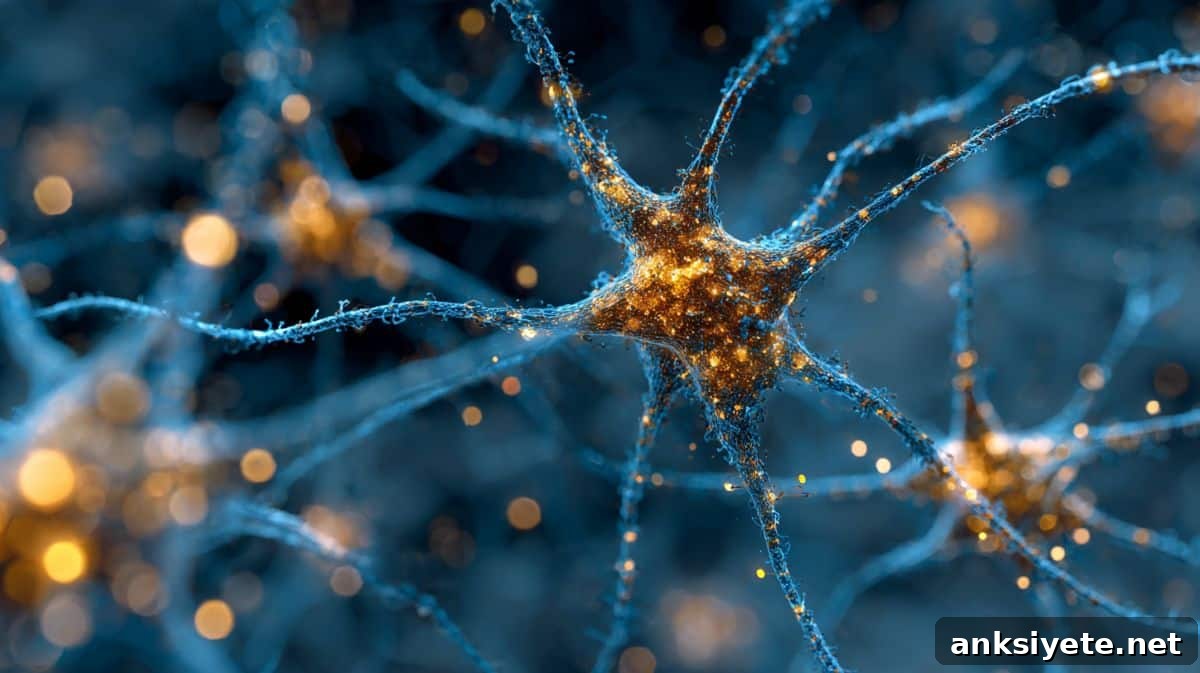
Summary: The shift from prenatal brain growth to postnatal circuit refinement depends on the enzyme glutamine synthetase (GS) moving from neural stem cells into astrocytes. While embryonic neurogenesis proceeds largely normally without GS, the enzyme becomes critical after birth for the structural and functional maturation of the cerebral cortex.
New research shows GS acts as a metabolic gatekeeper that supports the mTOR signaling pathway, a central regulator of cell growth and connectivity. When this metabolic support is lost, astrocytes fail to mature, neuronal dendrites remain underdeveloped, and behaviors linked to neurodevelopmental disorders emerge.
Key Facts
- Astrocytic pivot: GS expression is high in neural stem cells before birth and rises in astrocytes after birth, marking the transition from basic growth to complex circuit wiring.
- mTOR activation: GS supplies glutamine that sustains mTOR signaling; without it, astrocytes remain immature and show inflammatory characteristics.
- Synaptic consequences: Loss of GS dramatically reduces synapse formation and weakens cortical neural activity.
- Therapeutic window: Dietary glutamine supplementation partially restored astrocyte maturation, synaptic connectivity, and some social behaviors in mice.
Source: Higher Education Press
The developing human brain depends on a tightly regulated interplay of metabolism, growth, and connectivity.
Researchers report that a single metabolic enzyme—glutamine synthetase (GS)—plays a pivotal role in postnatal cortical development by guiding astrocyte maturation and supporting neuronal connectivity. GS converts glutamate to glutamine, a critical molecule for neurotransmitter recycling and nitrogen balance. Although GS is established as protective in the adult brain, its role during early development has been less clear until now.
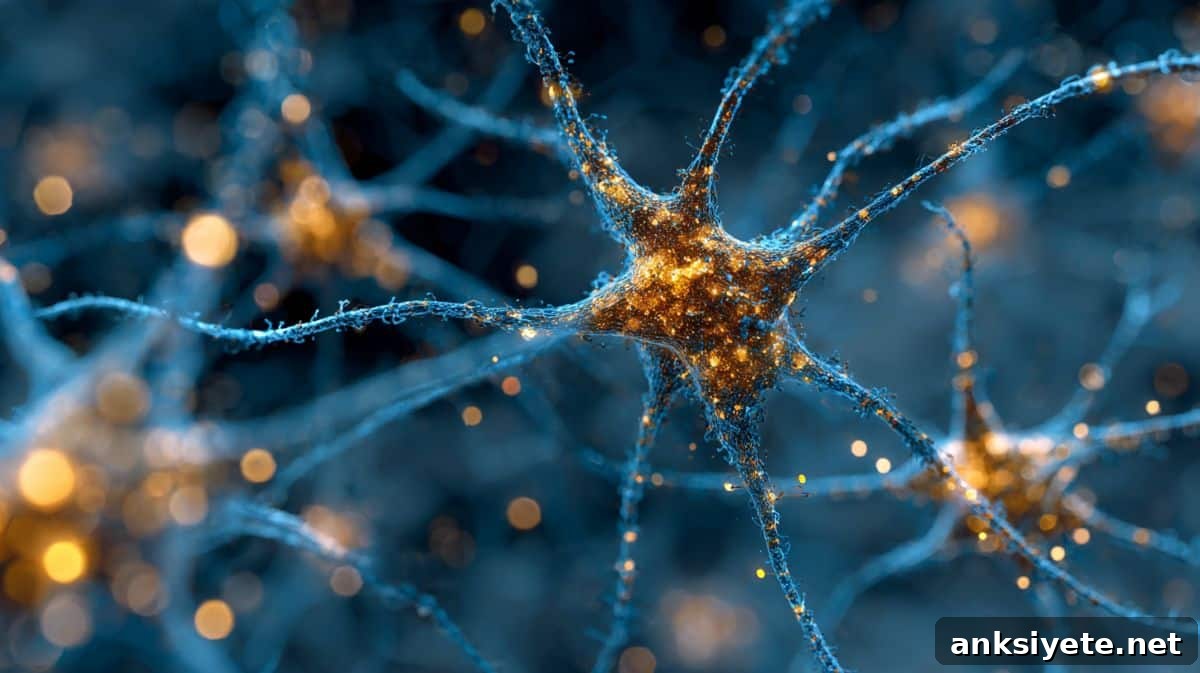
Using genetically engineered mice in which GS was deleted specifically in the cerebral cortex, the team mapped when and where GS is needed during brain development. They found GS is abundant in neural stem cells before birth, then becomes concentrated in astrocytes after birth—cells that support synapse formation, metabolic homeostasis, and circuit maturation.
Surprisingly, removing GS did not noticeably impair embryonic neurogenesis or the migration of neurons during gestation. The most severe consequences appeared postnatally: astrocytes lacking GS failed to undergo normal maturation. These immature astrocytes had altered morphology, lower expression of developmental markers, and ultimately adopted reactive features associated with inflammation.
At the molecular level, loss of GS disturbed amino acid balance and led to selective suppression of the mTOR signaling pathway, a master regulator of cellular growth and metabolism. Without mTOR activation, astrocytes could not provide proper metabolic support to developing neurons. Neurons in these brains showed shortened dendrites, reduced density of synaptic contacts, and diminished cortical activity. Behaviorally, the affected mice displayed motor coordination and social interaction deficits that resemble components of human neurodevelopmental disorders such as epilepsy and autism spectrum conditions.
Importantly, supplying glutamine in the diet after birth partially reversed several defects: astrocyte maturation improved, synapse numbers increased, and some behavioral impairments were alleviated. This rescue underscores a direct metabolic link between GS activity, mTOR signaling, and circuit formation, and it highlights a possible window for therapeutic intervention.
Overall, the study positions GS as a key metabolic regulator of postnatal cortical maturation. By linking astrocyte metabolism to mTOR signaling and neuronal connectivity, the findings provide a clearer picture of how metabolic dysfunction can lead to circuit-level problems during development and suggest that targeting astrocytic metabolism could offer new therapeutic strategies.
Key Questions Answered:
A: The research indicates partial recovery is possible when the missing metabolic fuel is restored. Dietary glutamine improved connectivity in mice, suggesting metabolic supplementation may help correct developmental wiring defects in some cases.
A: Before birth, maternal supply via the placenta likely provides sufficient glutamine. After birth, astrocytes must produce glutamine locally through GS to complete cortical wiring; without GS, that postnatal shift in metabolic responsibility fails.
A: The study identifies GS-related metabolic dysfunction as an important contributor to circuit and behavioral abnormalities relevant to these conditions. It is a significant piece of the broader puzzle but not a sole explanation for complex human disorders.
Editorial Notes:
- This article was edited by a Neuroscience News editor.
- The original journal paper was reviewed in full.
- Additional context was added by staff to clarify implications.
About this neuroscience research news
Author: Rong Xie
Source: Higher Education Press
Contact: Rong Xie – Higher Education Press
Image: The image is credited to Neuroscience News
Original Research: Open access. “Glutamine synthetase sustains cortical circuit development via mTOR-mediated astrocyte maturation” by Pifang Gong, Xiaoli Chen, Wei Cong, Wentong Hong, Yitong Liu, Guibo Qi, Xuan Song, Zhenru Wang, Zhanmeng Leng, Shumin Duan, Jun Gao, Woo-Ping Ge, Song Qin. Protein & Cell. DOI: 10.1093/procel/pwaf112
Abstract
Glutamine synthetase sustains cortical circuit development via mTOR-mediated astrocyte maturation
The developing cerebral cortex requires strict metabolic control to support neurogenesis and the emergence of functional circuits. Glutamine synthetase (GS), which converts glutamate into glutamine, contributes to neurotransmitter recycling and nitrogen balance. Human GLUL mutations cause severe neurodevelopmental disorders, and GS loss in animal models can be lethal, highlighting its importance. Although GS deficiency in adults leads to neurodegeneration, its role during early cortical development was previously unclear. This study demonstrates that GS shifts from neural stem cells prenatally to astrocytes postnatally, where it supports amino-acid homeostasis and activates mTOR signaling. Loss of GS selectively suppresses mTOR in astrocytes, blocking their maturation and reducing metabolic support for neurons. The downstream effects include stunted dendritic growth, fewer synapses, and impaired cortical activity, which manifest as motor and social behavioral deficits. Dietary glutamine supplementation provided partial recovery, indicating that astrocytic metabolism and mTOR signaling are tightly linked and that metabolic interventions may offer therapeutic potential for certain neurodevelopmental disorders.