
Computers are among this century’s most valuable possessions. They connect people to information, and that connection depends on a fast, reliable Internet and sufficient bandwidth. Bandwidth determines how much data can be transmitted over a given time; when signal strength or throughput is low, performance suffers. In a similar way, the human brain processes information through chemical signals and neurotransmitters, and its function depends on the health and number of neurons. Whether through normal development or as part of disease processes, neurons undergo changes—including programmed death—that help the brain regulate its chemical balance and maintain proper function.
For many years, neuroscientists believed the number of neurons in an adult brain was fixed from birth. Early views held that neurons generated only during infancy formed neural circuits and that adding new neurons later would disrupt established networks (National Institute of Neurological Disorders and Stroke [NINDS], 2013). Those assumptions were challenged over time. In 1962, Joseph Altman reported evidence that new neurons could arise in the hippocampus of adult rats. Although Altman’s findings were initially controversial, subsequent research has supported adult neurogenesis in certain brain regions. Debate continues about its extent and relevance in humans, but the discovery shifted long-standing ideas about the brain’s capacity for change.
If new neurons can be produced, they can also be eliminated. Neurons, like many specialized cells, can undergo programmed cell death to remove those that form faulty connections or otherwise fail to integrate correctly (Giordano & Costa, 2011). During development, neurons migrate through the brain along chemical gradients or scaffolds such as radial glia to reach their final positions. Once positioned, they form synapses to send and receive neurotransmitters. Those that fail to connect properly are often removed through apoptosis—an organized, intracellular process of self-destruction. As Alberts, Johnson, and Lewis explain, “If cells are no longer needed, they commit suicide by activating an intracellular death program” (2002). Apoptosis relies on the cleavage of proteins within the cytoplasm and nucleus and plays a crucial role in balancing cell birth and death in multicellular tissues.
Abnormal or excessive neuronal death underlies many neurodegenerative and ophthalmological diseases. Cell loss in the brain is a central feature of disorders such as Alzheimer’s disease, the most common form of dementia. Researchers from the Alzheimer’s Association (2011) note that while the exact causes of cell death and tissue loss in Alzheimer’s are not fully established, amyloid plaques and neurofibrillary tangles are leading suspects; tangles, in particular, disrupt neuronal structure and function. In glaucoma, retinal ganglion cell death contributes to progressive vision loss; some investigators suggest that mitochondrial dysfunction and resulting failure to maintain normal energy balance trigger apoptotic pathways in these neurons, further linking cellular energy metabolism to programmed cell death.
Because neuronal loss drives clinical decline in many conditions, scientists are actively seeking ways to slow, halt, or prevent pathological cell death. Preclinical studies reported in Science Translational Medicine have explored orally deliverable compounds that modulate the unfolded protein response and related stress pathways. In animal models, inhibiting specific enzymes such as PERK can preserve protein synthesis and protect neurons in conditions that would otherwise cause neurodegeneration. While these results are promising, such treatments remain experimental and have not been cleared for human use because of potential side effects, including weight loss and metabolic disturbances.
Besides investigational drugs, nutritional supplements that support mitochondrial health and reduce oxidative stress have been proposed as adjunctive strategies. Researchers at the University of Oxford (2008) suggested that improving mitochondrial function could slow apoptosis in retinal ganglion cells and thus benefit glaucoma patients. Compounds like creatine, alpha-lipoic acid, nicotinamide (vitamin B3), and epigallocatechin gallate (EGCG) have been considered because they counteract oxidative damage and can reach the retina when taken orally, often with a favorable safety profile. While such supplements are not cures, they may offer supportive protection when used appropriately and under medical guidance.
Our understanding of neurogenesis, apoptosis, and neuroprotection has advanced substantially, yet many questions remain. Research continues to clarify how neurons are born, migrate, form connections, and sometimes die, and how these processes can be modulated to treat disease. Progress in basic and translational neuroscience holds promise for new therapies that preserve neuronal function and slow the progression of neurodegenerative conditions.
References
Alberts, B., Johnson, A., & Lewis, J. (2002). “Programmed Cell Death (Apoptosis).” Molecular Biology of the Cell. 4th ed.
Alzheimer’s Association. (2011). “Brain Plaques and Tangles.”
Giordano, G., & Costa, L.G. (2011). “Measurements of Neuronal Apoptosis.” Methods in Molecular Biology, p. 179–193.
Moreno, J. A., Halliday, M., Molloy, C., & Radford, H. (2013). “Oral Treatment Targeting the Unfolded Protein Response Prevents Neurodegeneration and Clinical Disease in Prion-Infected Mice.” Science Translational Medicine, Vol. 5, Issue 206.
National Institute of Neurological Disorders and Stroke. (2013). “The Life and Death of a Neuron.”
Osborne, N. N. “Pathogenesis of Ganglion Cell Death in Glaucoma and Neuroprotection: Focus on Ganglion Cell Axonal Mitochondria.”
Zaheera Shabbir is a junior at SUNY Binghamton pursuing a B.S. in Biochemistry & Integrative Neuroscience with a minor in Linguistics.
Neuroscience News publishes opinion pieces from outside authors in addition to its own reporting and press releases. Views expressed by contributors do not necessarily reflect those of Neuroscience News.
Written by Zaheera Shabbir
Contact: Zaheera Shabbir – Binghamton University, State University of New York / NeuroscienceNews.com
Source: Opinion article submitted to NeuroscienceNews.com by Zaheera Shabbir
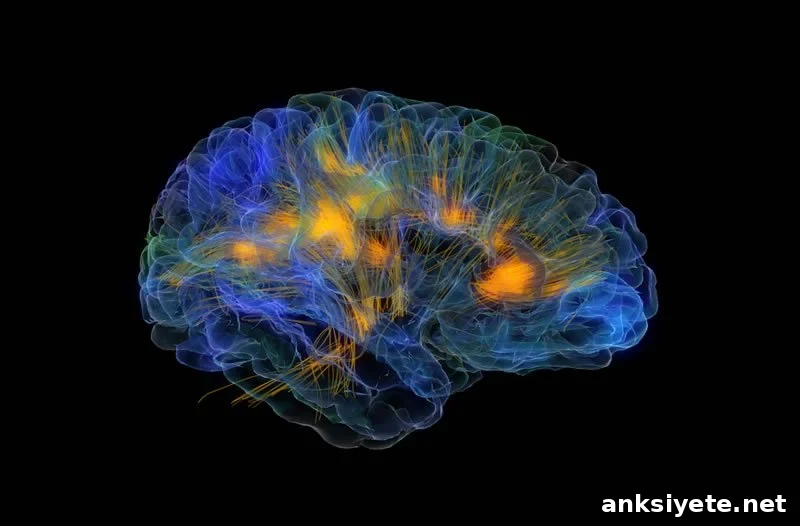
Image Source: The image is credited to Gazzaleylab / Neuroscapelab / UCSF. The image is not directly connected with this opinion piece and is for illustrative purposes only.