
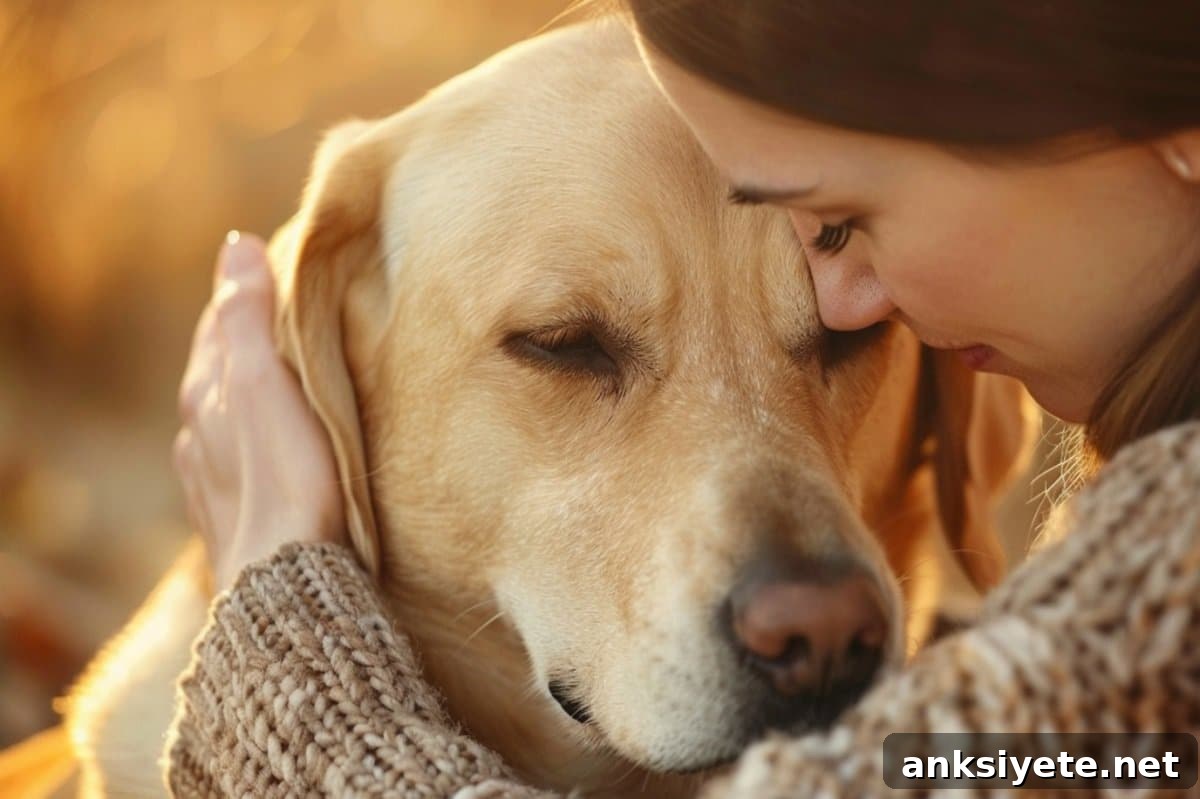
Human Stress Odours Make Dogs More ‘Pessimistic’ and Alter Learning, New Study Shows
Summary: New research from the University of Bristol reveals that dogs exposed to human stress odours make more cautious, slower decisions in ambiguous situations—behavior described as “pessimistic.” The study demonstrates that the scent of stressed humans not only affects a dog’s emotional state but also influences how quickly dogs learn about where rewards are located. These findings have direct implications for kennel welfare, companion dog training, and the management of working dogs.
This research strengthens the evidence for emotional contagion across species: dogs appear sensitive to subtle chemical signals produced by humans and respond with measurable changes in behavior and perception. Understanding these effects can help handlers, trainers, and shelter staff reduce stress-related impacts on dogs and improve training outcomes and welfare.
Key Findings
- Exposure to human stress odours caused dogs to make slower, more “pessimistic” choices when faced with ambiguous cues.
- The presence of stress odours accelerated learning about whether specific locations contained food or not.
- The results highlight the influence of human emotional states on canine wellbeing and the importance of environment when training or housing dogs.
Source: University of Bristol
The University of Bristol-led study, published in Scientific Reports, is the first to experimentally test how human stress smells affect both the emotional responses and learning performance of dogs. Prior evidence in humans has shown that the scent of a stressed person can subtly shape mood and decision-making in others; this study extends that concept to companion animals frequently living and working alongside people.
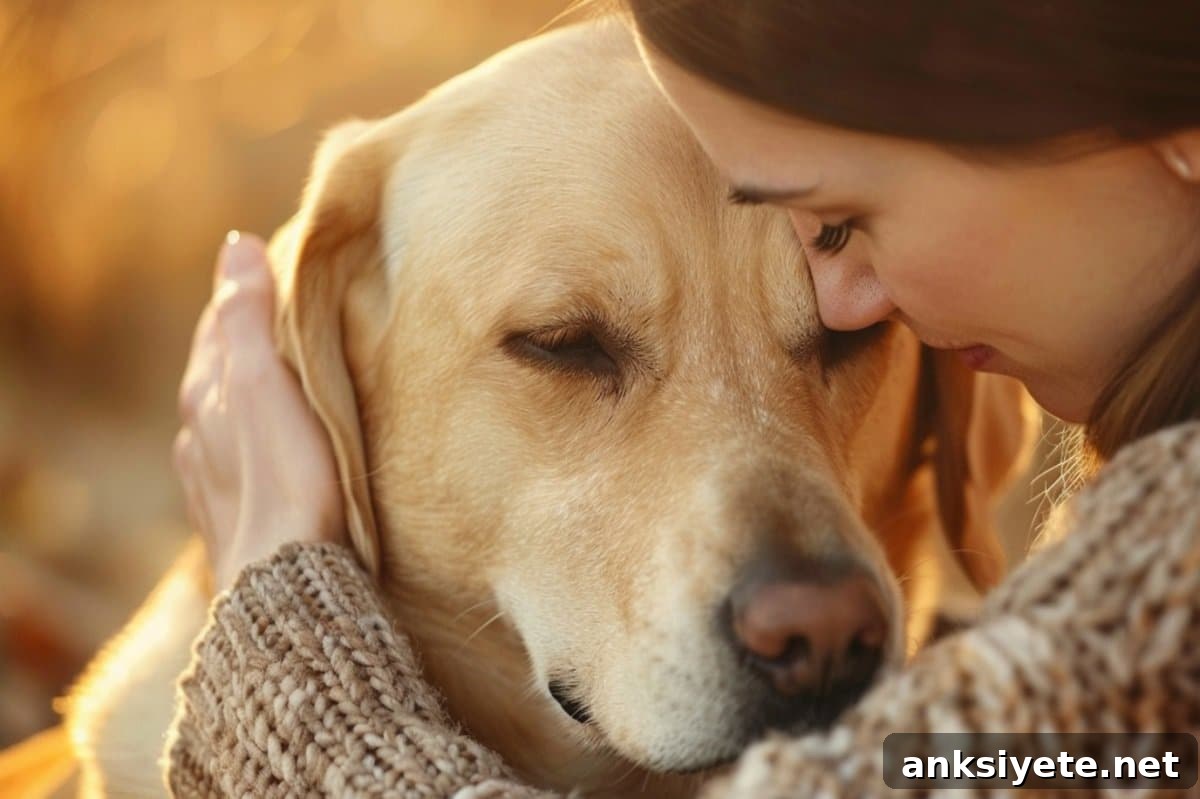
How the Study Was Conducted
Researchers recruited 18 dog-owner pairs to participate in controlled trials. Dogs were trained to discriminate between two bowl locations: one location always contained a treat, while the other was always empty. After learning this discrimination, dogs reliably approached the rewarded location faster than the empty one.
To test emotional bias, the team presented dogs with bowls placed at novel, intermediate positions between the trained rewarded and empty locations. Faster approaches to these ambiguous positions were interpreted as “optimistic” (expectation of reward), while slower approaches were taken as “pessimistic” (expectation of no reward).
During different trial sessions, dogs were exposed to either no odour or to sweat and breath samples collected from humans during two distinct states: a stressed state induced by a challenging arithmetic task, and a relaxed state while listening to calming soundscapes. The design allowed researchers to compare behavior across neutral, relaxed, and stressed human-odour conditions.
Behavioral Effects and Interpretation
The primary behavioral effect observed was that the stress odour made dogs slower to approach the ambiguous bowl location nearest the trained empty location. In other words, the scent of human stress biased dogs toward expecting no reward in uncertain situations—consistent with a negative emotional state.
Interestingly, the same stress odour also appeared to speed up the dogs’ learning about which of the two trained locations contained food versus nothing. The authors suggest this may reflect heightened attention or increased caution under perceived stress cues: dogs learn more quickly which location is safe to approach but adopt a more conservative approach when faced with uncertainty.
Researchers propose that the “pessimistic” bias might serve adaptive purposes, such as conserving energy or avoiding disappointing outcomes when cues indicate a stressful environment. Nevertheless, the shift in emotional state and decision-making has practical consequences for how dogs perform in everyday and working contexts.
Implications for Welfare and Training
Dr Nicola Rooney, Senior Lecturer in Wildlife and Conservation at Bristol Veterinary School and lead author, emphasizes the practical importance of these findings: understanding how human stress affects dogs is crucial for improving conditions in kennels, refining training methods for companion animals, and optimizing performance for working dogs such as assistance animals.
The study also confirms what many owners and handlers report anecdotally—dogs are highly attuned to human emotional cues. This research shows that even the odour of an unfamiliar stressed person can change a dog’s emotional state, perception of rewards, and learning speed. In real-world settings, handlers should be mindful that their stress can influence a dog’s behaviour both directly (via physical interaction) and indirectly (through emitted scents).
Research Team and Acknowledgements
Primary researchers included Dr Nicola Rooney and PhD student Dr Zoe Parr-Cortes from Bristol Veterinary School, who led experimental design, data collection, and analysis. The team thanks the participating dog owners and volunteers who provided samples and assisted with trials.
About this research news
Author: Caroline Clancy
Source: University of Bristol
Contact: Caroline Clancy, University of Bristol
Image credit: Neuroscience News
Original Research: Findings published in Scientific Reports.