
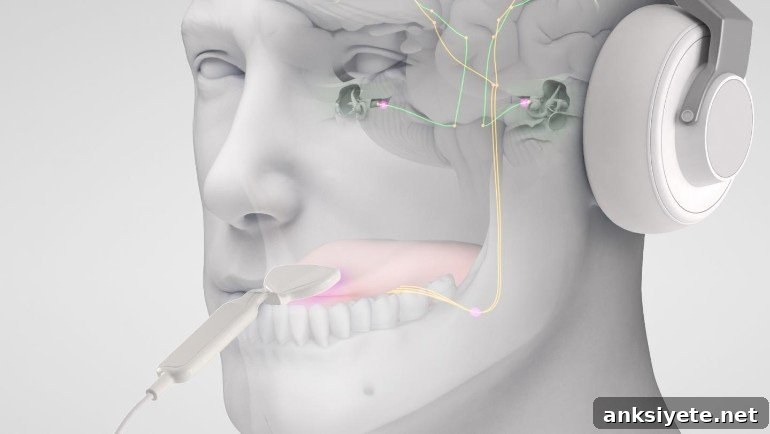
Summary: A noninvasive bimodal neuromodulation device that delivers synchronized sound to the ears and mild electrical stimulation to the tongue significantly reduced tinnitus symptom severity in a large randomized clinical trial, with benefits lasting up to one year.
Source: AAAS
A novel bimodal neuromodulation system that combines auditory stimulation through headphones with gentle electrical stimulation of the tongue produced meaningful and sustained reductions in tinnitus severity for 326 trial participants, while achieving high levels of patient satisfaction and adherence.
Tinnitus—where individuals perceive sounds such as ringing, buzzing, or hissing without any external source—affects a substantial portion of the population and can cause significant distress, sleep disruption, concentration problems, and reduced quality of life. Estimates suggest up to 15% of people may experience tinnitus at some point, yet there are currently no universally approved medical devices or drug therapies that reliably relieve symptoms for most patients.
This large randomized clinical trial evaluated a noninvasive bimodal approach informed by preclinical research showing that pairing auditory input with electrical stimulation of somatosensory pathways can modify neural activity associated with tinnitus. Participants were asked to use the device for 60 minutes each day over a 12-week treatment period. The device delivers calibrated sounds via headphones while simultaneously applying low-intensity electrical pulses to the tongue using a mouthpiece, a combination designed to engage both auditory and somatosensory neural circuits.
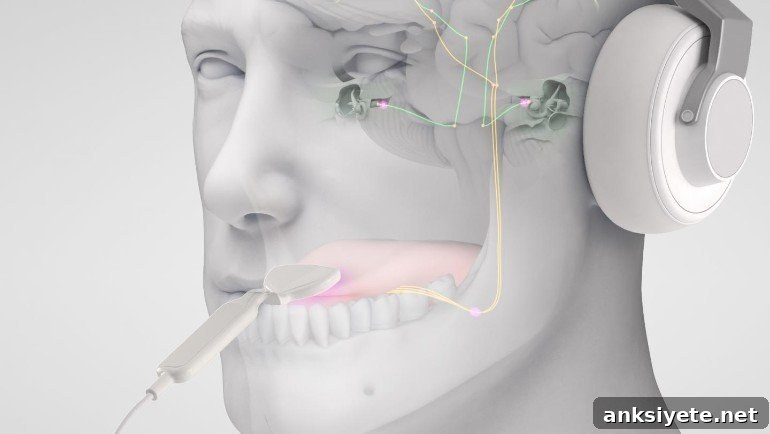
Over the course of the trial, participants using the bimodal device experienced significant improvements in measures of tinnitus severity. Importantly, those clinical gains were not short-lived: follow-up assessments showed that symptom reductions persisted throughout a 12-month period after the initial treatment phase. The study also reports strong patient adherence to the daily regimen and generally high satisfaction with the treatment experience, suggesting the intervention is both tolerable and practical for regular home use.
Researchers emphasize that the bimodal strategy leverages coordinated auditory and somatosensory input to encourage beneficial neural plasticity. While the precise neural mechanisms remain an active area of investigation, prior animal studies and the current clinical findings support the idea that paired stimulation can recalibrate abnormal neural activity associated with tinnitus and thereby reduce perceived symptoms.
This clinical trial represents one of the largest randomized studies of a tinnitus treatment to date and provides encouraging evidence that a noninvasive, device-based approach could become a viable option for patients who currently have few effective alternatives. The authors note that different stimulation parameters and delivery schedules may influence outcomes, and optimizing these variables could improve response rates and durability of benefit.
To that end, the research team is conducting an additional large-scale study to examine the effects of varying stimulation protocols over time and to identify which patients are most likely to benefit. Ongoing research aims to refine treatment algorithms, confirm long-term safety and effectiveness, and better understand which clinical characteristics predict the greatest improvements.
For clinicians and patients, these findings are significant because they point to a practical, nonpharmacological intervention that can be used at home and may offer sustained symptom relief. Future confirmations and regulatory review will determine how quickly such a device might become widely available as an evidence-based option for tinnitus management.
About this neurotech research news
Source: AAAS
Contact: Press Office – AAAS
Image: The image is credited to B. Conlon et al., Science Translational Medicine (2020).
Original Research: The study will appear in Science Translational Medicine.