
Summary: Researchers have made a significant breakthrough in restoring the ability to form lasting memories in older or damaged brains.
Source: UC Irvine.
Researchers at the University of California, Irvine report that aging or damaged brains can regain the ability to form long-term memories when an overactive enzyme that suppresses a key gene is inhibited.
“What we’ve discovered is that if we free up that DNA again, now the aging brain can form long-term memories normally,” said senior author Marcelo Wood, UCI’s Francisco J. Ayala Chair in Neurobiology & Behavior. Wood presented these findings at the American Association for the Advancement of Science annual meeting in Austin, Texas. “In order to form a long-term memory, you have to turn specific genes on. In most young brains, that happens easily, but as we get older and our brain gets older, we have trouble with that.”
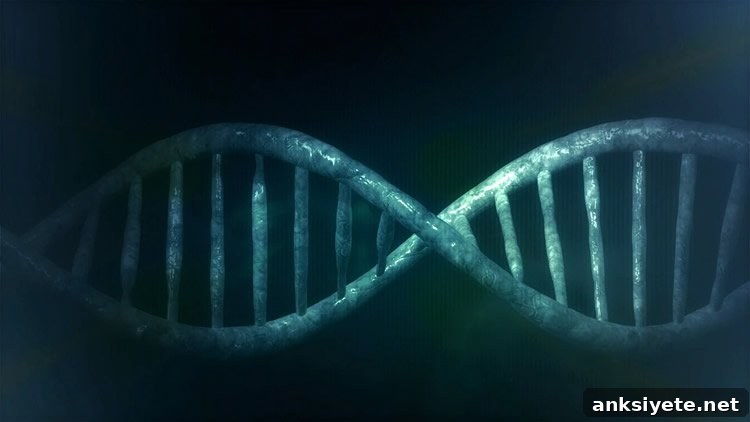
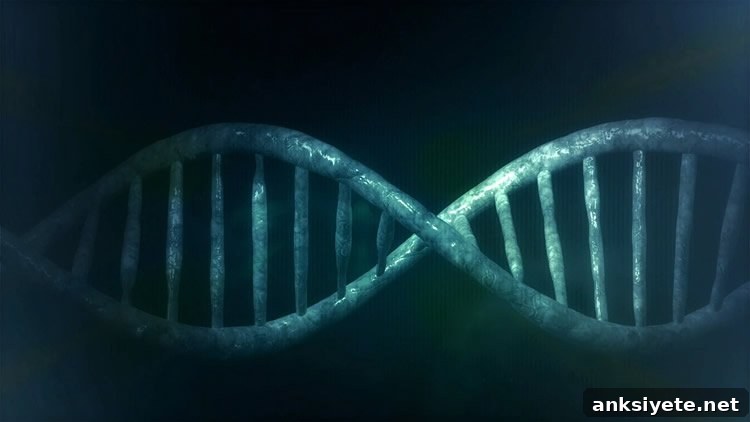
The team explains that the problem stems from the physical packaging of DNA inside cells. The long strands of DNA—about six feet if stretched out—are tightly wound in the nucleus, and efficient memory formation requires portions of that DNA to loosen so specific genes can be activated. With age, this chromatin becomes less flexible. The study identifies an enzyme, histone deacetylase 3 (HDAC3), that acts like an overzealous molecular brake pad, compacting chromatin and preventing access to critical genes such as Period1.
When HDAC3 is overly active, it blocks the release and transcription of the Period1 gene in the hippocampus, a brain region essential for encoding new memories. The researchers found that reducing HDAC3 activity restores chromatin flexibility and re-enables the normal activation of Period1, allowing aged or damaged hippocampal tissue to form long-term memories once again.
Earlier hypotheses attributed age-related declines in transcription and memory encoding to deteriorating core circadian clock mechanisms. However, Wood and colleagues, including postdoctoral fellow Janine Kwapis, identified a distinct mechanism: an overly aggressive HDAC3 enzyme in the hippocampus impeding access to Period1. This new understanding separates the loss of memory-forming capacity from generalized circadian decline and points to a specific molecular target.
The discovery has direct implications for therapeutic development. “New drugs targeting HDAC3 could provide an exciting avenue to allow older people to improve memory formation,” Wood said. By focusing on small-molecule inhibitors or other approaches that selectively reduce HDAC3 activity in relevant brain regions, it may be possible to restore gene access and support memory consolidation without altering other essential chromatin functions.
This research emphasizes the importance of epigenetic regulation in cognitive aging. Rather than irreversible loss, some declines in memory formation may reflect reversible changes in how DNA is packaged and accessed. Interventions that adjust chromatin dynamics or block specific suppressive enzymes could reopen windows of plasticity in aging brains and in certain types of brain damage.
Funding: Collaborators from UC Davis and Mount Holyoke College contributed to the research. Support came from the National Institute on Aging, the National Science Foundation, the Defense Advanced Research Projects Agency (DARPA), the French National Institute of Health & Medical Research, and the Novo Nordisk Foundation.
Source: Janet Wilson – UC Irvine
Publisher: Organized by NeuroscienceNews.com.
Image source: NeuroscienceNews.com image in the public domain.
Original research presentation: Findings presented at the 2018 AAAS Annual Meeting.
MLA: UC Irvine. “Researchers Crack Code to Restoring Memory Creation in Older or Damaged Brains.” NeuroscienceNews, 16 February 2018.
APA: UC Irvine (2018, February 16). Researchers crack code to restoring memory creation in older or damaged brains. NeuroscienceNews.
Chicago: UC Irvine. “Researchers Crack Code to Restoring Memory Creation in Older or Damaged Brains.” NeuroscienceNews, February 16, 2018.