Summary: Adults with autism spectrum disorder show reduced levels of the serotonin transporter, a protein that helps regulate serotonin in the brain.
Source: Karolinska Institute
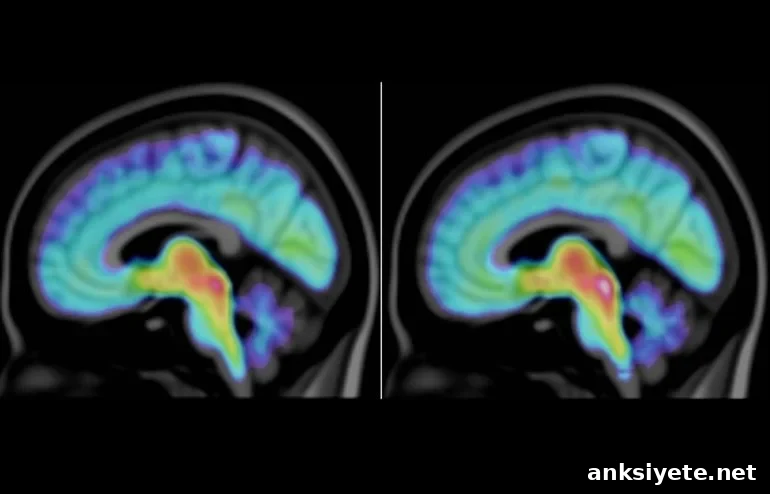
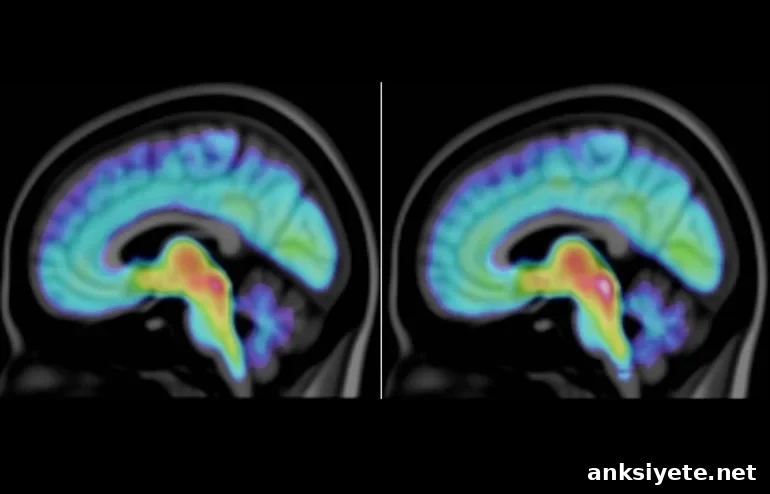
New research from Karolinska Institutet, published in Molecular Psychiatry, reports that people on the autism spectrum have lower availability of the serotonin transporter (5-HTT) in several brain regions. Using positron emission tomography (PET), the study compares adults with and without autism and links transporter differences to social cognitive performance, offering a clearer biological signal that may guide future therapeutic research.
Autism spectrum disorder (ASD) is a neurodevelopmental condition that appears in childhood and is defined by challenges in social communication and interaction, along with restricted or repetitive behaviors and interests. Despite its prevalence, the biological mechanisms underlying ASD remain incompletely understood, and effective pharmacological treatments for core symptoms are still lacking.
Serotonin and brain development
Serotonin is a key neurotransmitter involved in mood, cognition, and many physiological processes. It also influences brain development. The serotonin transporter (5-HTT) regulates extracellular serotonin levels by reuptake into neurons and is thus a central marker of the serotonin system. Previous research has identified elevated blood serotonin in many individuals with ASD, while smaller imaging studies suggested reduced 5-HTT in the brain; however, results were inconsistent and required confirmation in well-controlled studies.
Study design and methods
To investigate serotonin transporter availability in vivo, the researchers employed PET imaging with the radioligand [11C]MADAM. The study included 15 adults diagnosed with ASD (11 men and 4 women) and 15 matched control participants without ASD. Before scanning, participants received a small, safe dose of a radioactive tracer that binds selectively to 5-HTT. The PET scanner measures the tracer’s distribution and intensity, allowing quantification of 5-HTT availability across brain regions.
Key findings
The analysis revealed significantly lower 5-HTT availability in total gray matter, the brainstem, and in half of the examined gray matter subregions in the ASD group compared with controls. Lower transporter availability was observed in the cerebral cortex as well as in other areas implicated in communication, social cognition, and sensorimotor integration.
Importantly, the study also identified correlations between regional 5-HTT availability and performance on social cognitive tests that assess abilities often impaired in ASD. These associations suggest that reduced serotonin transporter availability may be functionally relevant to the social and cognitive features of autism.
Interpretation and implications
The findings strengthen the long-standing hypothesis that the serotonin system is involved in the neurodevelopmental biology of ASD. Reduced 5-HTT availability in adults with autism supports a model in which altered serotonin signaling contributes to atypical brain development and ongoing functional differences. While PET imaging cannot by itself determine cause and effect, these results provide a clearer biological target for further research.
A better understanding of the serotonin system’s role in ASD may help guide the development of treatments that more directly target relevant neurobiology. The authors emphasize the need for continued investigation to clarify how 5-HTT differences arise, how they relate to clinical heterogeneity, and whether they can inform novel intervention strategies.
Funding and disclosures
This study received funding through collaborative research initiatives including EU-AIMS and the IMI programs, national research councils and foundations, and autism research organizations. The article notes professional affiliations and past industry engagements for some co-authors, which are disclosed in the published report.
About the original research
Original research: “Serotonin transporter availability in adults with autism—a positron emission tomography study” by Max Andersson and colleagues, published in Molecular Psychiatry. The work used PET imaging and the radioligand [11C]MADAM to compare 5-HTT availability in 15 adults with ASD and 15 matched controls, finding widespread reductions in transporter availability in the ASD group and correlations with social cognitive measures.
These results confirm lower brain 5-HTT availability in adults with ASD and support continued study of the serotonin system to better understand ASD biology and identify potential therapeutic pathways.