
Summary: This study clarifies how specific synaptic proteins maintain neuronal signaling, with potential implications for diagnosing and treating neurodegenerative and other diseases.
Source: University of Plymouth.
New findings provide detailed insight into synapse function and the role of specific proteins, information that could inform research into the diagnosis and treatment of neurodegenerative and related conditions.
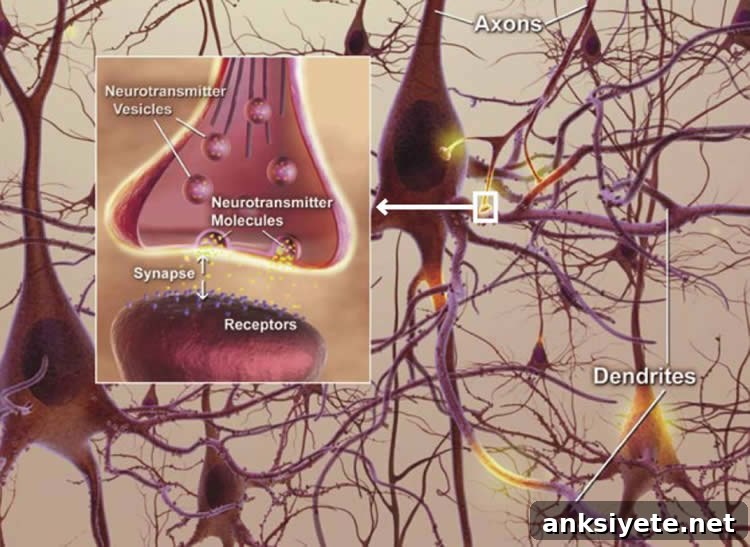
Synapses are specialized junctions that enable neurons to communicate, supporting essential processes such as learning, memory, breathing, sleep-wake cycles, and many other physiological functions. When synapses lose structure or function, it contributes to a wide range of medical conditions, from neurodegenerative diseases like dementia and Parkinson’s to systemic disorders such as diabetes. Because synaptic dysfunction underlies so many disease processes, a clearer molecular understanding of synapse operation is a high priority for biomedical research.
An international research team has published new results in Nature Neuroscience that illuminate how different versions of a synaptic protein contribute separately to the maintenance of synaptic signaling. The collaborative team included scientists from institutions in Germany, the United Kingdom, and Austria, among them researchers from Freie Universität Berlin, Charité Universitätsmedizin Berlin, the Leibniz Institute for Molecular Pharmacology, the Max Planck Institute for Biophysical Chemistry, Plymouth University Peninsula Schools of Medicine and Dentistry, the University of Cambridge, and the University of Graz.
To probe synapse biology at high resolution, the researchers used targeted genetic approaches to remove individual proteins from synapses and observe the resulting changes in function. They conducted their experiments on synapses from the fruit fly Drosophila, a well-established model organism whose synaptic components and mechanisms are remarkably similar to those found in humans. By selectively eliminating specific proteins, the team identified distinct contributions of each protein variant to the regulation of neurotransmission.
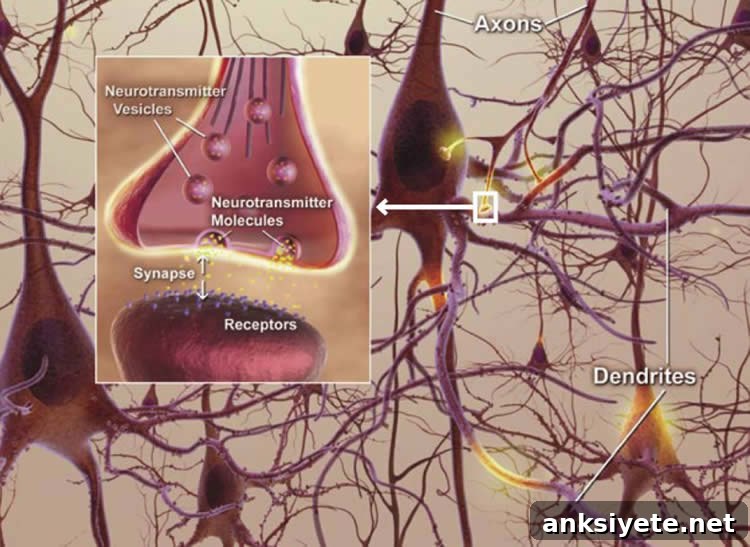
The core result of the study is the discovery that two distinct variants of a protein known as Unc13 operate independently to control different aspects of synaptic transmission. This work is the first to demonstrate how the various forms of Unc13 differ in their roles at the synapse. By separating the functions of these protein variants, the study clarifies mechanisms that preserve reliable neurotransmission and adapt synaptic output to varying demands.
These mechanistic insights are significant for several reasons. First, knowing precisely how Unc13 variants shape synaptic release dynamics provides a molecular framework for understanding synaptic stability and plasticity. Second, because synaptic dysfunction is a hallmark of many progressive and disabling diseases, the new findings may point toward biomarkers or molecular targets relevant to early diagnosis, monitoring, or therapeutic intervention. Finally, the methods used—combining precise genetics with advanced imaging and functional assays—establish an experimental approach that can be applied to other synaptic proteins and pathways.
Dr. Iain Robinson, Associate Professor in Neurosciences at Plymouth University Peninsula Schools of Medicine and Dentistry and a member of the research team, emphasized the value of combining genetic manipulation with state-of-the-art imaging: “This integrated approach allows us to dissect the specific contributions of synaptic components that convey messages across the brain. Our work advances understanding of the mechanisms synapses use to maintain communication and creates knowledge that could be essential for research aiming to identify new diagnostic markers or treatments for a broad range of debilitating conditions.”
Source: Andrew Gould – University of Plymouth
Image Source: This image is provided for illustrative purposes and is in the public domain.
Original Research: The study was published in Nature Neuroscience in August 2016.
University of Plymouth. “Study Sheds Light on the Role of Proteins and How Synapses Work.” NeuroscienceNews, 15 August 2016.