
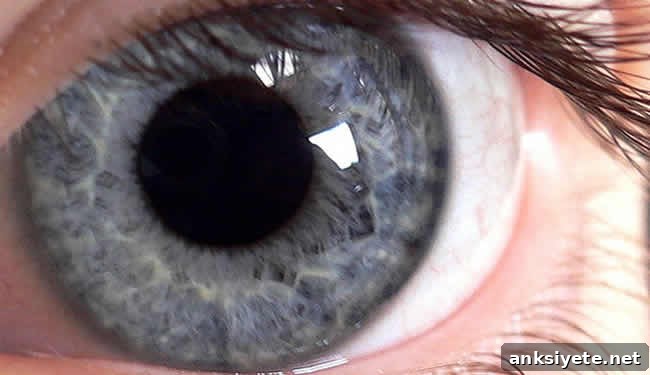
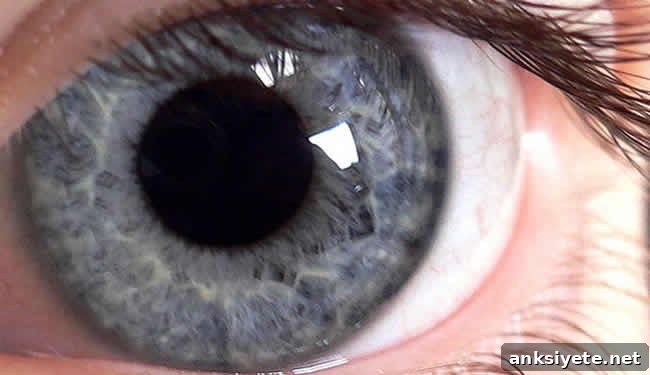
University of Kansas researchers found larger resting pupil size and distinctive salivary enzyme patterns in children with autism spectrum disorder
Researchers at the University of Kansas report that children diagnosed with autism spectrum disorder (ASD) showed larger resting pupil diameter and altered levels of salivary alpha-amylase (sAA), an enzyme closely associated with the neurotransmitter norepinephrine (NE) and the autonomic nervous system. These physiological features may serve as noninvasive biomarkers for altered autonomic function in ASD and could contribute to earlier screening strategies.
The study compared three groups of young children—those diagnosed with ASD, typically developing children, and children with Down syndrome—ranging in age from 20 to 72 months. In controlled laboratory testing, afternoon salonary samples and pupil measurements showed that children with ASD had larger baseline pupil size and lower sAA levels than typically developing peers. However, when parents collected saliva samples at home across the day, a different pattern emerged: children with ASD tended to have higher average sAA levels throughout the day and showed much less diurnal variability compared with typically developing children.
“What this says is that the autonomic system of children with ASD is always on the same level,” said Christa Anderson, assistant research professor at the KU Life Span Institute. “They are in overdrive.” John Colombo, professor of psychology and co-director of the study, added that while many theories of autism focus on deficits in higher-order brain areas, these findings suggest core differences may reside in brain regions that regulate fundamental, physiological functions.
The use of salivary alpha-amylase as an index of norepinephrine activity addresses concerns raised by prior studies that measured NE in blood plasma, where stress from a blood draw could influence levels. In this KU study, saliva was collected using a highly absorbent sponge swab placed under the child’s tongue, a procedure that is minimally invasive and unlikely to produce the stress responses associated with venipuncture. The research team also measured cortisol, a well-established stress hormone, to confirm that the saliva collection method did not substantially increase stress in the children tested.
Findings show two complementary signals linked to autonomic function: enlarged baseline pupil diameter and altered sAA profiles. In typically developing children, sAA levels showed the expected gradual rise and fall over the course of the day, reflecting normal diurnal variation. In contrast, the ASD group demonstrated a blunted pattern—less fluctuation and, when measured across the full day at home, generally elevated sAA—consistent with a more tonic or steady-state autonomic activation.
These physiological measures—resting pupil size and salivary alpha-amylase—could have several clinical and research implications. Because saliva collection is noninvasive and relatively inexpensive, sAA has potential as a screening tool to help identify children who may benefit from further diagnostic evaluation for ASD at an earlier age. Pupil measurement, which can be obtained with eye-tracking technology or simple photometric devices, may serve as an additional rapid biomarker reflecting sympathetic nervous system activity.
The research aligns with public health priorities to discover biological indicators that enable earlier identification and deeper understanding of how the nervous system develops in autism spectrum disorder. By focusing on autonomic markers rather than only higher-order cognitive or social measures, the study contributes to a broader view of ASD that includes basic physiological regulation.
Notes about this autism spectrum disorder research
Christa J. Anderson is an assistant research professor and John Colombo is a professor of psychology at the University of Kansas Life Span Institute, which supports neurodevelopmental and translational research across the life span. The study, titled “Pupil and salivary indicators of autonomic dysfunction in autism spectrum disorder,” was published online May 29, 2012 in the journal Developmental Psychobiology. The research compared young children with ASD, typically developing peers, and children with Down syndrome, and used both laboratory and at-home saliva sampling to evaluate diurnal patterns of salivary alpha-amylase alongside pupil measurements.
Contact: Karen Henry – Kansas Life Span Institute. Source: The University of Kansas press release. Original research: Abstract for “Pupil and salivary indicators of autonomic dysfunction in autism spectrum disorder” by Christa J. Anderson, John Colombo and Kathryn E. Unruh in Developmental Psychobiology, 2012.