
Summary: A new study found that higher-than-average systolic blood pressure in later life is linked to more brain lesions and a greater number of Alzheimer’s disease tangles at autopsy.
Source: American Academy of Neurology (AAN)
Higher late-life blood pressure linked to more brain lesions and Alzheimer’s tangles
Older adults who maintain higher blood pressure readings in late life may show more evidence of brain disease, according to a study published online July 11, 2018, in the journal Neurology. The research found that elevated average systolic blood pressure across later years was associated with an increased likelihood of cerebrovascular lesions (brain infarcts) and with a higher number of neurofibrillary tangles, a hallmark of Alzheimer’s disease.
“Blood pressure changes with aging and disease, so we wanted to examine its impact on the brain,” said Zoe Arvanitakis, MD, MS, of the Rush Alzheimer’s Disease Center at Rush University Medical Center in Chicago, and a Fellow of the American Academy of Neurology. The team investigated whether average blood pressure and changes in blood pressure during later life were tied to neuropathologic signs of aging, including infarcts (areas of tissue death from reduced blood flow) and Alzheimer-related plaques and tangles.
What constitutes normal and high blood pressure
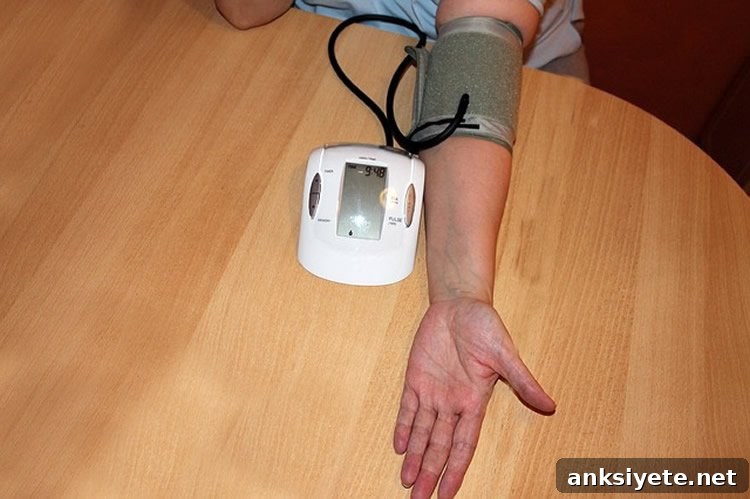
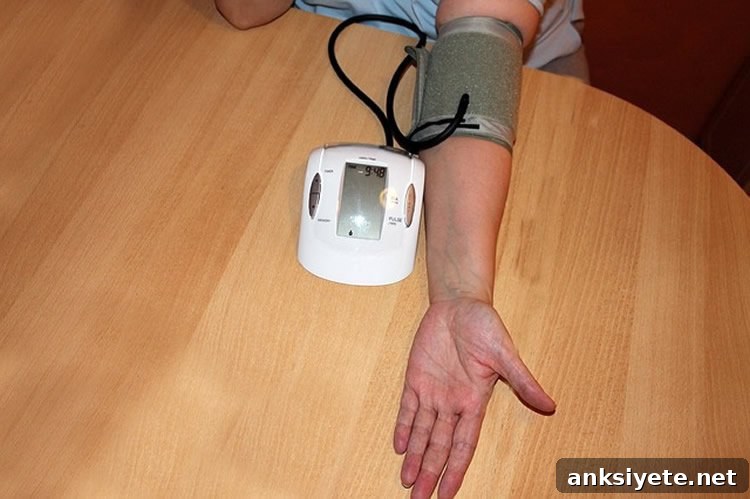
Healthy blood pressure is generally defined as less than 120/80 millimeters of mercury (mmHg). Hypertension is commonly defined as readings above 140/90 mmHg. Systolic pressure—the higher number—measures pressure in the arteries when the heart contracts, while diastolic pressure—the lower number—measures pressure as the heart relaxes between beats.
Study design and participants
The analysis followed 1,288 older adults longitudinally until death, with an average follow-up of eight years and a mean age at death of 89. Blood pressure readings were recorded annually for each participant, and comprehensive neuropathologic autopsies were performed after death. Across the cohort, the average systolic blood pressure was 134 mmHg (standard deviation 13) and the average diastolic blood pressure was 71 mmHg (standard deviation 8). Two-thirds of participants had a prior history of hypertension, and 87% were taking antihypertensive medication. Nearly half (48%) of participants had one or more brain infarcts identified at autopsy.
Main findings
The researchers reported several key associations:
- Higher average systolic blood pressure across the later years was associated with greater odds of having one or more brain infarcts. A person whose average systolic blood pressure was one standard deviation above the cohort mean (about 147 vs. 134 mmHg) had a 46% higher odds of having one or more infarcts.
- The same one–standard-deviation increase in systolic pressure corresponded to a 46% higher odds of having a gross infarct and a 36% higher odds of having microinfarcts. The study estimated that this effect size was roughly equivalent to nine additional years of brain aging for the risk of infarcts.
- A faster decline in systolic blood pressure over time was independently associated with increased odds of brain infarcts, indicating that both elevated blood pressure level and significant late-life decline may relate to cerebrovascular damage.
- Higher average diastolic blood pressure was also associated with brain infarcts: a one–standard-deviation rise in diastolic pressure (from 71 to about 79 mmHg) was linked to a 28% greater risk of infarcts.
- Regarding Alzheimer’s pathology, a higher average late-life systolic blood pressure was associated with a higher number of neurofibrillary tangles at autopsy, but not with amyloid plaques. The tangle association was modest and requires further investigation to understand its implications.
Robustness and limitations
These associations remained after statistical adjustment for potential confounders, including antihypertensive medication use. The investigators noted important limitations: only late-life blood pressure measurements were available (middle-age values were not), and blood pressure was measured once yearly rather than more frequently, which could miss short-term variability.
“While these findings could eventually inform public health guidance on blood pressure management in older adults, additional studies are needed to confirm and extend these observations before changing clinical recommendations,” said Arvanitakis.
Funding: Supported by the National Institutes of Health.
Source and reporting: Renee Tessman, American Academy of Neurology press materials.
Publisher note: Organized by NeuroscienceNews.com. Image noted as public domain.
Original research: Arvanitakis Z, Capuano AW, Lamar M, Shah RC, Barnes LL, Bennett DA, Schneider JA. “Late-life blood pressure association with cerebrovascular and Alzheimer disease pathology,” Neurology. Published July 11, 2018. DOI: 10.1212/WNL.0000000000005951
Abstract (condensed)
Objective: To evaluate whether average and change in late-life blood pressure are associated with cerebrovascular and Alzheimer disease neuropathology in a large, longitudinally followed group of decedents.
Methods: This clinical-pathologic study used data from community-based aging cohorts with annual blood pressure measurements (mean follow-up eight years). Postmortem neuropathologic examinations documented aging-related brain disease. Regression models tested associations of mean and change in systolic and diastolic blood pressure with infarcts and Alzheimer pathology.
Results: Among 1,288 participants (mean age at death 88.6 years; 65% women), higher mean systolic blood pressure and higher mean diastolic blood pressure were each associated with increased odds of brain infarcts. A higher mean systolic blood pressure was also modestly associated with a greater number of neurofibrillary tangles. Steeper declines in systolic blood pressure over time were independently associated with greater odds of infarcts.
Conclusions: Both elevated average late-life blood pressure and decline in systolic blood pressure are associated with increased cerebrovascular pathology, and systolic blood pressure may also relate to certain Alzheimer-type changes. Further research is needed to clarify causal mechanisms and implications for blood pressure management in older adults.