
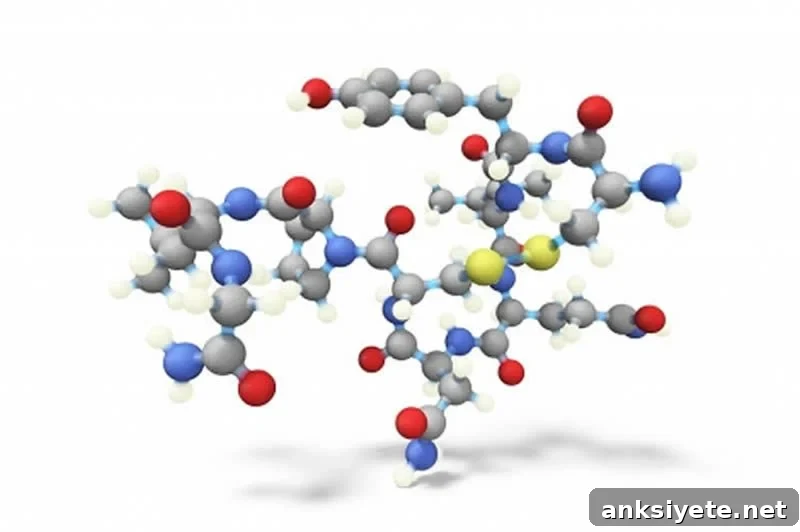
Summary: Adult male participants on the autism spectrum who received intranasal oxytocin for four weeks showed reductions in repetitive behaviors and improved feelings of social attachment that persisted for up to 12 months.
Source: KU Leuven
A research team led by Professor Kaat Alaerts (KU Leuven) enrolled 40 adult men with autism spectrum disorder in this trial.
In the initial phase, the investigators measured the participants’ own oxytocin production and collected self-report questionnaires. According to Professor Alaerts, analysis showed an inverse relationship between oxytocin levels in saliva and self-reported attachment difficulties: participants with lower salivary oxytocin tended to report greater attachment challenges.
In the trial’s second phase, researchers evaluated the longer-term effects of daily intranasal oxytocin. Participants who used oxytocin nasal spray for four weeks experienced notable benefits that lasted well beyond the treatment period, with some effects still detectable up to one year later.
Less repetition, more attachment
“We randomized the 40 men into two groups: an active treatment group and a placebo group,” explains doctoral researcher Sylvie Bernaerts, first author of the published study in Molecular Autism. Participants completed questionnaires at baseline, immediately after the four-week treatment, and at follow-ups four weeks and one year after the end of treatment. These measures assessed core autism symptoms, repetitive behaviors, mood, and attachment-related feelings.
On measures of social interaction, the trial did not find a significant difference between the oxytocin and placebo groups. However, secondary outcomes revealed treatment-specific improvements: men who received oxytocin reported fewer repetitive behaviors and reduced avoidance in close relationships. These self-reported gains were observed both one month and one year after treatment ended.
“Participants who took oxytocin every day for four weeks experienced positive effects that persisted for up to a year. That’s a remarkable result,” Professor Alaerts commented, noting the novelty of long-term follow-up data after repeated oxytocin administration.
In addition to reductions in repetitive behaviors and feelings of avoidance, the study identified treatment-specific increases in self-reported vigor—participants on oxytocin reported feeling more energetic and active than those on placebo. These signals, observed in this pilot trial, suggest areas where oxytocin may have therapeutic potential in autism spectrum disorder (ASD).
Further research necessary
The study included only male participants. The researchers chose this design partly because autism is more commonly diagnosed in men and because hormonal cycles in women could influence oxytocin-related outcomes. Moreover, oxytocin already has medical uses in obstetrics, so trials in women require additional clinical considerations. Given these factors, the team restricted the initial pilot to men to reduce confounding variables.
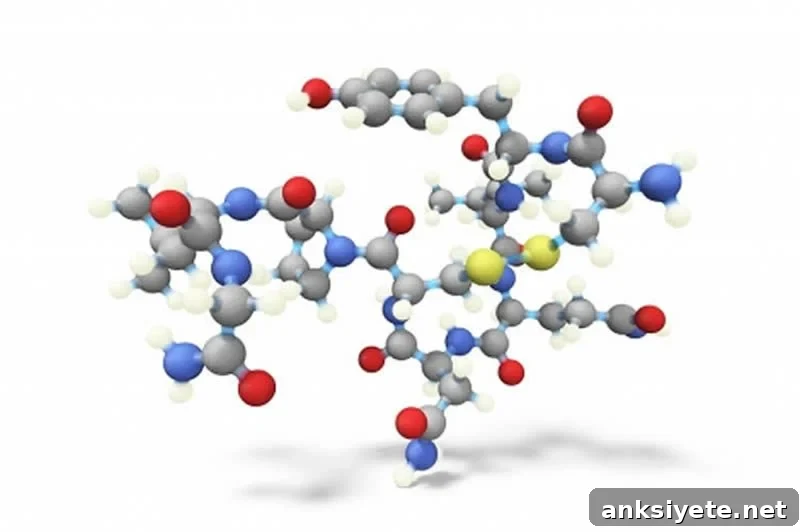
When asked whether oxytocin could be adopted quickly as a treatment for attachment problems or repetitive behaviors in autism, Professor Alaerts urged caution. She emphasized that the findings come from a pilot study and that larger, confirmatory trials are necessary before clinicians can consider oxytocin as a standard therapeutic option for people with ASD.
The project was carried out in collaboration with Professor Jean Steyaert, head of the Leuven Autism Research Consortium. Funding sources included the Branco Weiss Fellowship (ETH Zürich), the Marguerite-Marie Delacroix Foundation, and Research Foundation – Flanders (FWO).
Source:
KU Leuven
Media Contacts:
Kaat Alaerts – KU Leuven
Image Source:
The image is in the public domain.
Original Research: Open access
“Behavioral effects of multiple-dose oxytocin treatment in autism: a randomized, placebo-controlled trial with long-term follow-up.” Sylvie Bernaerts, Bart Boets, Guy Bosmans, Jean Steyaert & Kaat Alaerts. Molecular Autism. DOI: 10.1186/s13229-020-0313-1.
Abstract
Behavioral effects of multiple-dose oxytocin treatment in autism: a randomized, placebo-controlled trial with long-term follow-up
Background
Intranasal administration of the neuropeptide oxytocin, known for its prosocial effects, has been increasingly explored as a potential treatment to target core features of autism spectrum disorder (ASD). However, evidence from long-term follow-up studies that evaluate the persistence of treatment effects is limited.
Methods
This double-blind, randomized, placebo-controlled pilot trial investigated whether four weeks of daily intranasal oxytocin (24 international units each morning) produced lasting behavioral changes in 40 adult men with ASD. Self-report and informant-based questionnaires assessed autism symptoms, repetitive behaviors, mood states, and attachment at baseline, immediately after treatment, and at two follow-up points: four weeks and one year post-treatment.
Results
No treatment-specific effects were detected on the primary social outcome measure (Social Responsiveness Scale), with improvements seen in both oxytocin and placebo groups. However, secondary outcomes showed treatment-specific reductions in self-reported repetitive behaviors and in avoidance-related feelings on attachment measures, with effects lasting up to one year. Oxytocin-treated participants also reported greater vigor on mood screening tools. These findings point to possible long-term benefits of oxytocin on certain behavioral features of ASD.
Conclusions
Although the trial did not demonstrate treatment-specific changes in core social symptoms, the observed long-term reductions in repetitive behaviors and social avoidance are promising. Given the exploratory nature of this pilot study, additional larger and more diverse studies are needed to confirm and extend these results.
Trial registration
Registered with the European Clinical Trial Registry (Eudract 2014-000586-45) on January 22, 2014.