
A study by researchers at the Herbert Irving Comprehensive Cancer Center (HICCC) at NewYork-Presbyterian/Columbia University Medical Center found that nearly one in four women (23 percent) newly diagnosed with breast cancer reported symptoms consistent with post-traumatic stress disorder (PTSD) shortly after diagnosis, with higher risk among Black and Asian women. The research was published in the Journal of the National Cancer Institute.
“This study is one of the first to examine how PTSD symptoms evolve after a breast cancer diagnosis,” said lead author Alfred I. Neugut, MD, PhD, the Myron M. Studner Professor of Cancer Research and professor of medicine and epidemiology at Columbia University’s College of Physicians & Surgeons and Mailman School of Public Health, and a member of the HICCC.
Dr. Neugut explained the study design: “We analyzed interview responses from more than 1,100 women. During the first two to three months after diagnosis, nearly a quarter met criteria for PTSD symptoms, although those symptoms declined over the subsequent three months. Younger women were more likely to report PTSD symptoms, and our data indicate Asian and Black women had more than a 50 percent higher risk than white women.”
The 1,139 participants were enrolled in the Breast Cancer Quality of Care Study (BQUAL). Between 2006 and 2010, women over age 20 with newly diagnosed stage I to III breast cancer were recruited from NewYork-Presbyterian/Columbia University Medical Center and Mount Sinai School of Medicine in New York City; the Henry Ford Health System in Detroit; and Kaiser Permanente in Northern California. Each participant completed three structured telephone interviews: the first interview two to three months after diagnosis (and prior to the third chemotherapy cycle if the patient was receiving chemotherapy), the second at four months after diagnosis, and the third at six months after diagnosis.
The study highlights the psychological impact that a breast cancer diagnosis can produce in the short term and identifies groups at elevated risk for persistent distress. “The ultimate goal of this research is to improve patients’ quality of life,” said Dr. Neugut, who also practices as an oncologist at NewYork-Presbyterian Hospital/Columbia. “If clinicians can identify women at heightened risk for PTSD when they are diagnosed, targeted early prevention and intervention strategies could reduce the severity of PTSD symptoms. Such approaches might also help address racial disparities in breast cancer outcomes.”
Findings like these have broader significance for cancer care. The research team believes the patterns observed may extend to patients diagnosed with other types of cancer; prior studies have reported PTSD symptoms following prostate cancer and lymphoma diagnoses. Recognizing and addressing distress soon after diagnosis may support better emotional recovery, treatment adherence, and overall well-being for cancer patients.
Notes about this PTSD research
The paper is titled “Racial Disparities in Posttraumatic Stress after Diagnosis of Localized Breast Cancer: The BQUAL Study.” Additional contributors include Neomi Vin-Raviv, Grace Clarke Hillyer, Dawn Hershman, Sandro Galea, Nicole Leoce, and Wei-Yann Tsai (Columbia University Medical Center); Dana Bovbjerg (University of Pittsburgh); Lawrence Kushi and Candyce Kroenke (Kaiser Permanente); Lois Lamerato (Henry Ford Health System); Christine Ambrosone (Roswell Park Cancer Institute); Heiddis Valdimarsdottir and Lina Jandorf (Mount Sinai); and Jeanne Mandelblatt (Georgetown University). In addition to Dr. Neugut, Drs. Hershman and Tsai are members of the HICCC.
The study received support from the Department of Defense, the National Cancer Institute, the Breast Cancer Foundation, and the Environmental Health Foundation fellowship (grant numbers: NCI R01 CA100598, NCI R01 CA124924 and CA127617, U10 CA84131 and KO5 CA96940).
The authors declare no financial or other conflicts of interest.
Contact: Elizabeth Streich – Columbia University Medical Center
Source: Columbia University Medical Center press release
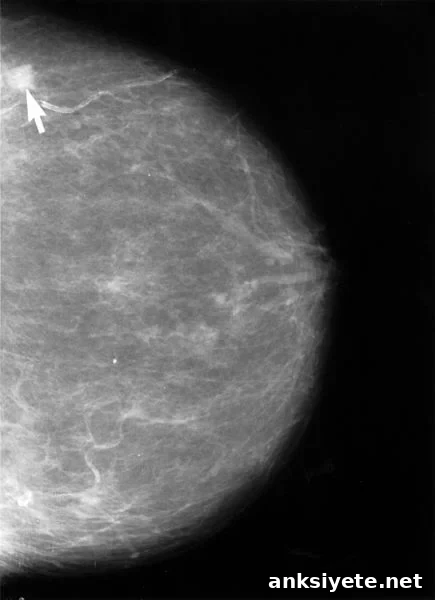
Image Source: Mammogram image credited to the National Cancer Institute (public domain).
Original Research: Abstract for “Racial Disparities in Posttraumatic Stress After Diagnosis of Localized Breast Cancer: The BQUAL Study” by Neomi Vin-Raviv, Grace Clarke Hillyer, Dawn L. Hershman, Sandro Galea, Nicole Leoce, Dana H. Bovbjerg, Lawrence H. Kushi, Candyce Kroenke, Lois Lamerato, Christine B. Ambrosone, Heiddis Valdimarsdottir, Lina Jandorf, Jeanne S. Mandelblatt, Wei-Yann Tsai and Alfred I. Neugut in the Journal of the National Cancer Institute. Published online February 21, 2013 (DOI noted in the original publication).