
Digital brain atlas of aging may improve early detection of Alzheimer’s and other neurodegenerative conditions
Researchers have produced a detailed digital atlas of the ageing human brain that could help clinicians detect early signs of Alzheimer’s disease and other neurodegenerative disorders in older adults. By comparing an individual’s MRI scan to a map of healthy ageing brains, the atlas highlights subtle structural changes that are difficult to spot with standard imaging references based on younger populations.
Most commonly used MRI brain atlases are built from scans of young and middle‑aged adults and therefore do not reflect the normal anatomical variability that occurs with advancing age. To address this gap, a team at the University of Edinburgh developed an atlas from MRI scans of more than 130 healthy older volunteers, creating a baseline of normal age-related brain structure against which patients’ scans can be compared.
The researchers used the atlas to compare scans from normal older subjects and from people diagnosed with Alzheimer’s disease. The atlas identified specific patterns of tissue loss that are characteristic of early Alzheimer’s, including reductions in grey matter within the medial temporal lobe—a region known to be affected early in the disease. Because this tissue loss can be subtle, an age‑appropriate atlas enhances the ability to detect clinically relevant changes that might otherwise be missed.
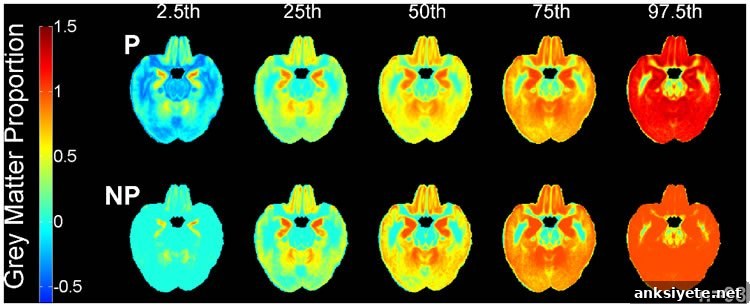
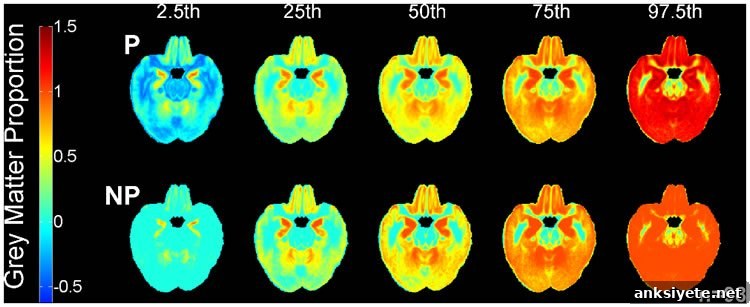
Beyond creating an age‑appropriate MRI atlas, the team considered how statistical methods used to build atlases affect diagnostic classification. They produced two types of atlases from publicly available data: a conventional parametric atlas (mean ± standard deviation) and a nonparametric, rank‑order atlas, each derived from the same set of normal ageing brains. The research included 138 normal subjects and 138 people diagnosed with Alzheimer’s disease, all aged between 55 and 90 years, enabling a direct comparison of how each atlas classifies brain tissue in patients.
Key findings showed that parametric atlases can be misleading when applied to older populations because brain imaging measures from older adults often deviate from the Gaussian assumptions that underpin parametric methods. In some brain regions the parametric approach produced physiologically implausible lower limits (for example, negative values for proportions of grey matter). As a result, for roughly half of the Alzheimer’s cases studied, between 25% and 45% of voxels were labeled as within the normal range by the parametric atlas, yet the same voxels were identified as abnormal by the nonparametric atlas. The voxels reclassified by the nonparametric atlas tended to cluster in the frontal and occipital lobes.
The authors conclude that nonparametric atlases more accurately capture the limits of normal brain structure in older populations, particularly when the goal is to detect deviations associated with ageing or neurodegenerative disease. Parametric atlases remain useful for estimating central tendencies, like average structure, but nonparametric methods are preferable for defining the boundaries of normal variability in later life.
The team is expanding this work through the Brain Imaging in Normal Subjects (BRAINS) initiative, which aims to build MRI atlases across the lifespan and improve the detection of brain damage related to diverse conditions such as schizophrenia and complications of preterm birth. The researchers emphasize that the continued collection of scans from healthy older adults and collaboration between imaging centres to create large, shared image banks will be essential for making these atlases reliable and clinically useful.
The study was published in PLOS ONE and was principally supported by the Scottish Funding Council, the Scottish Imaging Network: A Platform for Scientific Excellence (SINAPSE), and the Medical Research Council. Dr David Alexander Dickie of the University of Edinburgh’s Brain Research Imaging Centre and SINAPSE, lead author of the study, said the preliminary results are promising: digital MRI atlases tailored to older brains could become an important tool for supporting earlier diagnoses of Alzheimer’s and related conditions, and earlier diagnoses remain one of the most effective strategies against these diseases.
Funding: Scottish Funding Council, SINAPSE, and the Medical Research Council.
Source: Corin Campbell – University of Edinburgh
Image credit: Dickie et al., PLOS ONE
Original research: Use of Brain MRI Atlases to Determine Boundaries of Age‑Related Pathology: The Importance of Statistical Method by David Alexander Dickie, Dominic E. Job, David Rodriguez Gonzalez, Susan D. Shenkin, and Joanna M. Wardlaw. Published in PLOS ONE, May 2015.