
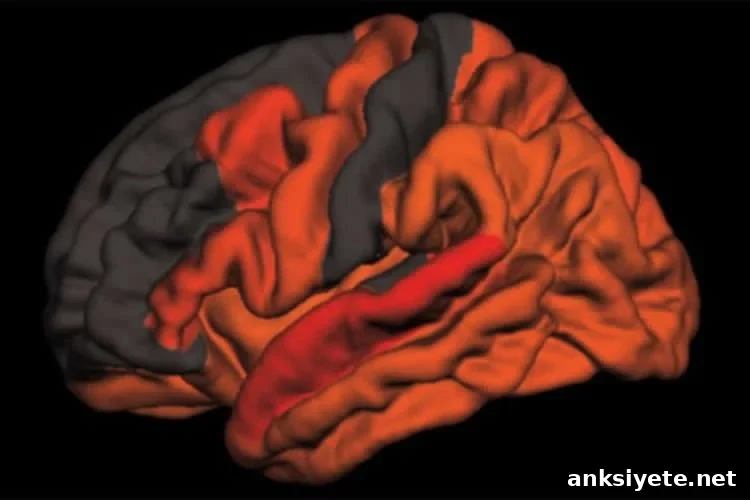
Summary: A new study finds that poor quality sleep in older adults, specifically reductions in slow-wave (deep) sleep, is associated with higher levels of the brain protein tau—an early marker of Alzheimer’s disease. The researchers suggest that changes in sleep quality later in life may signal declining brain health and could serve as an early indicator of Alzheimer’s disease risk.
Source: WUSTL
Poor Sleep and Alzheimer’s: New Evidence Connecting Deep Sleep Loss and Tau
Poor sleep is a common feature of Alzheimer’s disease: people with the condition often report nonrestorative nights and daytime tiredness that tends to worsen as memory and cognitive symptoms progress. Yet the mechanisms linking disturbed sleep to Alzheimer’s disease have not been fully clarified.
Researchers at Washington University School of Medicine in St. Louis report that older adults who experience reduced slow-wave sleep—the deep sleep stage important for memory consolidation and restorative rest—also show higher levels of tau protein in the brain. Elevated tau is a hallmark of Alzheimer’s disease and has been associated with neurodegeneration and cognitive decline.
Published January 9 in Science Translational Medicine, the study indicates that poor-quality sleep in later life may be a useful indicator of incipient brain pathology, and that monitoring sleep patterns could help identify people at risk for Alzheimer’s disease earlier than clinical symptoms alone.
“We found an inverse relationship between decreased slow-wave sleep and increased tau even among people who were cognitively normal or only very mildly impaired,” said Brendan Lucey, MD, assistant professor of neurology and director of the Washington University Sleep Medicine Center and first author on the study. “Measuring sleep quality may offer a noninvasive way to screen for Alzheimer’s disease before or as cognitive problems first appear.”
How Alzheimer’s Pathology Develops and Where Sleep Fits In
The pathological changes that lead to Alzheimer’s disease develop long before symptoms become apparent. Amyloid-beta begins to accumulate in the brain years—often decades—before noticeable memory loss, followed later by the spread of tau protein tangles and regional brain atrophy. Identifying people in the window where pathology is present but clinical symptoms are minimal is crucial for early intervention.
Sleep is emerging as a promising marker of this early period. Prior animal and human studies linked declines in non–rapid eye movement (NREM) slow-wave activity with amyloid accumulation. The current study extends those findings by associating reduced NREM slow-wave sleep specifically with tau pathology in older adults.
Study Design and Key Findings
The team recruited 119 adults aged 60 and older through the Charles F. and Joanne Knight Alzheimer’s Disease Research Center. Approximately 80 percent of participants were cognitively normal and the remainder were very mildly impaired. Participants wore a portable, single-channel EEG device on the forehead to record sleep brain waves at home for a typical week, along with a wrist-worn sensor to track movement and sleep logs documenting nighttime sleep and daytime napping. Each person provided at least two nights of sleep data and up to six nights for some participants.
To measure Alzheimer’s-related pathology, researchers obtained levels of amyloid-beta and tau using PET brain scans and cerebrospinal fluid (CSF) analysis. Thirty-eight participants underwent PET imaging, 104 had lumbar punctures for CSF measurements, and 27 completed both procedures.
After adjusting for age, sex and movement during sleep, the investigators observed that lower amounts of slow-wave sleep were linked to higher tau levels in the brain and a higher tau-to-amyloid ratio in CSF. Importantly, overall sleep duration did not explain the relationship—participants with greater tau pathology often slept longer at night and napped more during the day but experienced poorer sleep quality characterized by reduced slow-wave activity.
“It’s the quality of sleep—specifically slow-wave sleep—that correlated with tau, not simply how long people slept,” Lucey said. “Daytime napping alone was also associated with higher tau, suggesting that simple clinical questions about napping habits could help identify individuals who might benefit from further evaluation.”
Implications and Future Directions
The findings suggest that tracking slow-wave sleep could become a practical, noninvasive supplement to existing methods for identifying early Alzheimer’s pathology. While sleep monitoring is unlikely to replace brain imaging or CSF analysis, it could serve as an affordable screening tool to flag individuals for more detailed testing and longitudinal follow-up.
“Sleep habits are easy to monitor over time,” Lucey added. “If a person’s sleep quality begins to change—particularly loss of deep slow-wave sleep—that might prompt clinicians to investigate underlying brain changes earlier than they otherwise would.”
Funding: Supported by the National Institutes of Health, the Ellison Medical Foundation, the Willman Scholar Fund, the Foundation for Barnes-Jewish Hospital, and the American Sleep Medicine Foundation.
Source: Diane Duke Williams, Washington University School of Medicine
Publisher: Organized by NeuroscienceNews.com
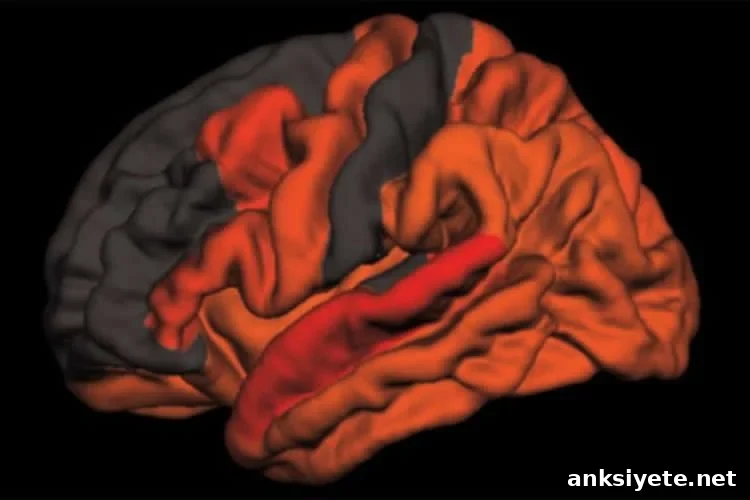
Image credit: Brendan Lucey
Original research: “Reduced non–rapid eye movement sleep is associated with tau pathology in early Alzheimer’s disease,” by Brendan P. Lucey et al., published January 9, 2019, in Science Translational Medicine. doi: 10.1126/scitranslmed.aau6550