
 Have you ever been told you need to speak up?
Do you often agree with others to avoid conflict, even when it goes against your best interests?
If so, you may be struggling with assertiveness — the ability to express your needs, set boundaries, and communicate clearly while respecting others.
Assertiveness training helps people who find it difficult to advocate for themselves. It typically begins by building self-esteem and confidence, and it also emphasizes emotional awareness so relationships become more fulfilling and secure (Parray & Kumar, 2017).
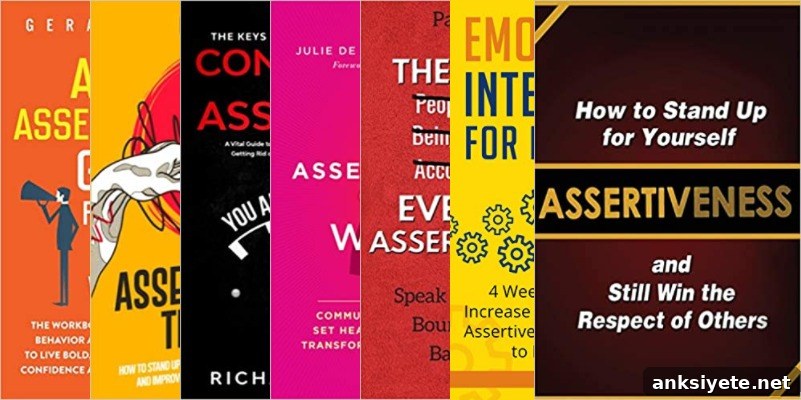
This article presents a curated list of books and workbooks that explain assertive communication, offer practical exercises, and provide strategies you can apply in everyday life to become more assertive.
This Article Contains:
- 8 Assertiveness Books
- Top 4 Workbooks for Assertiveness Training
- Practical Resources and Tools
- A Take-Home Message
- References
8 Assertiveness Books
Below is a concise selection of eight books that cover assertiveness theory, practical strategies, and exercises. Each summary highlights the book’s focus so you can choose the ones that best meet your needs.
1. The Keys to Being Brilliantly Confident and More Assertive – Richard Banks
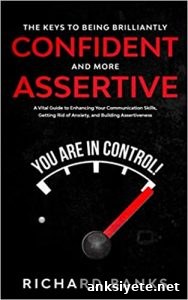
This book defines assertiveness clearly and breaks down practical techniques for becoming more confident and communicative. It focuses on reducing discomfort in conversations, managing difficult exchanges, and handling conflict constructively. The clear headings and actionable steps make it well suited for people facing social or socio-emotional challenges who want to gain confidence in social settings.
Available on Amazon and other major retailers.
2. Alpha Assertiveness Guide for Men and Women – Gerard Shaw
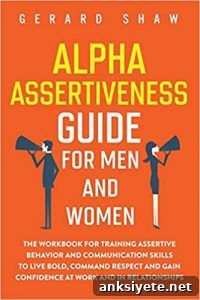
This guide helps readers become comfortable asking for what they want and setting limits. It includes a self-assessment to identify your natural communication style and highlights personal strengths. A major emphasis is teaching readers how to say “no” effectively—from direct refusals to softer, situational responses. Ideal for people overwhelmed by responsibilities who want to match assertive responses to their personality.
3. The Assertiveness Guide for Women – Julie De Azevedo Hanks
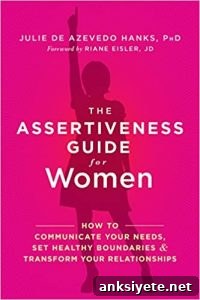
This book addresses challenges many women face when developing assertiveness, especially when anxiety or avoidance gets in the way. It introduces evidence-based approaches such as mindfulness, Cognitive-Behavioral Therapy (CBT), and Dialectical Behavior Therapy (DBT). By describing communication styles (passive, aggressive, passive-aggressive) and teaching emotional awareness, the book helps readers break cycles of regret and speak up more confidently.
4. The Art of Everyday Assertiveness: Speak Up. Say No. Set Boundaries. Take Back Control. – Patrick King
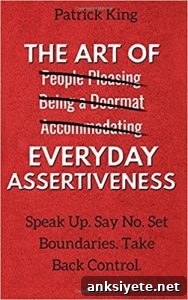
Written by a life coach and former people-pleaser, this book offers a 28-day Assertiveness Action Plan. Readers track people-pleasing behaviors—like over-apologizing and over-compliance—and set goals to change them. The author encourages examining subconscious patterns and the origins of people-pleasing so readers can rebuild healthier habits and stronger self-worth.
5. Assertiveness: How to Stand Up for Yourself and Still Win the Respect of Others – Judy Murphy
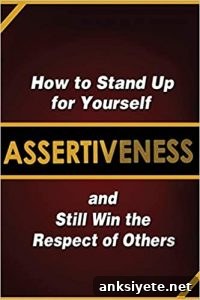
A straightforward, easy-to-read introduction to assertive behavior. Murphy offers a simple classification tool for labeling behaviors as passive or assertive, plus practical strategies for group and one-on-one situations. This book is especially helpful as a short primer for teenagers and young adults wanting an accessible introduction to asserting themselves respectfully.
6. Assertiveness: How to Be Strong in Every Situation – Conrad Potts and Suzanne Potts
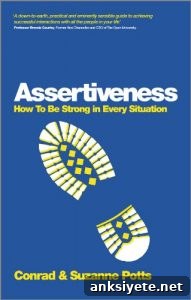
This practical guide organizes chapters by real-life situations—workplace negotiations, family favors, and social commitments—and offers examples, strategies, and activities tailored to each context. The situation-based layout makes it easy to find relevant techniques for everyday assertiveness challenges.
7. Emotional Intelligence for Leadership – Jonatan Slane
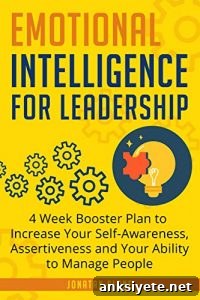
Targeted at leaders, this book presents a four-week plan to build emotional intelligence and assertiveness. It links emotional self-awareness to professional success and argues that emotionally intelligent employees often advance faster than those who rely solely on cognitive ability. Useful for managers and professionals who want to combine assertiveness with positive leadership skills.
8. Assertiveness Training: How to Stand Up for Yourself, Boost Your Confidence, and Improve Assertive Communication Skills – Chase Hill
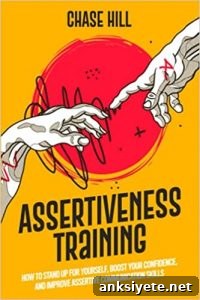
Hill’s approach helps readers identify barriers—such as passive tendencies and people-pleasing—and develops emotional control and self-awareness to overcome anxiety-driven hesitation. Skills taught in this book promote healthier boundaries and more confident, productive interactions.
Top 4 Workbooks for Assertiveness Training
Workbooks provide step-by-step activities, scripts, and exercises that make practicing assertiveness practical and measurable. The following workbook titles include diagnostics, goal-setting tools, and role-play prompts designed to help you build assertive habits.
1. The Assertiveness Workbook – Dena Michelli
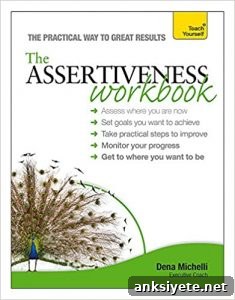
This workbook emphasizes active learning by asking readers to identify their preferred learning style and select activities that match. It includes diagnostic tools, goal charts, and exercises that make practice consistent and tailored to your strengths.
2. The Assertiveness Workbook – Randy J. Paterson
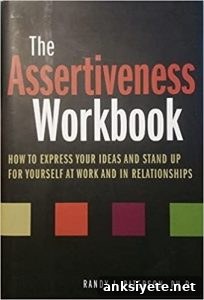
Paterson combines workplace and relationship scenarios with CBT-informed exercises. Readers are guided to list triggers, predict reactions, and challenge all-or-nothing thinking that contributes to passivity. This workbook is particularly useful alongside therapy for anxiety-prone individuals.
3. Assertiveness Workbook – Shandelle Hether-Gray
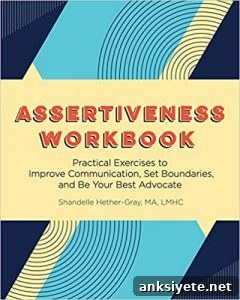
Hether-Gray focuses on how communication styles affect confidence and provides practice scripts to use with a therapist, friend, or alone. The scripted dialogues make this workbook practical for people with social anxiety who need a safe way to rehearse assertive responses.
4. Cool, Calm, and Confident: A Workbook to Help Kids Learn Assertiveness Skills – Lisa M. Schab
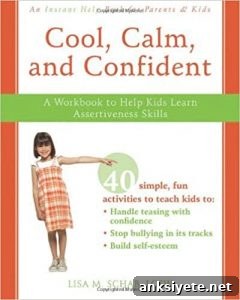
Designed for children and parents, this workbook teaches simple distinctions between passive and aggressive behavior, offers strategies to discourage teasing, and introduces self-regulation techniques for anger and anxiety. It’s a solid resource for helping kids build resilience and stand up to bullying.
Practical Resources and Tools
In addition to books and workbooks, practical worksheets and short activities can accelerate skill development. Below are four useful resource types you can search for on practitioner or educational resource sites:
- Assertive Communication worksheet — outlines characteristics of aggressive, assertive, and passive communication for quick comparison and reflection.
- Talk Assertively templates — sample phrases and statements to use in a variety of situations to communicate more clearly.
- Assertiveness Obstacles worksheet — common psychological barriers are identified and challenged so you can practice assertive responses despite doubts.
- Self-Evaluation Questions for Assertiveness — a simple yes/no checklist to help you decide whether assertiveness training could benefit you.
There are also articles that define assertiveness from a psychological perspective, explain how to apply assertive communication with children, and offer examples you can adapt for training, coaching, or self-practice.
A Take-Home Message
Assertiveness is a learnable skill that helps you express needs clearly, set boundaries, and reduce negative emotions tied to unresolved conflict. It is distinct from aggression: assertiveness aims to communicate confidently without harming others or provoking unnecessary hostility.
Investing time in books, workbooks, and short exercises can build emotional awareness, reduce anxiety in social interactions, and improve relationships at home and at work. Start with one practical exercise today—practice a short assertive script or set a small boundary—and build from there. You deserve to be heard and respected.
References
- Banks, R. (2020). The keys to being brilliantly confident and more assertive: A vital guide to enhancing your communication skills, getting rid of anxiety, and building assertiveness. Author.
- de Azevedo Hanks, J. (2016). The assertiveness guide for women: How to communicate your needs, set healthy boundaries, and transform your relationships. New Harbinger.
- Hether-Gray, S. (2020). Assertiveness workbook: Practical exercises to improve communication, set boundaries, and be your best advocate. Rockridge Press.
- Hill, C. (2020). Assertiveness training: How to stand up for yourself, boost your confidence, and improve assertive communication skills. Author.
- King, P. (2018). The art of everyday assertiveness: Speak up. Say no. Set boundaries. Take back control. Author.
- Michelli, D. (2013). The assertiveness workbook. Teach Yourself.
- Murphy, J. (2011). Assertiveness: How to stand up for yourself and still win the respect of others. Author.
- Parray, W. M., & Kumar, S. (2017). Impact of assertiveness training on the level of assertiveness, self-esteem, stress, psychological well-being and academic achievement of adolescents. Indian Journal of Health and Well-being, 8(12), 1476–1480.
- Paterson, R. J. (2000). The assertiveness workbook. New Harbinger.
- Potts, C., & Potts, S. (2013). Assertiveness: How to be strong in every situation. Capstone.
- Schab, L. M. (2009). Cool, calm and confident: A workbook to help kids learn assertiveness skills. Instant Help.
- Shaw, G. (2020). Alpha assertiveness guide for men and women: The workbook for training assertive behavior and communication skills to live bold, command respect and gain confidence at work and in relationships. Communication Excellence.
- Slane, J. (2019). Emotional intelligence for leadership: 4 Week booster plan to increase your self-awareness, assertiveness and your ability to manage people at work. Sophie Dalziel.