
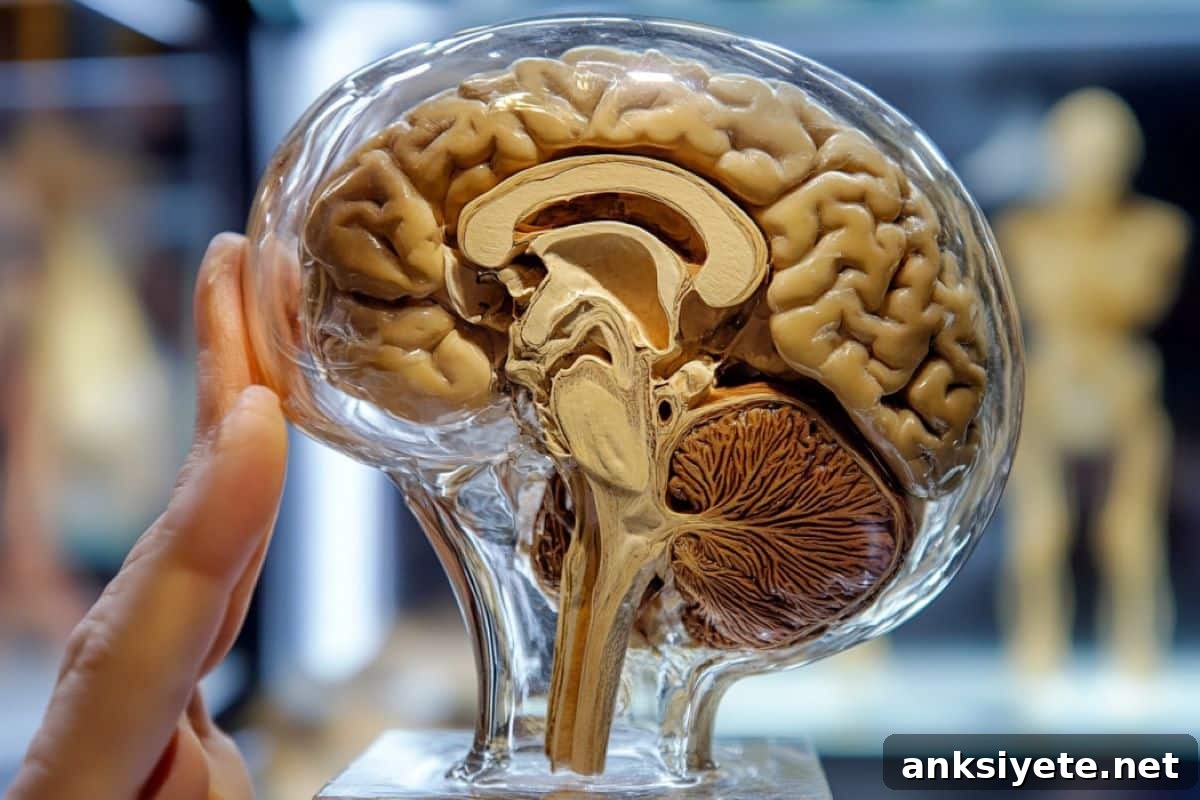
Summary: New research indicates that cannabis use during adolescence may be linked to thinning of the cerebral cortex, a brain region vital for learning, decision-making, and social behavior. The study shows that THC (tetrahydrocannabinol), the primary psychoactive compound in cannabis, can reduce the complexity of dendritic arbors—the branching structures that enable neurons to receive and process information—potentially impairing neural communication during a sensitive period of brain maturation.
The findings combine human imaging and experimental animal work to provide converging evidence that cannabis exposure in adolescence can alter brain structure. These alterations could affect cognitive and social functioning and highlight the importance of understanding how rising cannabis use and higher THC concentrations might influence youth brain development.
Key facts:
- Exposure to THC is associated with thinning in regions of the cerebral cortex in adolescents.
- THC exposure reduces dendritic complexity and spine density in neurons, which impairs connections between brain cells.
- Such structural changes may affect learning, memory, social interaction, and the capacity to adapt to new situations during adolescence.
Source: University of Montreal
Study overview
A team led by Graciela Pineyro and Tomas Paus at CHU Sainte-Justine and Université de Montréal combined complementary approaches to investigate how cannabis-related compounds affect the adolescent brain. Their work connects molecular changes observed in an animal model with structural brain differences seen in human adolescents who experimented with cannabis before age 16.
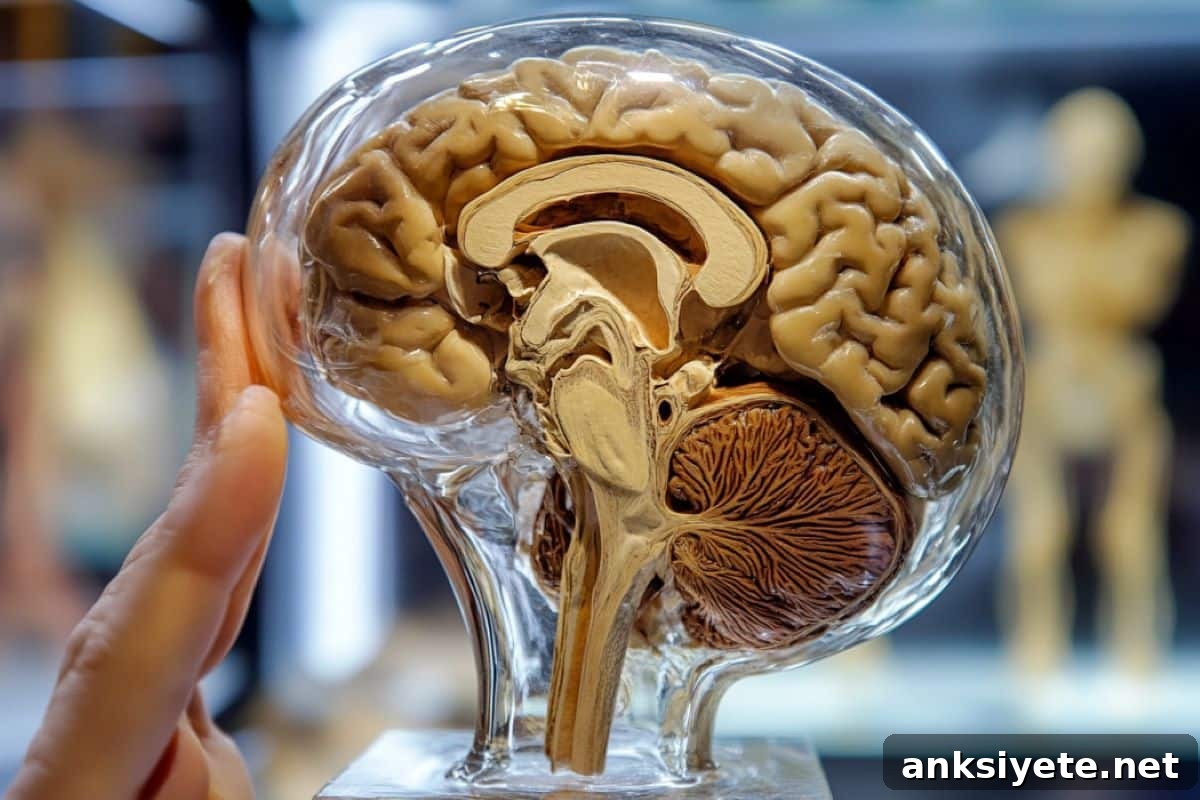
In mice, THC exposure altered the expression of genes involved in synapse structure and dendritic development, producing measurable reductions in dendritic arborization and spine density in pyramidal neurons. Those cellular-level changes are consistent with the regional cortical thinning observed in human adolescent MRI scans, suggesting a plausible biological pathway linking cannabis exposure to macroscopic brain differences.
A multi-level research design
The study used a multi-level design to bridge population imaging and cellular biology. Magnetic resonance imaging (MRI) analyses compared cortical thickness across 34 brain regions between adolescents who tried cannabis before age 16 and those who did not. Separately, adolescent male mice were exposed to Δ-9-tetrahydrocannabinol (THC) or a synthetic cannabinoid, and researchers measured gene expression, dendritic complexity, and spine counts in the frontal cortex.
By mapping the spatial expression of genes altered in THC-exposed mice to human brain regions showing cannabis-related cortical thinning, the researchers identified overlapping gene sets. These genes showed coexpression with markers of specific cell types—astrocytes, microglia, and a class of pyramidal neurons enriched in dendrite-regulating genes—supporting a plausible cellular mechanism for the observed imaging findings.
Gene ontology analysis further linked the affected genes to processes such as neuron projection development, learning, and memory. In the mouse experiments, THC-exposed animals displayed both spine loss and reduced dendritic branching in pyramidal cells—changes that could underlie reduced cortical thickness measured by MRI.
Although MRI alone cannot establish causality, integrating animal experiments with human imaging data strengthens the case that THC exposure during adolescence can influence synaptic and dendritic architecture and thereby contribute to region-specific cortical thinning.
With adolescent cannabis use increasing in North America and commercial products often containing higher THC concentrations, these findings underscore the need for more research on how cannabis affects brain maturation, cognition, and behavior. The collaborative study draws on advanced cellular and molecular biology techniques, imaging, and bioinformatics to inform potential public health responses.
About this research news
Author: Julie Gazaille
Source: University of Montreal
Contact: Julie Gazaille – University of Montreal
Image: The image is credited to Neuroscience News
Original research: Closed access. “Cells and Molecules Underpinning Cannabis-Related Variations in Cortical Thickness during Adolescence” by Graciela Pineyro et al., Journal of Neuroscience
Abstract (summary)
The study addresses how adolescent cannabis experimentation relates to individual differences in brain maturation by combining animal and human data. In adolescent male mice, exposure to Δ-9-THC or a synthetic cannabinoid produced differentially expressed genes (DEGs), reduced dendritic complexity, and lower spine numbers in frontal cortex neurons. In parallel, MRI comparisons in human male adolescents showed cortical thickness differences across 34 brain regions between those who experimented with cannabis before age 16 (n = 140) and those who did not (n = 327). Spatial correlations linked human homologs of mouse DEGs to the cortical thickness variations, with implicated genes coexpressed alongside markers of astrocytes, microglia, and a pyramidal cell subtype involved in dendritic regulation. Gene ontology results implicated neuron projection development and processes related to learning and memory. The combined evidence suggests that adolescent cannabis exposure may influence cortical thickness by impacting glutamatergic synapses and dendritic arborization.