
Epigenetic changes detectable in maternal blood during pregnancy may predict postpartum depression
New research indicates that specific epigenetic modifications — chemical changes that affect gene activity without altering the DNA sequence — can be identified in the blood of pregnant women at any trimester. These markers may help predict the risk of postpartum depression weeks after delivery, offering a potential early-warning test and a window for intervention before symptoms become severe.
The results come from a small clinical study of 52 pregnant women and are reported in the journal Molecular Psychiatry.
“Postpartum depression can cause serious harm to both mother and child,” says study leader Zachary Kaminsky, Ph.D., assistant professor of psychiatry and behavioral sciences at Johns Hopkins University School of Medicine. “We currently lack a reliable prenatal screening tool for this condition. A blood-based biomarker test could change that.”
Postpartum depression is characterized by persistent sadness, hopelessness, severe fatigue and anxiety that typically begins within four weeks after childbirth and can last for weeks, months or even up to a year. Estimates suggest that 10 to 18 percent of new mothers experience postpartum depression, with rates rising to 30–35 percent among women who have a prior mood disorder diagnosis. Although dramatic hormonal shifts after delivery — such as a drop in estrogen — were long suspected contributors, studies have shown that estrogen levels alone do not reliably distinguish women who become depressed from those who do not.
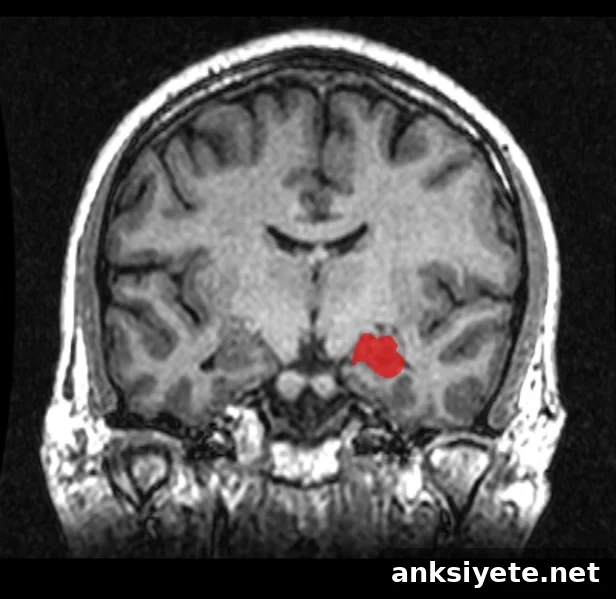
Guided by animal studies, the Johns Hopkins team hypothesized that estrogen triggers epigenetic changes in cells of the hippocampus, a brain region involved in mood regulation and stress response. Using those findings as a starting point, the researchers developed a statistical model to prioritize candidate genes likely to undergo estrogen-responsive epigenetic modifications and therefore serve as potential predictors of postpartum depression.
The model highlighted two genes — TTC9B and HP1BP3 — previously little studied but implicated in hippocampal activity. The investigators suggest these genes may play roles in the production of new cells in the hippocampus and in the brain’s capacity to adapt and reorganize when faced with new environments, functions that are closely tied to mood stability. In some contexts, estrogen appears to have antidepressant-like effects, so altered sensitivity to the hormone may increase vulnerability to mood disturbances after childbirth.
To validate the model in humans, the team analyzed DNA methylation — a common epigenetic mark — across thousands of genes in blood samples collected from 52 pregnant women diagnosed with mood disorders. The samples were obtained and the cohort monitored by Jennifer L. Payne, M.D., director of the Johns Hopkins Women’s Mood Disorders Center. The women were followed through pregnancy and after delivery to determine who developed postpartum depression.
The study found that women who later experienced postpartum depression showed stronger epigenetic changes in genes known to be responsive to estrogen, implying heightened sensitivity to the hormone’s effects. Specifically, methylation patterns in TTC9B and HP1BP3 were most strongly associated with postpartum depression, predicting the condition with approximately 85 percent certainty in this cohort.
“We were surprised at how well these gene markers correlated with postpartum depression in this initial sample,” Kaminsky says. “With further validation, a biomarker panel like this could become a powerful clinical tool.”
Planned next steps include testing the markers in a larger and more diverse group of pregnant women and extending follow-up periods. Researchers also intend to explore whether similar epigenetic signatures appear in the children born to mothers who develop postpartum depression.
Early detection and treatment of postpartum depression can reduce long-term harm. Identifying women at elevated risk during pregnancy would enable clinicians to consider preventive measures, monitor symptoms more closely, and discuss treatment options — including the risks and benefits of antidepressant use during pregnancy — so that decisions are better informed for both mother and baby.
Research indicates that untreated postpartum depression can negatively affect a child’s mental, physical and behavioral development as well as the mother’s health and safety, underscoring the importance of timely identification and care.
“If you knew you were likely to develop postpartum depression, you could make clearer, more informed decisions about managing your care,” Kaminsky adds.
Notes about this genetics and postpartum depression research
The study received funding from the Solomon R. & Rebecca D. Baker Foundation, the National Institute of Mental Health (grants MH093967 and K23 MH074799-01A2), and the NARSAD 2010 Young Investigator Award. The investigators have filed a provisional patent application concerning DNA methylation biomarkers linked to postpartum depression.
Contributors to the work include J. Guintivano, M. Arad, T. D. Gould, J. L. Payne and Z. A. Kaminsky, with Jerry Guintivano of Johns Hopkins’ Mood Disorders Center among the co-authors.
Contact: Stephanie Desmon — Johns Hopkins Medicine
Source: Johns Hopkins Medicine press release
Image Source: MRI image showing the hippocampus location is in the public domain.
Original Research: Abstract for “Antenatal prediction of postpartum depression with blood DNA methylation biomarkers” by J. Guintivano, M. Arad, T. D. Gould, J. L. Payne and Z. A. Kaminsky in Molecular Psychiatry. Published online May 21, 2013, doi:10.1038/mp.2013.62