
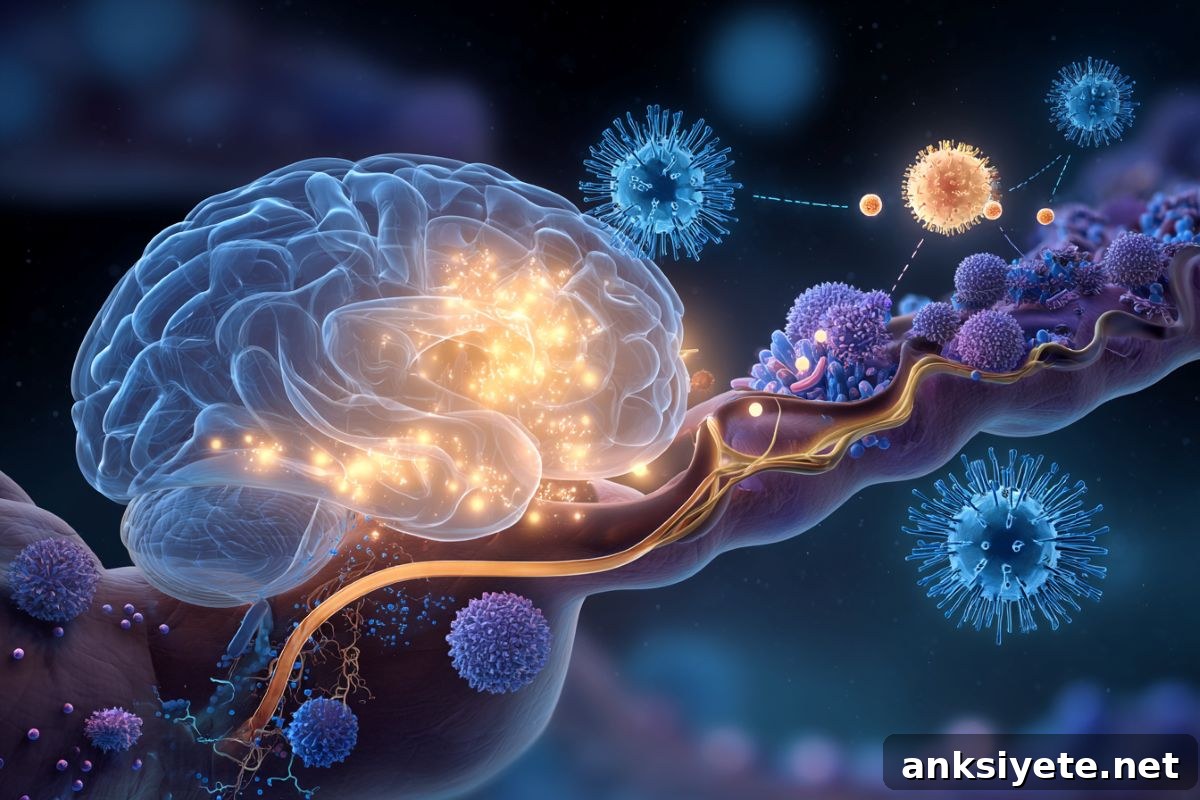
Summary: Researchers have identified a decisive link between the gut microbiota, the immune system, and autism spectrum disorder (ASD). In a germ-free genetic mouse model, removing gut microbes reduced autism-like behaviors and lowered markers of brain inflammation, indicating that microbes can play a dominant role in driving symptoms.
The team also demonstrated that gut microbes shape the balance between glutamate and GABA, two neurotransmitters that regulate brain excitability. A probiotic strain, Limosilactobacillus reuteri IMB015, corrected this imbalance, reduced neuroinflammation, and improved behavioral measures in mice, pointing to probiotics as a potential therapeutic avenue for ASD.
Key Facts
- Microbial Influence: Germ-free ASD mice displayed fewer autism-associated behaviors, implicating gut microbes as a major contributor.
- Immune Connection: Brain-resident CD4+ T cells and neuroinflammation were identified as drivers of ASD-like behaviors.
- Probiotic Intervention: L. reuteri IMB015 reduced the glutamate/GABA ratio, lowered inflammation, and improved behavioral outcomes in mouse models.
Source: POSTECH / ImmunoBiome
Prevalence: Autism spectrum disorder is projected to affect about 1 in 31 children in the United States by 2025. Reported prevalence in several East Asian countries, including South Korea, Singapore, and Japan, may be even higher.
Despite rising prevalence, the causes of ASD remain incompletely understood and there are currently no definitive cures. This new study clarifies a multi-layered mechanism connecting gut microbes, immune cells, metabolic signals, and brain function in a genetic mouse model of ASD.
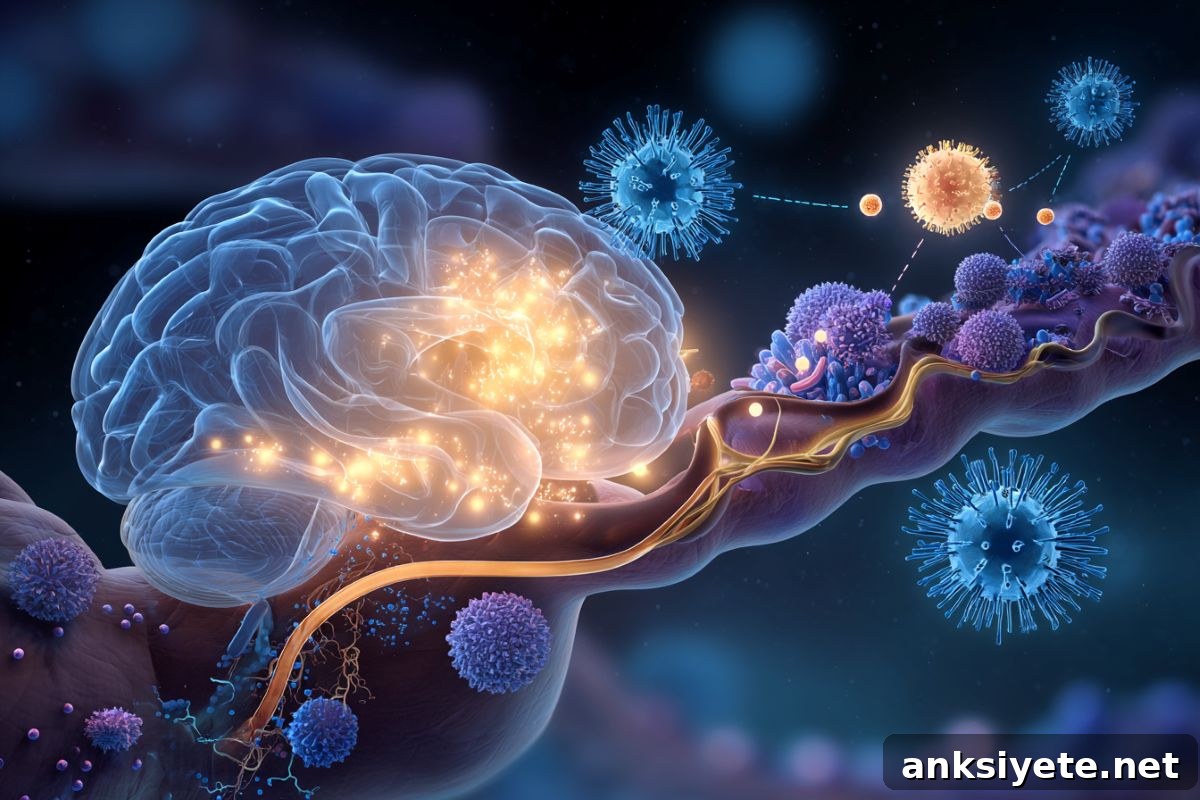
The research, led by Professor Sin-Hyeog Im of POSTECH and ImmunoBiome in Korea, with collaborators including Dr. John C. Park and Prof. Tae-Kyung Kim, was published in the July issue of Nature Communications. The investigators created the first germ-free (GF) BTBR mouse model—an established genetic model for ASD—to isolate the contributions of host genetics, gut microbial communities, microbial metabolites, and immune responses to ASD-related behaviors.
When the BTBR mice were raised germ-free, they exhibited markedly reduced ASD-associated behaviors compared with conventionally colonized counterparts. The absence of gut microbes also correlated with reduced neuroinflammation, notably fewer inflammatory microglia and a diminished population of brain-resident CD4+ T cells. Depleting CD4+ T cells experimentally similarly lowered neuroinflammatory markers and improved behavioral phenotypes, supporting a gut–immune–brain signaling pathway in ASD pathology.
Using 16S rRNA sequencing and large-scale metabolomics, the team identified specific microbial and metabolic alterations linked to ASD-related behaviors. A recurring finding was a disrupted balance between glutamate (an excitatory neurotransmitter) and GABA (an inhibitory neurotransmitter). An elevated glutamate/GABA ratio is likely to affect neuronal excitability and behavior, and was associated with the presence of particular gut microbes and metabolites such as 3-hydroxyglutaric acid.
To translate these mechanistic insights into a therapeutic approach, ImmunoBiome employed an in silico metabolite-prediction model to identify probiotic strains capable of rebalancing relevant metabolites. One candidate, Limosilactobacillus reuteri IMB015, was selected for its predicted capacity to import glutamate and produce GABA. In treated ASD-model mice, IMB015 lowered the glutamate/GABA ratio, reduced markers of neuroinflammation, and improved social and repetitive-behavior endpoints.
Based on these preclinical results, ImmunoBiome plans to develop IMB015 as a live biotherapeutic product for ASD. Next steps include comprehensive preclinical toxicity testing and progression to clinical trials to evaluate safety and efficacy in humans. The researchers emphasize that while the mouse data are encouraging, clinical studies are necessary to confirm benefits and determine appropriate dosing, delivery, and patient selection.
About this autism research news
Author: Sin-Hyeog Im
Source: POSTECH / ImmunoBiome
Contact: Sin-Hyeog Im – POSTECH
Image credit: Neuroscience News
Original Research (open access): “Gut microbiota and brain-resident CD4+ T cells shape behavioral outcomes in autism spectrum disorder” by Sin-Hyeog Im et al., Nature Communications.
Abstract
Gut microbiota and brain-resident CD4+ T cells shape behavioral outcomes in autism spectrum disorder
Autism spectrum disorder (ASD) is a neurodevelopmental condition marked by changes in social interaction, repetitive behaviors, and anxiety-like traits. Although evidence increasingly implicates gut–brain interactions in ASD, the precise mechanisms remain unclear.
To investigate these mechanisms, the researchers developed a germ-free BTBR mouse model. Male GF-BTBR mice showed reduced ASD-like behaviors and a decrease in inflammatory brain-resident CD4+ T cells. Experimental depletion of CD4+ T cells also reduced neuroinflammation and improved behavioral measures, supporting a gut–immune–brain axis in ASD.
The study identified microbial and metabolic regulators associated with ASD, particularly those affecting the glutamate/GABA balance and metabolites like 3-hydroxyglutaric acid. Using an in silico metabolite prediction model, the team proposed Limosilactobacillus reuteri IMB015 as a probiotic candidate. Administration of IMB015 in ASD-model mice lowered the glutamate/GABA ratio, reduced neuroinflammation, and improved behavior. These results outline a mechanism by which gut microbes and their metabolites influence brain-resident immune cells and behavioral outcomes in ASD.