
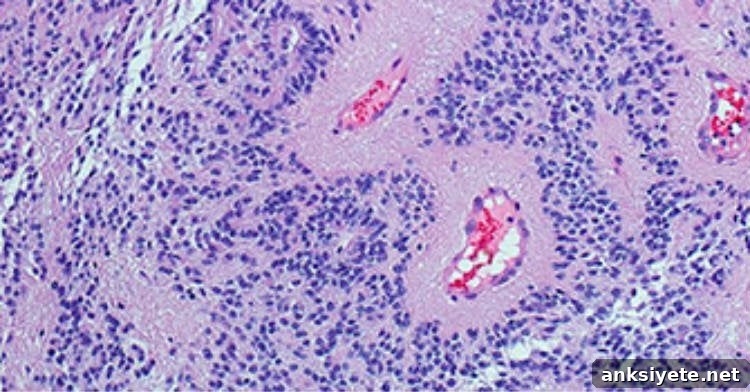
St. Jude–Washington University Pediatric Cancer Genome Project Identifies a Frequent Genetic Alteration Driving Ependymoma
The St. Jude Children’s Research Hospital–Washington University Pediatric Cancer Genome Project has discovered the most common genetic alteration reported to date in ependymoma, a childhood brain tumor, and provided strong evidence that this change actively drives tumor formation. The study was published as an advanced online article in the journal Nature on February 19.
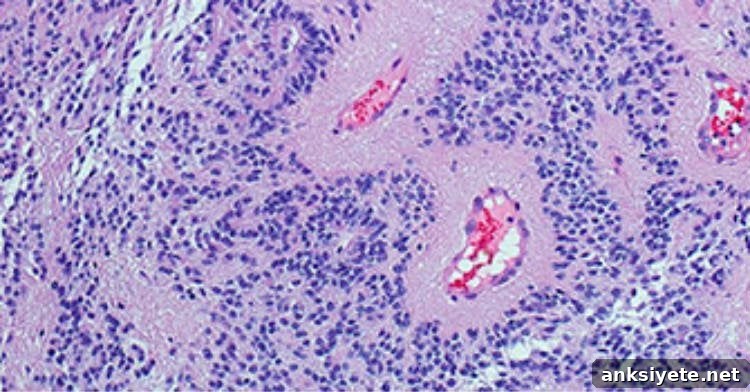
Ependymoma is the third most common brain tumor in children and remains incurable in about 40 percent of young patients. The new findings provide a clear molecular lead for improving diagnosis and developing targeted treatments for this disease and may also inform research into other cancers, including adult tumors that involve the NF-κB pathway.
The study identifies a fusion involving the RELA gene, which occupies a central role in the NF-κB signaling pathway—a cellular system that regulates inflammation and other responses. Although abnormal NF-κB activation has long been observed in many adult cancers, this work is the first to identify a recurrent, central alteration in the pathway tied directly to a pediatric brain tumor.
In tumors that originate in the frontal region of the brain—commonly called supratentorial ependymomas—about 70 percent of the cases examined carried the RELA fusion and showed few other genetic changes. The fusion was absent from ependymomas arising in other brain regions, indicating a region-specific genetic driver.
Researchers found that the RELA gene becomes fused with parts of another gene, C11orf95, through a chromosomal translocation. This produces abnormal fusion proteins that, when expressed in experimental models, rapidly drove formation of aggressive brain tumors in mice that closely resembled the human disease. The ability of the fusion to convert normal brain cells into cancer cells demonstrates its likely role as a primary oncogenic event.
“For the first time we show that a frequent mutation centered in the NF-κB pathway is sufficient to transform normal brain cells into tumor cells and to drive tumor development,” said Richard Gilbertson, M.D., Ph.D., director of the St. Jude Comprehensive Cancer Center and co-corresponding author. “That understanding creates an opportunity to develop treatments that specifically block this abnormal activity.”
St. Jude has initiated an international clinical study to determine whether the C11orf95–RELA fusion can serve as a prognostic marker for patients with ependymoma. The hospital has also developed a diagnostic test to detect tumors that carry this translocation, an effort led by David Ellison, M.D., Ph.D., chair of Pathology at St. Jude.
A computational tool named CICERO, developed by the St. Jude computational biology team, was pivotal in identifying the fusion. Using CICERO, investigators analyzed massive genomic datasets—246 billion data points—from whole-genome sequencing of tumor and matched normal DNA from 41 children with ependymoma, along with RNA sequencing from 77 tumors. Sequencing both DNA and RNA allowed the team to detect which genes were active and to pinpoint abnormal RNA products representing fusion genes.
The C11orf95–RELA fusion was produced when a segment of chromosome 11 containing both genes was shattered and incorrectly reassembled, creating one of the most frequently observed translocations reported in brain tumors. Of the 41 supratentorial ependymomas studied, 29 produced RELA fusion proteins. Because the fusion yields abnormal, tumor-specific proteins, it represents a promising therapeutic target.
Ongoing research is focused on how the fusion proteins promote malignancy. Early evidence suggests that C11orf95 alters the cellular localization and normal behavior of RELA, thereby changing its function and driving oncogenic NF-κB signaling. The researchers also identified other gene rearrangements that may contribute to ependymoma in distinct subgroups.
Study context and contributors
This work is part of the Pediatric Cancer Genome Project, which has completed whole-genome sequencing of tumors and matched normal genomes from 700 pediatric cancer patients since the project began in 2010. The initiative uses advances in sequencing and computational analysis to better understand the genetic drivers of aggressive childhood cancers and to accelerate development of more effective therapies.
First authors of the study include Matthew Parker, Kumarasamypet Mohankumar, Chandanamali Punchihewa and Ricardo Weinlich of St. Jude. Key contributors include researchers from St. Jude and The Genome Institute at Washington University School of Medicine, among others. The study was supported in part by the Pediatric Cancer Genome Project, grants from the National Institutes of Health, the Collaborative Ependymoma Research Network and ALSAC, with Kay Jewelers noted as a lead sponsor.
Contact: Summer Freeman, St. Jude Children’s Research Hospital
Source: St. Jude Children’s Research Hospital press release. Original research: “C11orf95–RELA fusions drive oncogenic NF-κB signalling in ependymoma” (Nature; published online February 19, 2014). DOI: 10.1038/nature13109
Keywords: ependymoma, pediatric brain tumor, RELA, C11orf95, NF-κB, fusion gene, translocation, St. Jude, Pediatric Cancer Genome Project, CICERO, genomic sequencing, neurogenetics