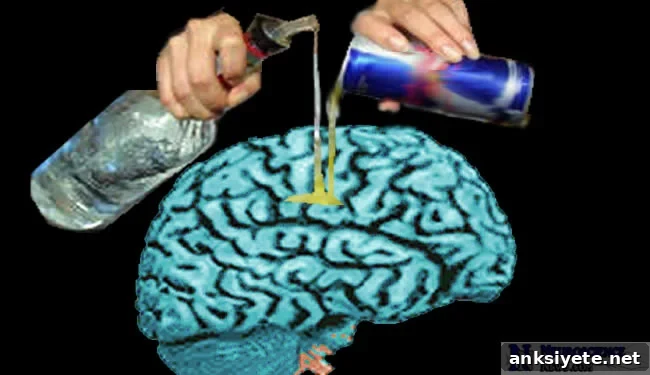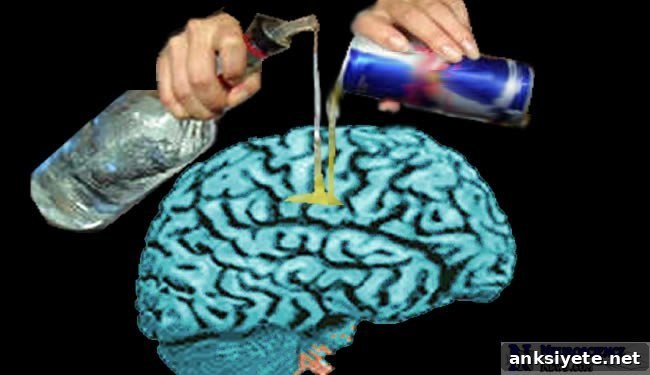
- Laboratory research compared alcohol alone to alcohol mixed with an energy drink on cognitive control and subjective intoxication.
- Findings indicate that energy drinks increase the stimulant sensations people feel when drinking alcohol.
- Energy drinks did not change measured behavioral impairment from alcohol, especially impaired impulse control.
- The combination of heightened stimulation and persistent impulse-control impairment may make alcohol mixed with energy drinks more hazardous than alcohol alone.
Study Finds Energy Drinks Boost Stimulation but Not Behavioral Impairment When Mixed with Alcohol
Mixing energy drinks with alcohol—popular combinations such as vodka and an energy drink—has become common among young adults. This laboratory study directly compared the effects of alcohol alone with the effects of alcohol combined with an energy drink on both objective cognitive performance and subjective feelings of intoxication. The research shows that adding an energy drink amplifies the stimulant sensations people report while drinking, but it does not reduce or alter the measurable impairments alcohol causes in impulse control. Taken together, these outcomes suggest that the mixed beverage creates a potentially riskier experience: drinkers feel more awake and stimulated while remaining behaviorally impaired.
Why the Study Was Done
The growing popularity of alcohol mixed with caffeinated energy drinks has raised public health concerns. Epidemiological research has linked this practice to riskier drinking episodes and to a higher incidence of injuries and accidents. However, those large-scale studies can be confounded by drinker characteristics—people who already prefer heavy or risky drinking may be more likely to choose trendy mixed drinks. The current laboratory study was designed to test whether the combination itself produces distinct pharmacological or subjective effects beyond alcohol alone, by controlling the dose and measuring both behavior and self-reported experience.
How the Study Was Conducted
Fifty-six college students (28 men and 28 women), aged between 21 and 33, participated and were randomly assigned to one of four beverage conditions: alcohol alone (0.65 g/kg), energy drink alone (3.57 ml/kg), a combined energy drink and alcohol condition, or a placebo beverage. After consuming the assigned drink, participants completed a computerized task sensitive to response execution and response inhibition—measures that index impulsive behavior. In addition, participants rated their own feelings, including stimulation, sedation, perceived impairment, and overall intoxication.
Key Findings
Objective testing showed that alcohol impaired participants’ ability to inhibit responses, increasing impulsive behavior compared to no alcohol. Importantly, adding the energy drink did not reduce that impairment: impulsivity remained elevated when alcohol was present regardless of the energy drink. Subjective ratings, however, differed between conditions. Participants who consumed alcohol with an energy drink reported higher levels of stimulation than those who consumed alcohol alone. In other words, the mixed drink produced a stronger sense of alertness or activation while behavioral measures continued to show alcohol-related deficits.
This dissociation—heightened subjective stimulation alongside persistent impairment—creates a concerning scenario. Feeling more stimulated can give drinkers the impression that they are less impaired than they actually are, which may prompt riskier choices such as driving, aggressive behavior, or consuming more alcohol. The study therefore provides controlled laboratory evidence that energy drinks can alter the subjective experience of alcohol without eliminating its behavioral risks.
Implications
The results suggest several practical implications for public health, college education, and clinical work. Students and young adults should be aware that combining energy drinks with alcohol can mask the sedating effects of alcohol and increase the feeling of stimulation, while cognitive control remains weakened. Clinicians and counselors working with people who drink in risky ways should specifically address the use of energy-drink mixers as a behavior that may exacerbate risk. Prevention programs and messaging that highlight the mismatch between how intoxicated a person feels and how impaired they actually are could help reduce harm.
Publication and Contacts
These findings are scheduled for publication in the July 2011 issue of Alcoholism: Clinical & Experimental Research and are available via the journal’s Early View release. Investigators on the study include Cecile A. Marczinski, Ph.D., assistant professor of psychology at Northern Kentucky University, and Amelia M. Arria, Ph.D., director of the Center on Young Adult Health and Development at the University of Maryland School of Public Health.
Notes about this research article
Contacts: Cecile A. Marczinski, Ph.D. – Northern Kentucky University
Amelia M. Arria, Ph.D. – University of Maryland School of Public Health
Source: Alcoholism: Clinical & Experimental Research press release
Image credit: NeuroscienceNews.com