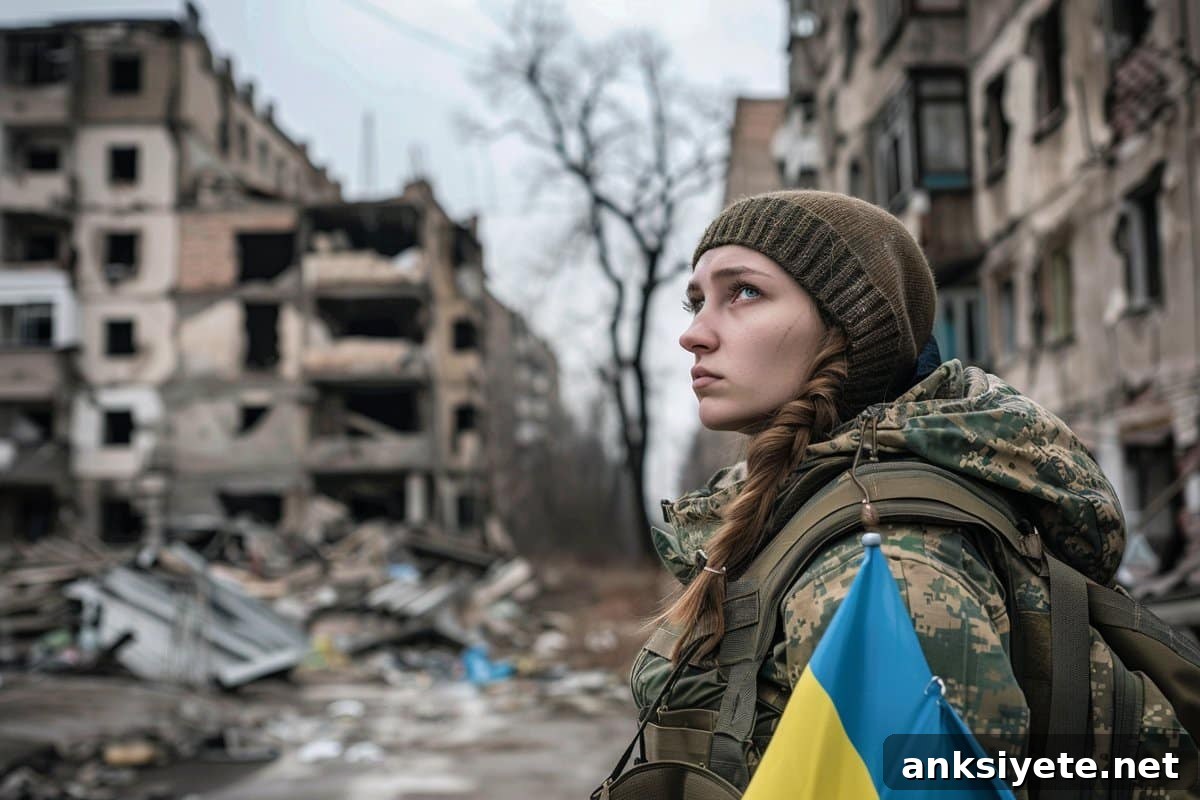
Summary: A new study reports widespread and severe mental health effects among displaced Ukrainians following Russia’s full-scale invasion. Surveying more than 8,300 people who were either refugees or internally displaced within Ukraine, researchers found high rates of generalized anxiety, post-traumatic stress disorder (PTSD) symptoms including flashbacks and nightmares, and a clear link between exposure to blast events and worse mental health outcomes. The findings emphasize the urgent need to prioritize mental health and psychosocial support in humanitarian responses for both refugees and internally displaced persons (IDPs).
The study found that nearly 70% of participants met the screening threshold for generalized anxiety. Blast exposure—such as witnessing explosions or nearby detonations—was common and strongly associated with more frequent PTSD symptoms. Internally displaced people who remained inside Ukraine experienced higher levels of anxiety and more frequent flashbacks than refugees, suggesting that ongoing exposure to conflict compounds the psychological toll of displacement.
Key Facts:
- Survey sample: 8,326 displaced Ukrainians (3,253 internally displaced persons and 5,073 refugees).
- Blast exposure reported by 67.6% of participants—79.9% of IDPs and 61.7% of refugees.
- 69.1% of respondents screened positive for generalized anxiety warranting further clinical assessment.
- IDPs reported higher anxiety and more frequent PTSD flashbacks and nightmares compared with refugees.
- Blast exposure had a stronger association with flashback frequency among IDPs and among those with pre-existing mental health conditions.
Source: PLOS
Study team: Researchers from the International Blast Injury Research Network at the University of Southampton carried out the survey to document the mental health consequences of war-related displacement and blast exposure in Ukraine.
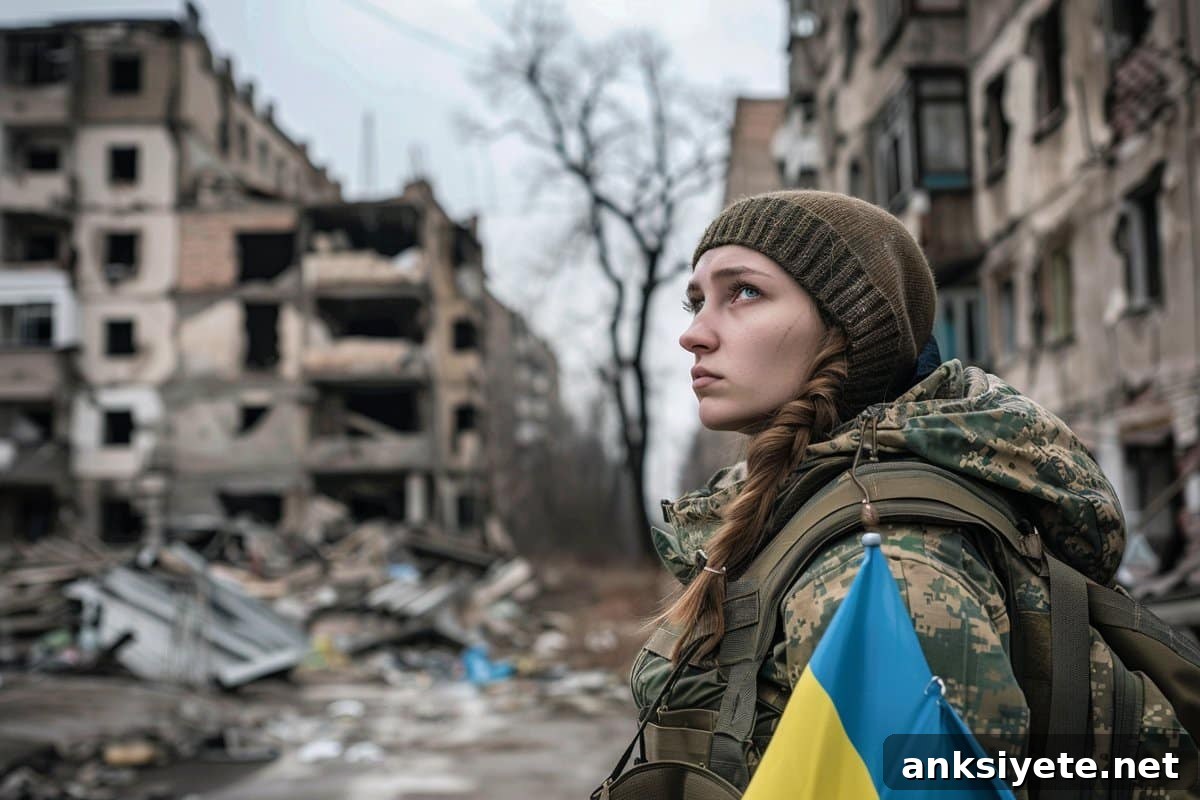
Since the invasion began in February 2022, more than 13 million Ukrainians have been forced from their homes. Displacement disrupts communities, housing, and livelihoods, and these losses magnify the psychological impact of direct war exposure—especially for older adults, caregivers, and otherwise vulnerable groups. The research documents how the combined stresses of conflict and displacement are reflected in elevated anxiety and PTSD symptoms across both refugees and those displaced inside Ukraine.
Between April and July 2022, the research team distributed an online health-needs survey using social media advertising tools and collected responses from people who identified as refugees or internally displaced. Participants reported whether they had experienced blast events since the start of the invasion, if they had been treated for a mental health condition before the war, and answered validated measures of generalized anxiety (GAD-2) along with questions about PTSD symptoms, including the frequency of flashbacks and nightmares.
Key findings included that almost eight in ten people remaining in Ukraine and more than half of refugees reported blast exposure. Overall, 69.1% of participants met the screening cut-off for generalized anxiety, indicating a high burden of probable anxiety disorders across the displaced population. Flashbacks—ranging from brief intrusive memories to intense episodes in which people feel they are reliving trauma—were reported more frequently by those who had experienced blasts, and this relationship was significantly stronger among IDPs than among refugees.
The analysis also found that people who had pre-existing mental health diagnoses were more likely to report increased flashback frequency after blast exposure than those without prior diagnoses. These patterns emphasize the vulnerability of people with previous mental health conditions and the need for targeted support.
Although internally displaced people showed the worst outcomes, refugees also experienced substantial mental health challenges. The authors call for comprehensive mental health and psychosocial support to be integrated into humanitarian relief for both refugees and IDPs. They stress prioritizing services for those with prior mental health problems and those who report blast exposure.
Funding: This research was supported by small grants from Public Policy@Southampton, the Clinical Informatics Research Unit at the University of Southampton, and the ESRC Centre for Population Change. Funders did not influence study design, data collection, analysis, publication decisions, or manuscript preparation.
About this mental health and conflict research news
Author: Charlotte Bhaskar
Source: PLOS
Contact: Charlotte Bhaskar – PLOS
Image credit: Neuroscience News
Original Research (open access): “Effects of blast exposure on anxiety and symptoms of post-traumatic stress disorder (PTSD) among displaced Ukrainian populations” by Ken Brackstone et al., PLOS Global Public Health. The study provides empirical data on blast-related exposure, generalized anxiety (GAD-2), and PTSD flashbacks and nightmares among 3,253 IDPs and 5,073 refugees (N = 8,326).
Abstract
Effects of blast exposure on anxiety and symptoms of post-traumatic stress disorder (PTSD) among displaced Ukrainian populations
Generalized anxiety and PTSD symptoms are common among people forcibly displaced by war. Blast exposure—witnessing or being near explosions—appears to be a significant contributor to these outcomes. This study aimed to quantify blast-related experiences among IDPs and refugees after Russia’s 2022 invasion and to evaluate how blast exposure influences generalized anxiety and PTSD symptoms, particularly flashbacks and nightmares.
An online survey distributed from April to July 2022 collected self-reported data on blast exposure, pre-war mental health treatment, generalized anxiety (GAD-2), and PTSD symptoms. Of 8,326 respondents, 67.6% reported blast exposure since the invasion began—79.9% of IDPs and 61.7% of refugees. Overall, 69.1% of participants met the screening threshold for generalized anxiety. IDPs reported higher anxiety scores and more frequent flashbacks and nightmares than refugees. The association between blast exposure and flashback frequency was stronger among IDPs and among participants with pre-existing mental health conditions.
The authors conclude that mental health and psychosocial care must be prioritized within humanitarian responses for both refugees and internally displaced people, with particular focus on those exposed to blasts and those with prior mental health conditions.