
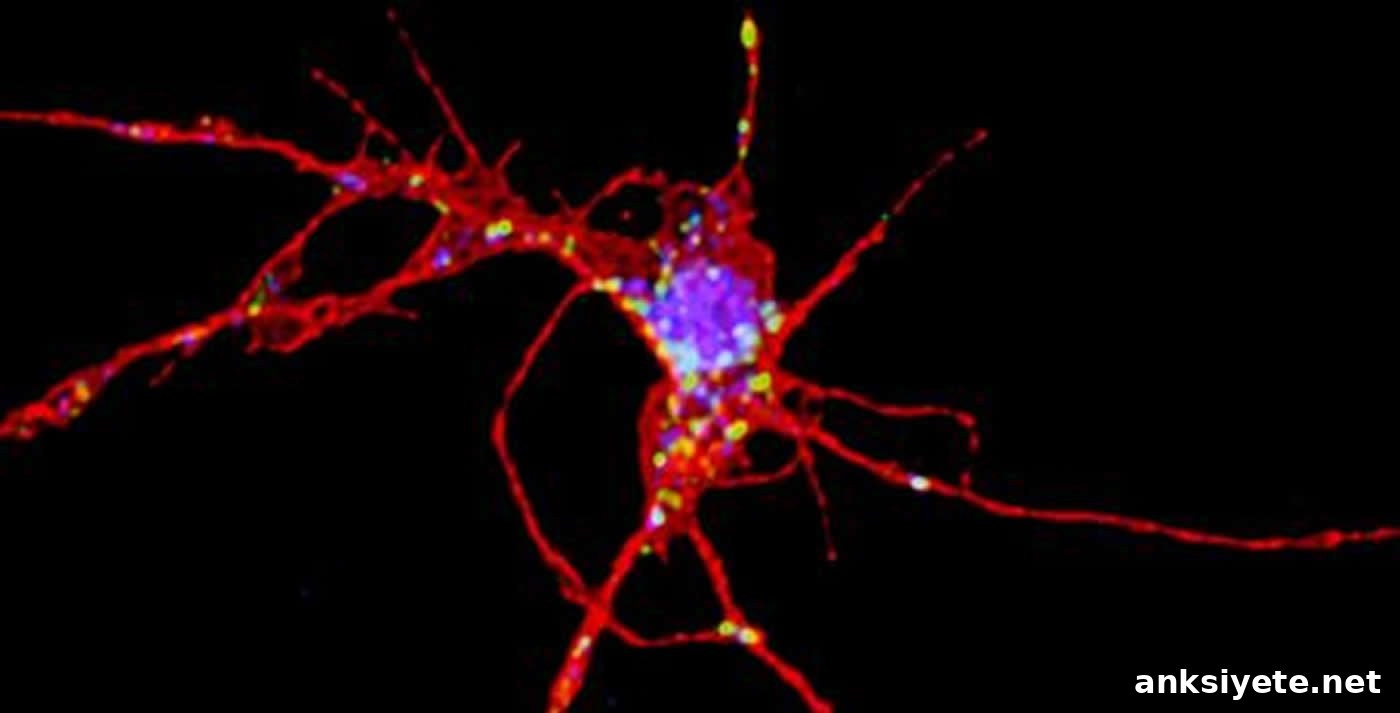
Summary: Researchers report that the RNA-binding proteins FMR1 and ZC3H14 both regulate neuronal mRNA, providing insight into their roles in learning and memory.
Source: Emory Health Sciences.
RNA-binding proteins linked to inherited intellectual disability and memory function
Studying which molecules interact in cells often reveals how biological systems work. Emory researchers have focused on a gene they call the “Friend of fragile X” because of its molecular association with the fragile X protein and its role in brain function.
Fragile X syndrome, the most common inherited form of intellectual disability, results from disruption of the FMR1 gene. Independently, a rare inherited intellectual disability identified in a small number of families has been linked to mutations in a different gene, ZC3H14. New studies from laboratories led by Kenneth H. Moberg, PhD, and Anita H. Corbett, PhD, demonstrate that the proteins encoded by FMR1 and ZC3H14 interact and share overlapping roles in neuronal mRNA regulation, which helps explain why both are critical for learning and memory.
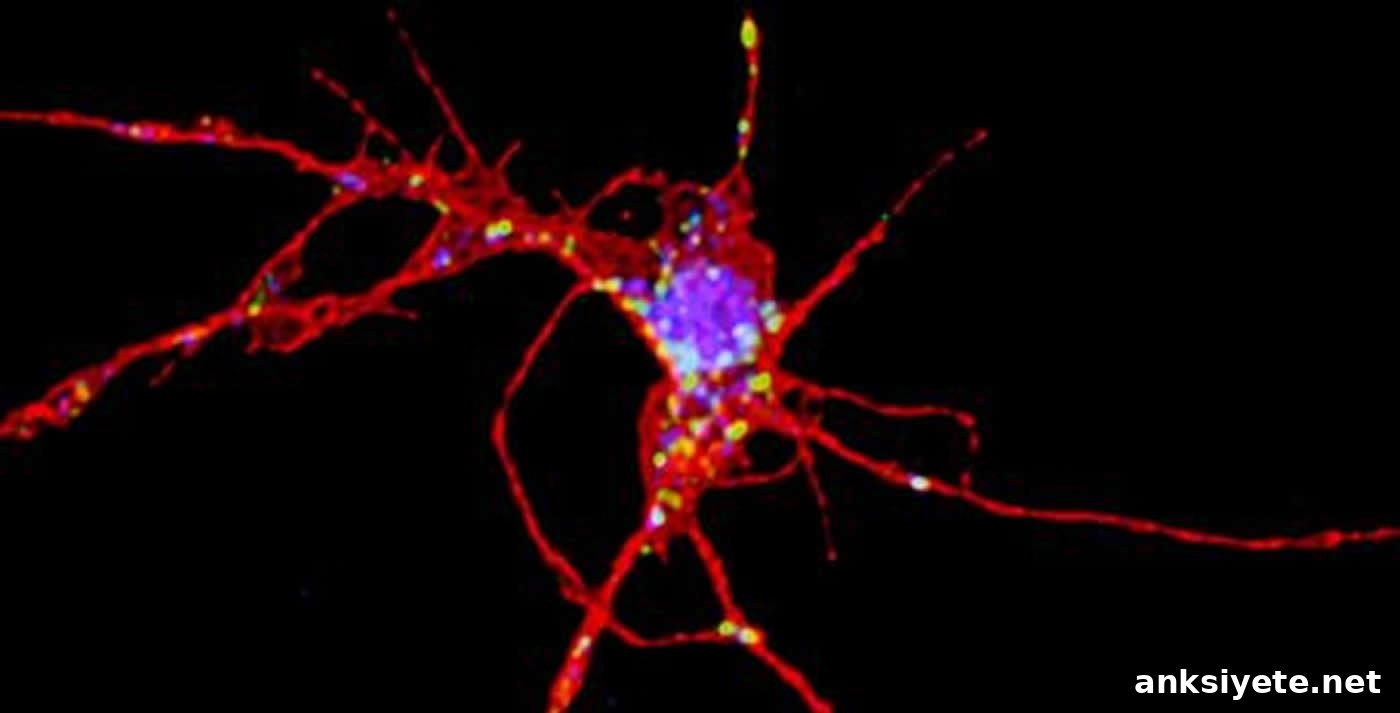
Using experiments in fruit flies (Drosophila) and mice, the teams found that the FMR1-encoded protein (FMRP) and the ZC3H14-encoded protein co-localize in neurons and physically associate in cells. Both proteins bind RNA and influence post-transcriptional regulation, notably affecting the stability, polyadenylation, and translation of specific neuronal messenger RNAs (mRNAs). These shared activities help clarify how defects in either gene can disrupt learning and memory-related neural processes.
FMRP has long been recognized for its role in controlling local protein synthesis in response to synaptic signals. The recent work expands that view by showing FMRP also influences poly(A) tail length of neuronal mRNAs — a molecular mechanism not previously associated with FMRP despite decades of study of fragile X biology. ZC3H14, the human protein, has an ortholog in Drosophila known as dNab2; mutations in dNab2 were already known to impair behaviors such as flight, climbing, and courtship memory in flies.
In new behavioral experiments, flies lacking dNab2 showed deficits in associative learning tasks, including the ability to learn to avoid an unpleasant odor. Genetic interaction experiments indicated that dNab2 and the fly ortholog of FMR1 function together to support these forms of memory. Molecular profiling revealed that while dNab2 and dFMRP regulate overlapping sets of mRNAs, their targets are not identical, suggesting coordinated but selective control of neuronal transcripts.
Parallel mouse studies conducted by collaborators in Corbett’s lab and neuroscientists at Emory show consistent results: mice lacking ZC3H14 display impairments in working memory and altered brain development. Analyses of mouse hippocampal neurons indicate ZC3H14 is present in the cytoplasm and participates in regulating neuronal mRNAs, mirroring findings in flies and supporting conservation of function across species.
Collectively, the data indicate dNab2/ZC3H14 represses or restricts expression of a subset of mRNAs that are also regulated by FMRP, and both proteins contribute to limiting poly(A) tail length on neuronal mRNAs. One specific example highlighted in the studies is regulation of the CaMKII mRNA by dNab2, a transcript with known importance for synaptic function. These molecular interactions provide a plausible explanation for how loss of ZC3H14 causes brain-specific deficits and why disturbances in either factor affect memory formation.
Multiple Emory laboratories contributed to this body of work, including groups focused on human genetics, cell biology, and neuroscience. The combination of genetic, biochemical, cellular, and behavioral approaches in both invertebrate and mammalian systems strengthened the conclusions and emphasized conserved mechanisms linking RNA-binding proteins to cognitive function.
Funding: Research in Moberg and Corbett’s laboratories was supported by the National Institute of Mental Health (grant MH10730501).
Image credit: Ken Moberg.
Research citation: Bienkowski RS, Banerjee A, Rounds JC, Rha J, Omotade OF, Gross C, Morris KJ, Leung SW, Pak C, Jones SK, Santoro MR, Warren ST, Zheng JQ, Bassell GJ, Corbett AH, Moberg KH. The Conserved, Disease-Associated RNA Binding Protein dNab2 Interacts with the Fragile X Protein Ortholog in Drosophila Neurons. Cell Reports. Published online August 8, 2017. doi:10.1016/j.celrep.2017.07.038
Abstract
The Conserved, Disease-Associated RNA Binding Protein dNab2 Interacts with the Fragile X Protein Ortholog in Drosophila Neurons
Highlights
• dNab2 is the Drosophila ortholog of human ZC3H14, a poly(A) RNA-binding protein required for intellectual function.
• A cytoplasmic pool of dNab2 interacts with the fragile X homolog dFMRP.
• dNab2 regulates CamKII mRNA and contributes to memory together with dFMRP.
• Both dFMRP and dNab2 restrict poly(A) tail length of specific neuronal mRNAs.
Summary
The fly protein dNab2, orthologous to human ZC3H14, supports memory and axon projection, but its neuronal role had been unclear. This study maps a network linking dNab2 to cytoplasmic control of neuronal mRNAs in cooperation with the fragile X ortholog dFMRP. Genetic interactions between dNab2 and dfmr1 affect neurodevelopment and olfactory memory, and the proteins co-localize in puncta within neuronal processes. dNab2 selectively regulates CaMKII but not other transcripts, implying specificity among dFMRP-bound mRNAs. Reciprocal evidence shows that dFMRP and vertebrate FMRP limit mRNA poly(A) tail length, similar to dNab2/ZC3H14. Parallel findings in mouse hippocampal neurons indicate ZC3H14 functions cytoplasmically to regulate neuronal mRNAs. Altogether, these results suggest dNab2 represses expression of a subset of dFMRP-target mRNAs, a mechanism that could underlie brain-specific defects in patients lacking ZC3H14.