
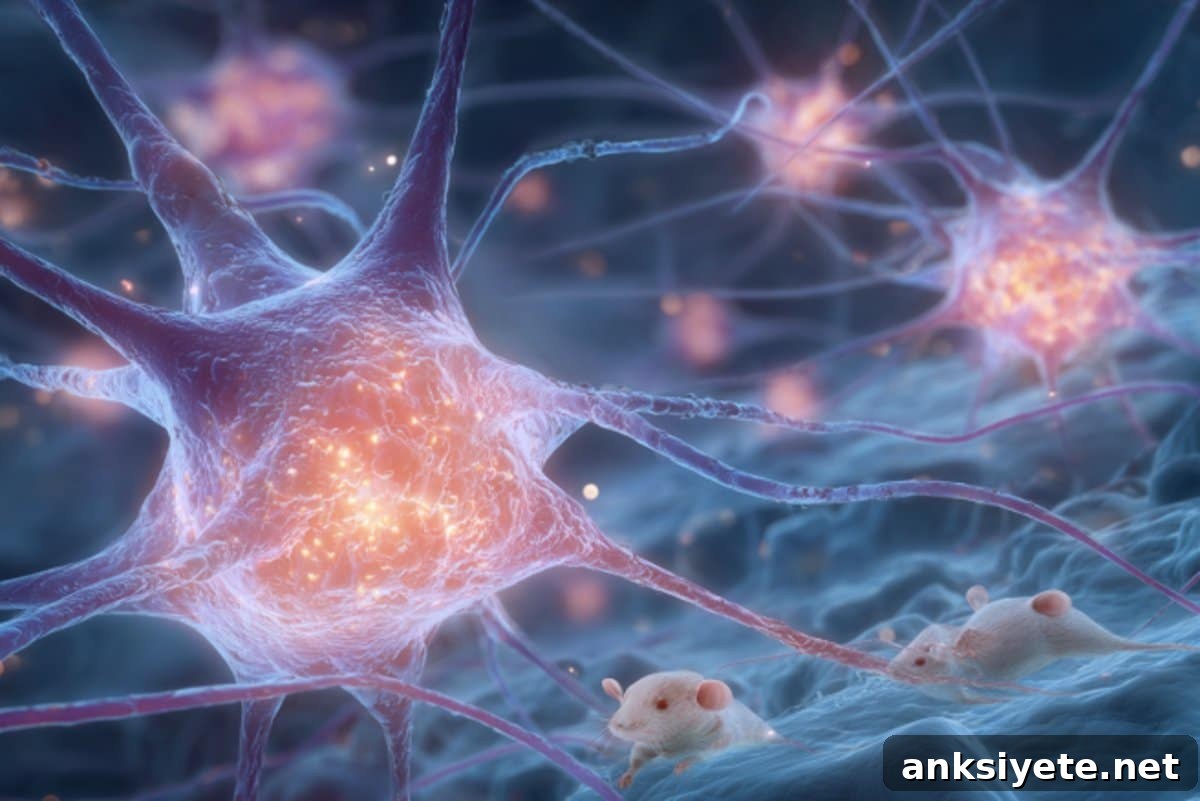
Summary: A new study shows that astrocytes — the star-shaped glial cells in the striatum — are central to how obesity alters brain function and whole-body metabolism. In obese mice, researchers found that altering astrocyte activity in the striatum improved cognitive flexibility and corrected aspects of metabolic regulation, pointing to astrocytes as underappreciated contributors to brain health and energy balance.
These results emphasize the previously overlooked role of astrocytes in maintaining neural function and metabolic homeostasis. By identifying astrocytes in specific striatal regions as mediators linking diet, reward processing and metabolism, the work opens potential new directions for therapies aimed at cognitive and metabolic disorders associated with obesity.
Key Facts:
- Astrocyte role identified: Striatal astrocytes regulate cognitive function and peripheral metabolism in the context of obesity.
- Striatum as a hub: Changes in astrocytes within striatal structures connect dietary reward signals with broader brain health and energy regulation.
- Functional restoration: Chemogenetic manipulation of striatal astrocytes in mice improved learning and adjusted whole-body energy responses following chronic high-fat, high-sucrose diet exposure.
Source: CNRS
Fatty diets and obesity change the structure and function of astrocytes — the star-shaped glial cells found in the striatum, a brain region closely linked to the perception of reward from food. The study reports that diet-induced alterations in astrocytes are associated with impaired cognitive flexibility and disrupted energy balance in mice.
Importantly, the researchers manipulated astrocyte activity in living mice and observed effects on both behavior and metabolism. Targeted chemogenetic modulation of astrocytes restored aspects of cognitive performance — such as the ability to relearn or adapt to a changed task — and influenced peripheral metabolic measures, demonstrating a causal role for these cells in obesity-related brain and metabolic changes.
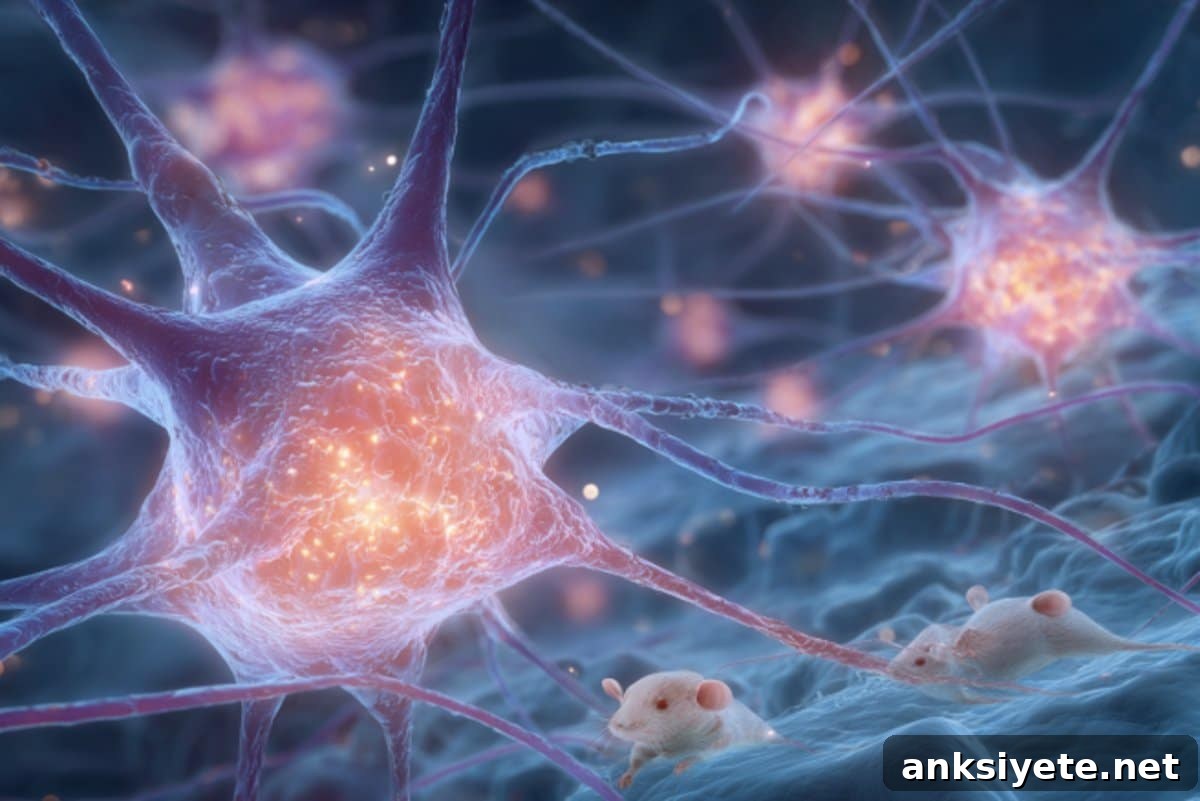
The work, carried out by teams at CNRS and Université Paris Cité, is scheduled for publication in Nature Communications on 7 July. It reinforces the view that astrocytes — historically less studied than neurons — have active, regulatory roles in brain circuits that influence both behavior and systemic energy regulation.
Using a combination of ex vivo and in vivo experiments in rodents, the researchers applied chemogenetic tools, brain imaging, locomotor and cognitive testing, and measurements of whole-body energy metabolism. These complementary approaches allowed them to link cellular-level astrocyte activity to measurable changes in behavior and peripheral physiology.
Notes
1 – Unlike neurons, astrocytes do not produce electrical impulses; this has historically made them harder to study. Advances in imaging and molecular tools now reveal that astrocytes closely interact with neurons and contribute essential support and modulation necessary for normal nervous system function.
2 – Research teams include members of the Unité de biologie fonctionnelle et adaptative (CNRS/Université Paris Cité) and the Institut de biologie Paris-Seine (CNRS/Inserm/Sorbonne Université).
3 – Calcium signaling is central to astrocyte function and their ability to modulate synaptic activity. The chemogenetic approach used a viral vector to express a protein selectively in astrocytes that acts like a switch to alter calcium flow within the cell. This strategy allowed the investigators to study how astrocyte calcium dynamics affect both neighboring neurons and downstream behavioral and metabolic outcomes.
About this neuroscience and obesity research news
Author: Aurélie MEILHON ([email protected])
Source: CNRS
Contact: Aurélie MEILHON – CNRS
Image: The image is credited to Neuroscience News
Original Research: Open access. “Striatal astrocytes modulate behavioral flexibility and whole-body metabolism in mice” by Enrica Montalban et al., Nature Communications (publication details as reported by CNRS).
Abstract
Striatal astrocytes modulate behavioral flexibility and whole-body metabolism in mice
Brain circuits involved in reward-related behaviors are powerful drivers of feeding, and recent work also implicates these circuits in regulation of peripheral metabolism. Short-term or chronic exposure to calorie-dense foods reshapes brain structures and is associated with increased astrocyte reactivity and pro-inflammatory responses in mice and humans.
The specific contribution of striatal astrocytes to adaptive and maladaptive behavioral and metabolic responses to energy-dense diets has been unclear. This study demonstrates that chemogenetic manipulation of astrocytes in striatal regions can directly influence peripheral metabolism in male mice. Moreover, targeting astrocytes in the dorsal striatum altered peripheral metabolic parameters and was sufficient to restore cognitive deficits induced by chronic high-fat, high-sucrose (HFHS) diet exposure in obese mice.
Overall, these findings reveal an underappreciated function for striatal astrocytes as active regulators of behavioral flexibility and whole-body metabolic control, highlighting their potential as targets for future interventions addressing cognitive and metabolic consequences of obesity.