
New technique navigates the neuron jungle to target the source of Parkinson’s disease
Researchers report a promising, less invasive approach to target the specific brain cells involved in Parkinson’s disease. In experiments with a rat model of Parkinson’s, the technique selectively stimulated cholinergic neurons and produced a marked recovery of movement and posture.
Parkinson’s disease is a progressive neurodegenerative disorder that affects movement, balance and gait. Standard treatment relies on dopaminergic drugs, which can cause significant side effects and often lose effectiveness after several years. For patients who no longer respond to medication, deep brain stimulation (DBS) is an option. DBS uses implanted electrodes to deliver electrical currents to brain regions, but it is an invasive procedure and results vary widely. One reason for the inconsistent outcomes is that DBS stimulates multiple types of neurons indiscriminately rather than acting on a single cell type linked to the core symptoms.
The new study, published in the journal Molecular Neurodegeneration, tests a more targeted alternative designed to activate cholinergic neurons within the pedunculopontine nucleus (PPN), a brain region implicated in gait and postural control. Cholinergic neurons produce the neurotransmitter acetylcholine and are thought to play a critical role in some Parkinson’s symptoms.
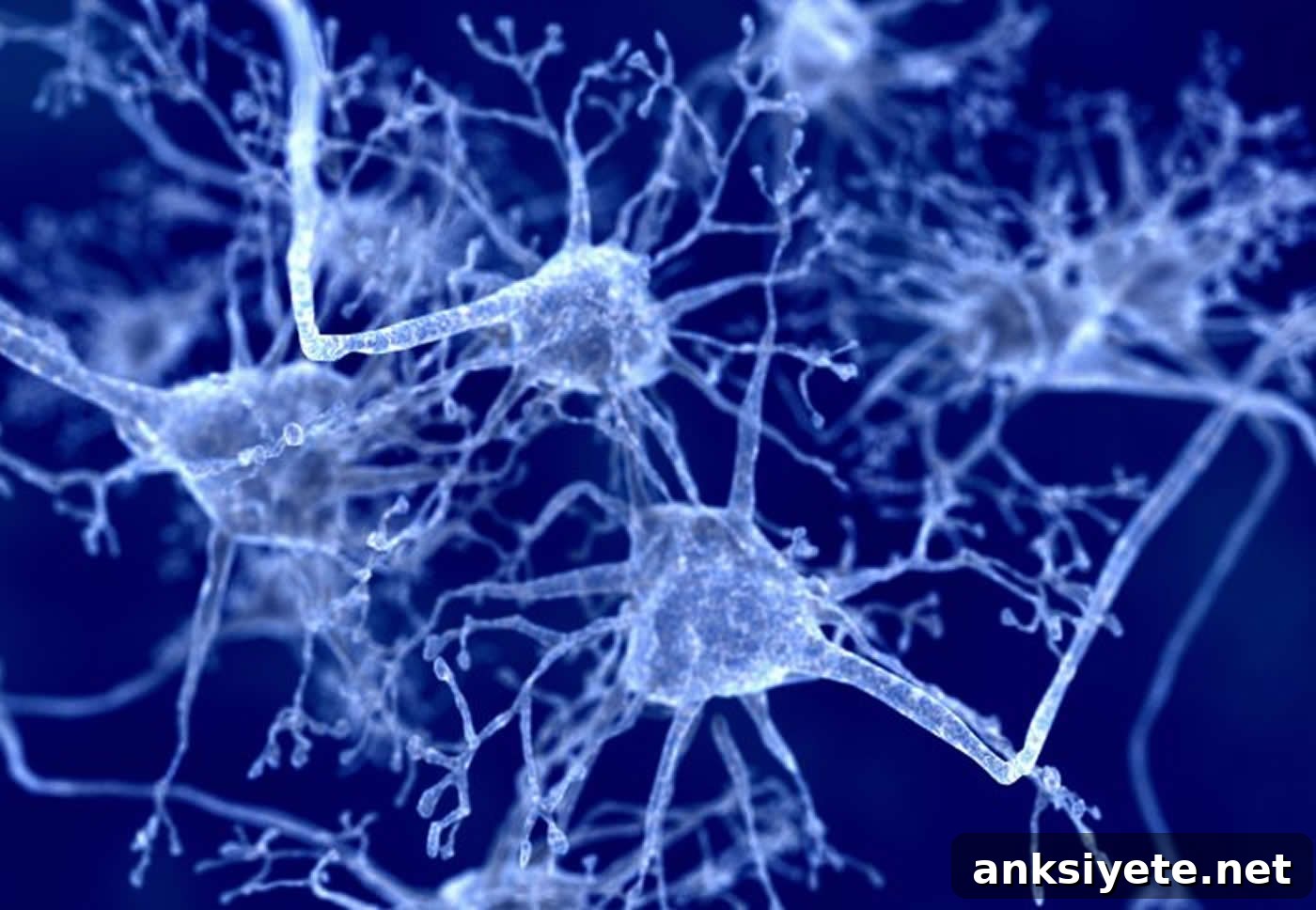
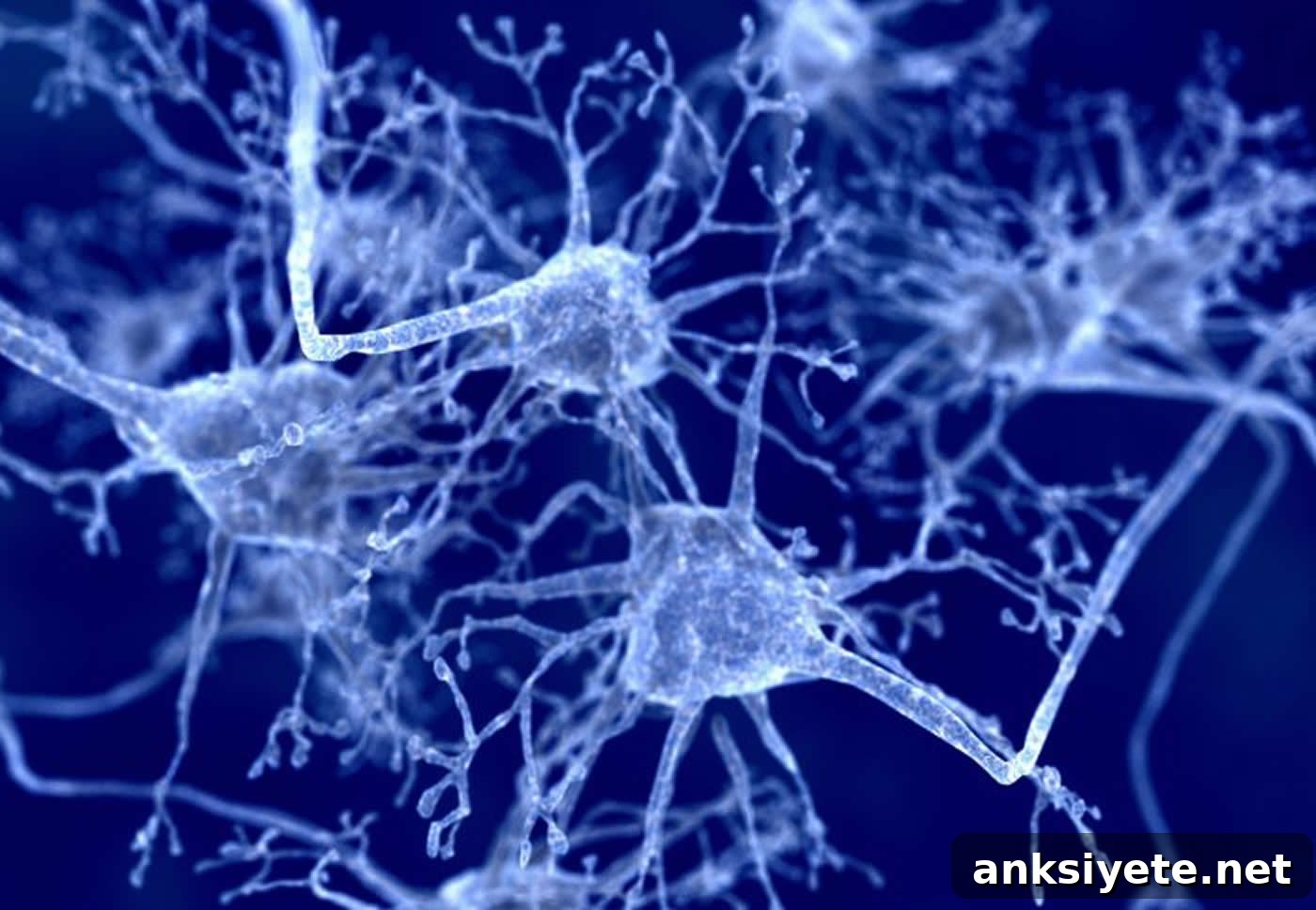
“If you were to peer inside the PPN, it is like a jungle,” said Dr. Ilse Pienaar, Honorary Lecturer in Neuroscience at Imperial College London. “There is a massive variety of nerve cells that behave differently and have different jobs. We wanted to develop a method that selectively targets the cholinergic population rather than stimulating every cell in the area.”
Post-mortem studies of advanced Parkinson’s patients show that approximately half of the cholinergic neurons in this region have been lost, although the reasons for this cell death are not fully understood. That observation led scientists to hypothesize that the remaining cholinergic neurons might be key to alleviating gait and postural instability if they could be specifically activated.
In the study, researchers at Imperial College London and Newcastle University used a rat model designed to reproduce the motor deficits of Parkinson’s disease. They delivered a benign viral vector carrying a pharmacogenetic “switch” to cholinergic neurons in the pedunculopontine area. This switch was a designer receptor that remains inactive until activated by a specific, otherwise inert drug. After the receptor was expressed in the target neurons, the researchers gave the animals the activating compound to selectively stimulate those cholinergic cells.
Rats that received the pharmacogenetic stimulation showed dramatic improvements in motor performance. Behavioral tests that measured gait, postural stability, sensorimotor integration, forelimb use and general locomotor activity all indicated a near-complete recovery toward normal movement following activation of the remaining cholinergic neurons.
Electrophysiological recordings performed during drug-induced activation demonstrated increased firing of putative cholinergic neurons in the pedunculopontine region. Markers of neuronal activity, such as c-Fos expression, were also elevated specifically in the cholinergic neurons expressing the designer receptor, confirming targeted engagement of the intended cell population.
“This study confirms that cholinergic neurons are key to the gait problems and postural instability experienced by many advanced Parkinson’s patients,” Dr. Pienaar said. “It suggests we can target the surviving cholinergic cells to compensate for those that have been lost or that are communicating poorly. If we can safely translate this approach to humans, it may help restore mobility without the blunt effects of current deep brain stimulation.”
Dr. Joanna Elson of the Institute of Genetic Medicine at Newcastle University added: “The brain structure we studied is highly complex. Despite that complexity, our results are exciting because they point toward less invasive and more precise treatment strategies for Parkinson’s and potentially other neurodegenerative conditions. This work also helps clarify how deep brain stimulation might work by identifying the specific neuronal population responsible for some of its clinical benefits.”
The researchers estimate that, with further development and testing, the technique could potentially be translated to human patients within five to ten years. They also emphasize the broader research value of the method: by enabling selective activation or inhibition of specific neuron types, scientists can better understand how different cell populations contribute to Parkinson’s symptoms and to other neurodegenerative disorders.
Dr. Pienaar held a Junior Research Fellowship at Imperial during this work and was supported by the Rosetrees Trust and the British Pharmacological Society.
Source: Kerry Noble – Imperial College London
Image credit: Image adapted from an Imperial College London press release
Original research: Full open-access article: “Pharmacogenetic stimulation of cholinergic pedunculopontine neurons reverses motor deficits in a rat model of Parkinson’s disease” by Ilse Pienaar, Sarah Gartside, Puneet Sharma, Vincenzo De Paola, Sabine Gretenkord, Dominic Withers, Joanna Elson, and David Dexter in Molecular Neurodegeneration. Published online September 22, 2015. DOI: 10.1186/s13024-015-0044-5
Abstract
Pharmacogenetic stimulation of cholinergic pedunculopontine neurons reverses motor deficits in a rat model of Parkinson’s disease
Background
Patients with advanced Parkinson’s disease often develop axial symptoms—including gait disturbances and postural instability—that respond poorly to dopaminergic therapies. Deep brain stimulation of the pedunculopontine nucleus (PPN) can improve these symptoms, but the PPN is highly heterogeneous and the exact neuronal population responsible for clinical improvement has been unclear. The authors used ChAT::Cre transgenic rats, a lactacystin lesion to induce Parkinsonian deficits, and designer receptors exclusively activated by designer drugs (DREADDs) to selectively activate cholinergic neurons in the rat equivalent of the human PPN, the pedunculopontine tegmental nucleus (PPTg).
Results
Transient activation of the remaining PPTg cholinergic neurons via systemic administration of the DREADD ligand clozapine-N-oxide (CNO) produced marked improvements across multiple behavioral assays assessing posture, gait, sensorimotor integration, forelimb akinesia and overall motor activity. In vivo electrophysiology showed increased spiking activity among putative cholinergic neurons during CNO-induced activation, and c-Fos induction confirmed increased activation specifically in the ChAT-positive neurons expressing the designer receptor.
Conclusions
These findings indicate that selective functional modulation of PPN cholinergic neurons can alleviate key parkinsonian motor symptoms in this rat model, supporting the idea that cholinergic cells in the PPN are a viable and specific target for future therapeutic strategies.