
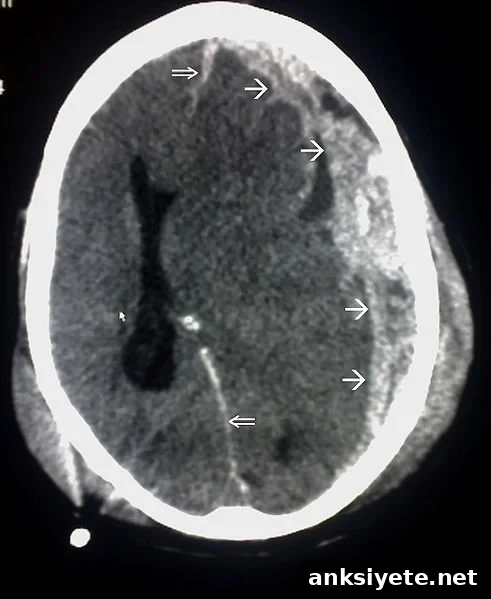
Military personnel who experience more than one mild traumatic brain injury (TBI) face a substantially higher risk of suicide, according to research from the National Center for Veterans Studies at the University of Utah.
A clinical survey of 161 service members deployed to Iraq and evaluated for suspected TBI found that repeated mild head injuries were strongly associated with greater lifetime and recent risk of suicidal thoughts and behaviors. The study linked the number of TBIs to higher rates of suicidal ideation even after accounting for other psychological conditions such as depression and post-traumatic stress disorder (PTSD).
The study, published in JAMA Psychiatry, reports a clear stepwise increase in suicide-related thoughts as TBIs accumulated. Among those who had sustained two or more TBIs at any point in their lives, 21.7 percent reported having experienced suicidal ideation at some time. By comparison, 6.9 percent of those with a single TBI reported suicidal thoughts, and none of the individuals with no history of TBI reported suicidal ideation. When restricted to the prior 12 months, 12 percent of the multi-TBI group reported suicidal thoughts, versus 3.4 percent of the single-TBI group and 0 percent of the no-TBI group.
Because relatively few participants reported a documented suicide plan or prior attempt, the investigators used suicidal ideation as the primary indicator of elevated suicide risk. The findings demonstrate that multiple mild TBIs are not only associated with more severe concussion symptoms but are also linked to increased levels of depression and PTSD symptoms; among those, worsening depression best predicted higher suicide risk in this sample.
“Previous work has established that head injury and the associated psychological effects raise suicide risk,” said Craig J. Bryan, the study’s lead author and associate director of the National Center for Veterans Studies. “This study adds important evidence that repetitive TBIs—common among combat veterans—appear to increase that vulnerability, which has implications for long-term care and suicide prevention in military populations.”
How the study was conducted
Over a six-month period in 2009, 161 service members who sustained suspected brain injuries while on duty in Iraq were referred to an outpatient TBI clinic at a combat support hospital. The sample was predominantly male, with an average age of 27 and an average of 6.5 years of military service. Clinical diagnosis and assessment were completed by a psychologist trained in TBI evaluation and management.
Only individuals with mild TBI or no TBI completed the full battery of assessments; those with moderate to severe injuries were evacuated and not included in the full analysis. TBI was confirmed when the patient presented at least one new or worsened clinical event following the injury—such as loss of consciousness or memory, altered mental state, focal neurological decline, or radiographic evidence of brain injury.
Participants were grouped by lifetime TBI count: no TBI, a single TBI, or two or more TBIs. Standardized questionnaires measured depressive symptoms, PTSD symptoms, concussion severity, and history of suicidal thoughts and behaviors. Because many evaluations occurred within days of the most recent injury, the researchers point to the distinct value of collecting data on active-duty personnel close to the time of impact.
The authors also caution that results come from a single clinical sample of deployed personnel evaluated in a combat zone and that larger, longer-term studies are needed to confirm and extend these findings across broader military and veteran populations.
Why TBI is of particular concern in military populations
Traumatic brain injury, as defined by public health authorities, is caused by a bump, blow, jolt, or penetrating injury to the head that disrupts normal brain function. TBIs range from mild concussions to severe injury, with the majority of cases in civilian and military settings classified as mild.
TBI has been described as a signature injury of the Iraq and Afghanistan conflicts because of the frequency of blast-related concussive events and other combat exposures. Estimates of TBI prevalence among deployed personnel in these conflicts have varied in prior research but commonly fall within the single-digit to low-double-digit percentages.
At the same time, studies have documented rising rates of suicide, PTSD, depression, and substance abuse among service members since the start of these conflicts. Each of these conditions independently increases the risk of suicidal behavior, and this new study highlights how multiple mild TBIs can compound psychological vulnerability.
“Clinicians who treat injured service members should consider the cumulative number of head injuries when assessing suicide risk,” Bryan said. “Awareness of how repeated TBIs interact with depression and PTSD may improve efforts to monitor and reduce risk over time. Ultimately, understanding protective factors and why some people recover while others do not is the goal.”
Notes about this TBI and suicide research
Contact: Craig J. Bryan, National Center for Veterans Studies, University of Utah; Valoree Dowell, University of Utah.
Source: University of Utah press release; Original research: “Repetitive Traumatic Brain Injury, Psychological Symptoms, and Suicide Risk in a Clinical Sample of Deployed Military Personnel” by Craig J. Bryan, PsyD, ABPP, and Tracy A. Clemans, PsyD, published online in JAMA Psychiatry on May 15, 2013. DOI: 10.1001/jamapsychiatry.2013.1093
Image source: CT scan of a subdural hemorrhage resulting from TBI (public domain).