
Researchers from the Laboratory of Astrocyte Biology and CNS Regeneration, led by Professor Milos Pekny, have published new findings in the journal Stem Cells describing a molecular mechanism that controls the formation of new neurons in the brain.
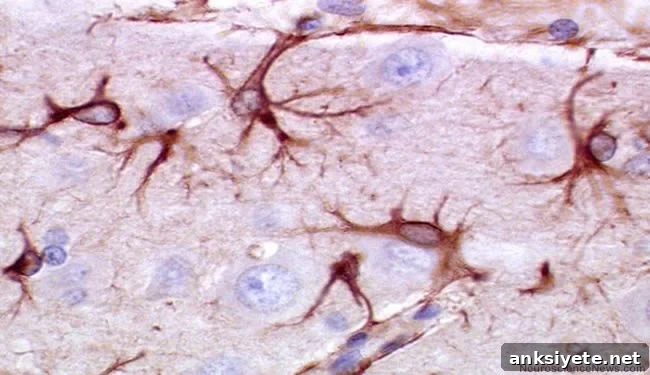
Astrocytes are versatile support cells in the central nervous system. They influence synaptic activity, regulate cerebral blood flow, and shape the brain’s responses to injury, including neurotrauma and stroke. Beyond these well-known roles, astrocytes also influence how neural stem cells produce new neurons—a process central to brain plasticity and repair.
Astrocytes limit tissue damage after stroke
Previous work from Professor Pekny’s team and their collaborators showed that astrocytes help limit brain tissue damage following stroke. They also demonstrated that modifying astrocyte activity can substantially improve the integration of transplanted neural stem cells. These earlier discoveries provided important context for the current study, which focuses on how astrocytes regulate the birth and survival of new neurons.
How new neurons are generated
The current study from researchers at Sahlgrenska Academy, with key contributions from Åbo Akademi, examines the cellular and molecular interactions between astrocytes and neural stem cells that determine how many new neurons are formed and retained. The investigators found that astrocytes exert dual forms of control: they release signaling molecules and engage in direct cell–cell communication with stem cells. Both modalities help orchestrate neurogenesis and determine how many newborn neurons survive to integrate into existing neural circuits.
Notch signaling and intermediate filaments: key regulators
According to Professor Pekny, the team identified the Notch signaling pathway as a principal route through which astrocytes communicate with neural stem cells to keep the production of new neurons in check. Astrocytes in direct contact with stem cells send Jagged1-mediated Notch signals that reduce the rate at which stem cells differentiate into neurons.
In addition, the authors describe an important role for the astrocyte intermediate filament network. Components of this cytoskeletal system within astrocytes appear to regulate the strength or outcome of the Notch-mediated signaling. Modulating astrocyte intermediate filaments may therefore present a way to increase neurogenesis by reducing the inhibitory influence these cells exert on neural stem cells.
Implications for brain plasticity and therapy
Neurogenesis is a core element of brain plasticity, contributing to learning as well as the brain’s capacity to recover after injury or stroke. By clarifying how astrocytes limit neuron production through cell contact and Notch signaling, this study provides a clearer picture of the cellular and molecular controls over regenerative potential in the adult brain. Understanding these mechanisms is an important step toward strategies that could therapeutically enhance plasticity and improve recovery following injury.
Targeting astrocyte behavior—either by altering signaling pathways such as Notch or by modifying the astrocyte intermediate filament system—may offer new avenues to increase the birth and integration of new neurons. Such approaches could complement existing regenerative or cell-transplantation therapies and might ultimately improve outcomes in conditions where repair of neural circuits is needed.
Notes on the study and contact information
By Krister Svahn
Contact: Milos Pekny, MD, PhD, Professor at Sahlgrenska Academy, University of Gothenburg
Source: University of Gothenburg press release summarizing the research
Image source: Astrocytes image adapted from Wikimedia Commons (public domain)
Original research: Abstract for “Astrocytes Negatively Regulate Neurogenesis through the Jagged1‑Mediated Notch Pathway” by Ulrika Wilhelmsson et al., published in Stem Cells (2012), DOI: 10.1002/stem.1196