
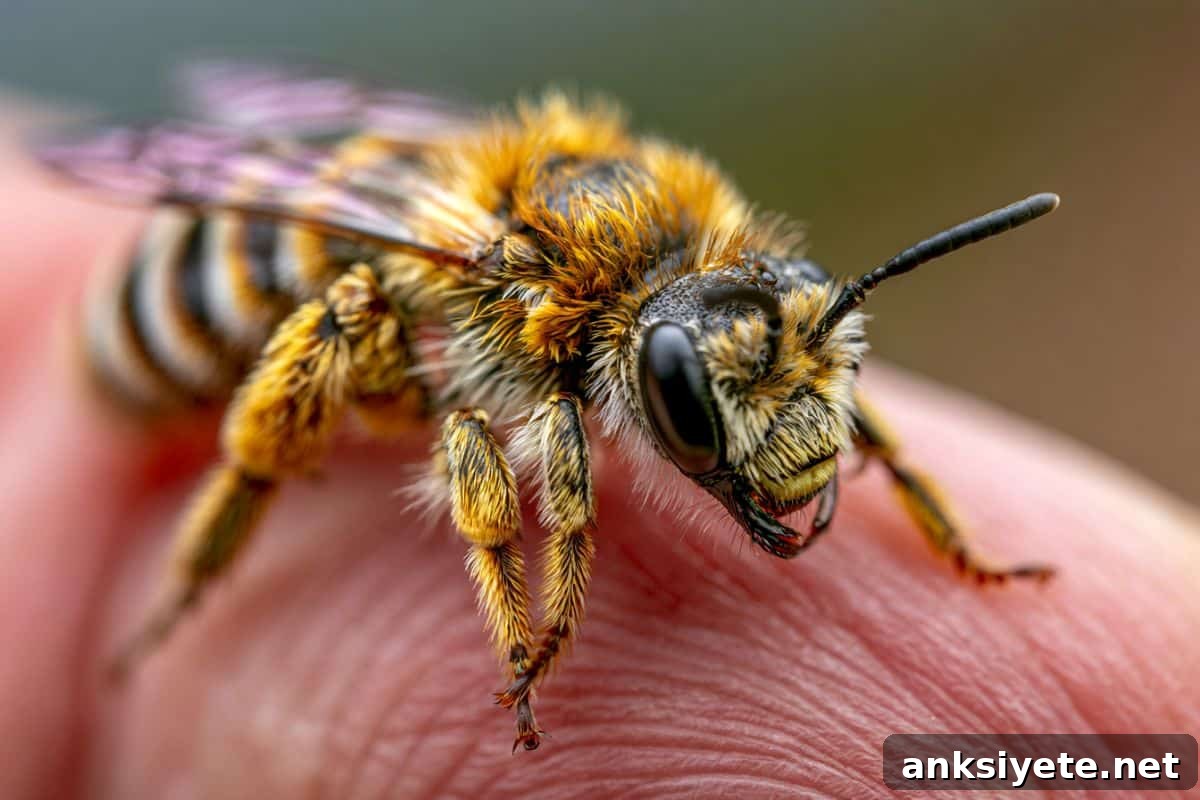
Summary: In a 6-hydroxydopamine (6-OHDA) mouse model of Parkinson’s disease, researchers gave daily doses of L‑DOPA/carbidopa from day 13 to day 30 after lesion, either alone or combined with freeze-dried bee venom. Behavioral testing showed that the combination produced markedly better outcomes than standard therapy alone.
Mice treated with L‑DOPA/carbidopa plus bee venom preserved nearly normal forelimb symmetry, dragged their paws less, demonstrated stronger lateralized motor recovery, and retained short-term recognition memory in novel object recognition tests. These results point to apitherapy components as promising adjuncts to conventional dopaminergic treatments.
Key Facts
- Potentiated motor efficacy: Adding freeze-dried bee venom to L‑DOPA/carbidopa restored forelimb symmetry and significantly reduced paw dragging compared with L‑DOPA/carbidopa alone.
- Cognitive preservation: In novel object recognition testing, animals receiving the combination therapy retained short-term recognition memory, while untreated Parkinsonian mice and those on L‑DOPA monotherapy showed sustained deficits.
- Superior corridor task results: The bee venom adjunct produced the highest degree of lateralized motor recovery in corridor tests, suggesting improved sensorimotor integration.
- Multi-target bioactive peptides: Bee venom contains neuroactive and anti-inflammatory components such as apamin and phospholipase A2, which may influence basal ganglia circuits and neuronal signaling.
- Mechanism remains unconfirmed: This study reported behavioral improvements but did not measure dopaminergic neuron survival or inflammatory biomarkers, so cellular and molecular mechanisms require further study.
Source: University of Guadalajara
Overview: Parkinson’s disease (PD) is a progressive neurodegenerative disorder driven by loss of dopamine-producing neurons. It leads to motor symptoms—tremor, rigidity, bradykinesia, postural instability—and to cognitive decline. Current therapies, including levodopa (L‑DOPA) given with carbidopa, improve symptoms but do not halt disease progression. Long-term L‑DOPA use can also bring complications such as motor fluctuations and dyskinesias, creating a need for adjunctive strategies that extend or enhance therapeutic benefit.
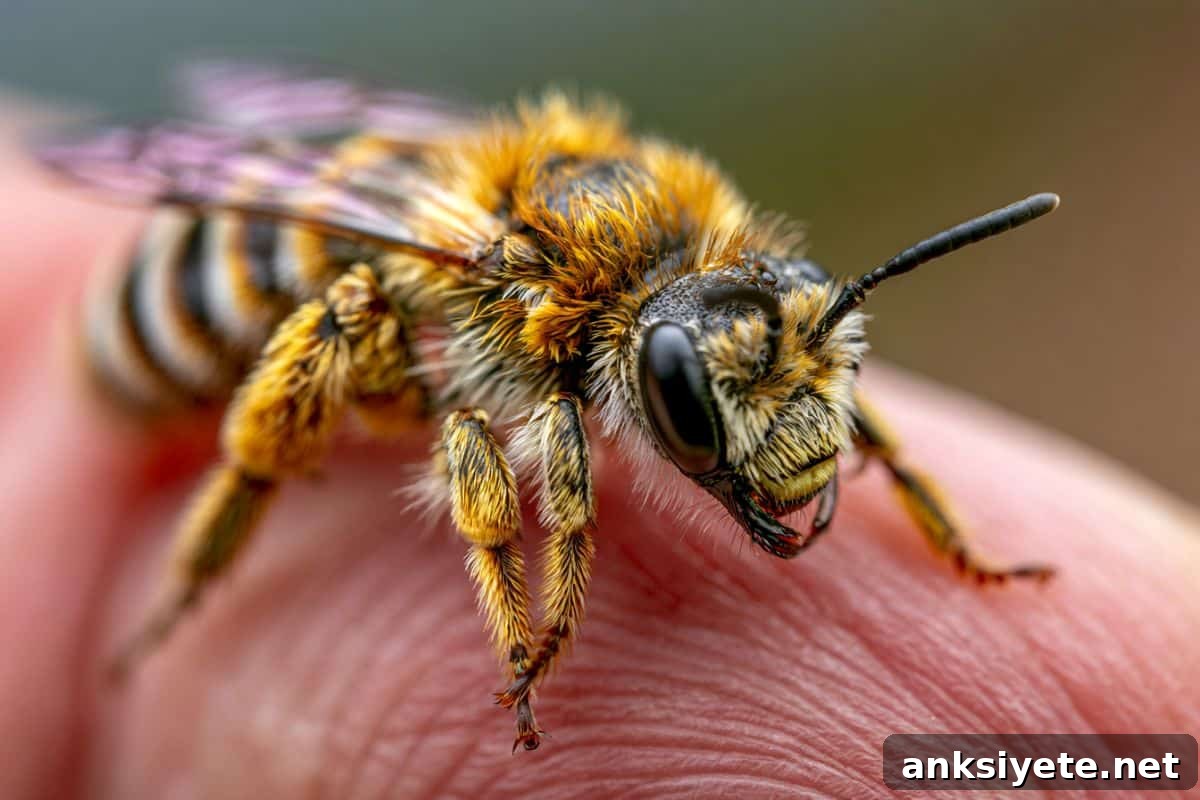
Researchers at the University of Guadalajara examined whether freeze-dried bee venom could enhance L‑DOPA/carbidopa therapy in a mouse PD model. Bee venom includes several biologically active molecules—melittin, apamin, phospholipase A2 and others—that have reported anti-inflammatory, antioxidant and neuromodulatory effects, making them candidates for adjunctive neurotherapeutics.
“Our goal was to determine whether bee venom could potentiate standard therapy in a 6‑OHDA model of Parkinson’s disease,” said lead author Professor Alma Karen Lomeli‑Lepe.
The study, published in Neuroprotection on May 20, 2026, used adult male CD‑1 mice assigned to four groups: SHAM controls, untreated 6‑OHDA lesion mice, lesioned mice treated with L‑DOPA/carbidopa, and lesioned mice treated with L‑DOPA/carbidopa plus freeze‑dried bee venom. Treatments were delivered from day 13 to day 30 post‑lesion. Motor and cognitive outcomes were assessed with the cylinder test (forelimb use and paw dragging), corridor test (lateralized retrieval), and novel object recognition (NOR) for short‑term memory.
Behavioral results favored the combination therapy. Mice receiving bee venom plus L‑DOPA/carbidopa showed near‑normal forelimb symmetry and significantly less paw dragging than those on L‑DOPA/carbidopa alone, indicating improved motor control. In the corridor test, the combination increased the retrieval index compared with L‑DOPA/carbidopa alone, signaling superior lateralized motor recovery. In the NOR test, bee venom co‑treatment preserved recognition memory, restoring discrimination indices to levels comparable with sham controls.
The investigators emphasize that this work measured behavioral outcomes only; histological validation of dopaminergic neuron survival and analysis of inflammatory or oxidative markers were not included. Therefore, while behavioral recovery was clear, the underlying cellular and molecular actions of bee venom—whether neuroprotective, neuromodulatory, anti‑inflammatory, or a combination—remain to be defined.
Taken together, these findings support the hypothesis that bee venom can augment standard dopaminergic therapy, improving both motor and cognitive domains in an experimental PD model. The results warrant follow‑up studies that include histology, molecular endpoints, dose optimization, and safety profiling to better understand translational potential.
“These behavioral benefits are encouraging,” Prof. Lomeli‑Lepe noted, “but we need detailed mechanistic studies before considering clinical relevance.”
While further research is essential, the study highlights apitherapy’s potential as an adjunctive approach to enhance symptomatic and functional outcomes in Parkinson’s disease models.
Key Questions Answered:
A: L‑DOPA restores dopamine and improves symptoms but often loses efficacy over time and can cause motor complications. Adjunct therapies aim to enhance benefit, reduce required doses, or protect remaining neurons to improve long‑term outcomes.
A: Bee venom contains apamin, which modulates small conductance Ca2+‑activated K+ channels, plus melittin and phospholipase A2. These and other peptides have been associated with anti‑inflammatory, antioxidant, and neuromodulatory effects in preclinical studies.
A: No. This investigation focused on behavioral measures. Determining whether bee venom prevents dopaminergic neuron loss or modifies inflammatory pathways requires histological and molecular analyses in future studies.
Editorial Notes:
- This article was edited by an editor at Neuroscience News.
- The journal paper was reviewed in full for accuracy.
- Additional explanatory context was added by editorial staff.
About this neuropharmacology and Parkinson’s disease research news
Author: Alma Karen Lomeli‑Lepe
Source: University of Guadalajara
Contact: Alma Karen Lomeli‑Lepe – University of Guadalajara
Image: The image is credited to Neuroscience News
Original Research: Open access. “Bee venom enhances dopaminergic function and behavioral recovery in a murine model of Parkinson’s” by Silvia Josefina López‑Pérez, Marco Antonio Noriega‑Ruiz, Alma Karen Lomeli‑Lepe. Neuroprotection. DOI: 10.1002/nep3.70038
Abstract
Bee venom enhances dopaminergic function and behavioral recovery in a murine model of Parkinson’s
Background
Parkinson’s disease involves progressive loss of dopaminergic neurons, producing motor dysfunction and cognitive decline. Although L‑DOPA/carbidopa remains the primary symptomatic therapy, its long‑term effectiveness diminishes, underscoring the need for adjuvant approaches that improve functional outcomes. This study tested whether freeze‑dried bee venom (BV) enhances the behavioral benefits of L‑DOPA/carbidopa in a mouse model of PD.
Methods
Adult male mice (3.0–3.5 months) were randomized into four groups: SHAM (saline injection in dorsomedial striatum, n=6); 6‑OHDA lesion (n=7); L‑DOPA/carbidopa treated lesioned animals (treatment from day 13 to day 30, n=7); and L‑DOPA/carbidopa plus BV treated lesioned animals (same treatment window, n=7). Motor asymmetry and paw dragging were measured with the cylinder test; lateralized function with the corridor test; and cognitive performance with the novel object recognition test. Behavioral data were analyzed using nonparametric statistics (Kruskal–Wallis with Dunn’s post hoc comparisons).
Results
Compared with 6‑OHDA lesion alone, cotreatment with BV and L‑DOPA/carbidopa significantly improved forelimb symmetry (H=15.16, p=0.001) and reduced contralateral paw dragging (H=19.91, p<0.001). In the corridor test, BV cotreatment increased the retrieval index relative to L‑DOPA/carbidopa alone (H=16.43, p<0.001). BV also prevented 6‑OHDA‑induced cognitive impairment in the NOR test, restoring discrimination indices to levels similar to SHAM controls (H=17.48, p<0.001).
Conclusion
These behavioral data indicate that freeze‑dried bee venom may act as a beneficial adjuvant to L‑DOPA/carbidopa, enhancing both motor and cognitive recovery in a mouse model of Parkinson’s disease. The findings support further research incorporating histological and molecular endpoints to clarify mechanisms and confirm translational potential.