Autoimmune Links Found in Parkinson’s Disease
featured 41699

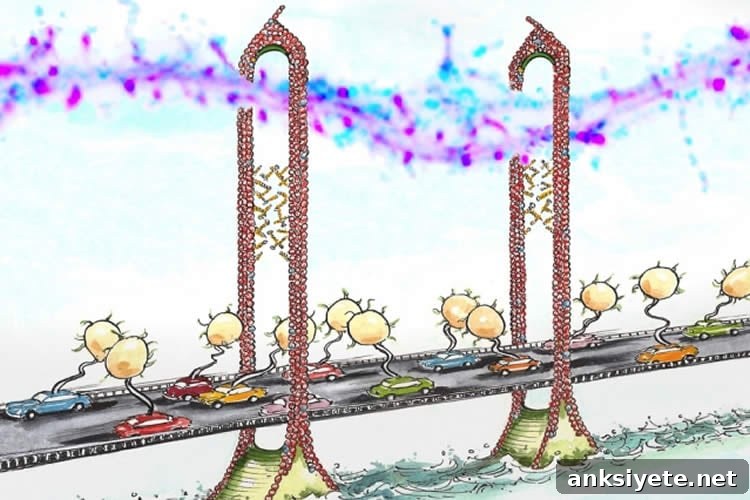
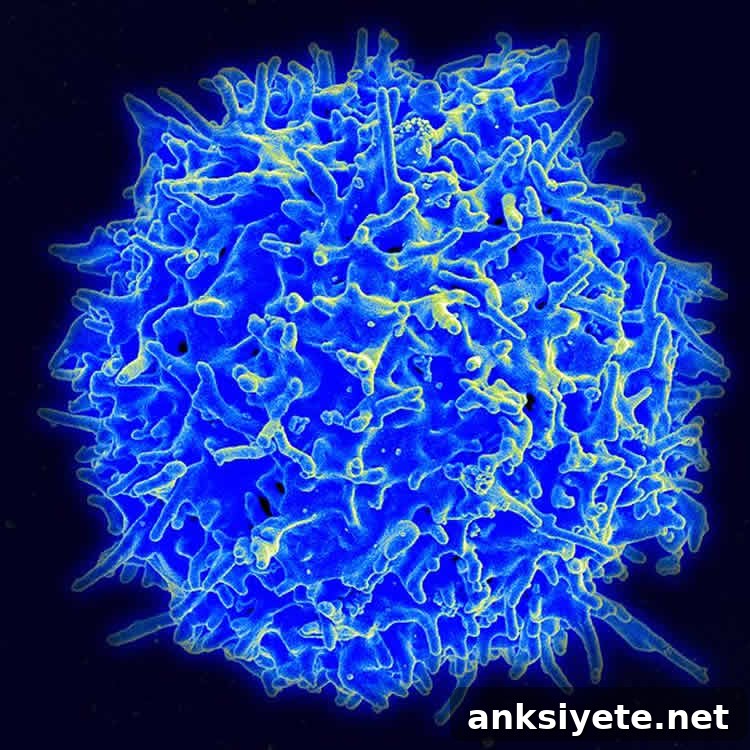
Summary: T cells may be misled into treating dopamine neurons as foreign because of accumulated, damaged alpha-synuclein, a new study reports. Source: Columbia University. First direct evidence that abnormal alpha-synuclein provokes an immune response in Parkinson’s disease Researchers at Columbia University Medical Center and the La Jolla Institute for Allergy and Immunology report the first … Read more

Western Diet Prevents Gut Microbiome Recovery After Antibiotics

featured 109553

Summary: New research from the University of Chicago shows that a Western-style diet high in processed foods and low in fiber prevents the gut microbiome from recovering properly after antibiotics. In mice, this diet blocked regeneration of a diverse, healthy microbiome and increased vulnerability to infections such as Salmonella. By contrast, a fiber-rich, plant-forward diet … Read more

How Genetics Shape Vocal Pitch and Voice Range

featured 94534

Summary: Researchers have identified common sequence variants in the gene ABCC9 that are linked to differences in human voice pitch. Using nearly 13,000 speech recordings from Icelandic volunteers together with genomic sequence data, scientists performed the first large-scale analysis connecting genetic variation to acoustic features of the human voice. The study found ABCC9 variants that … Read more

How Neurons Lose Connections: Synapse Loss Explained

featured 27062

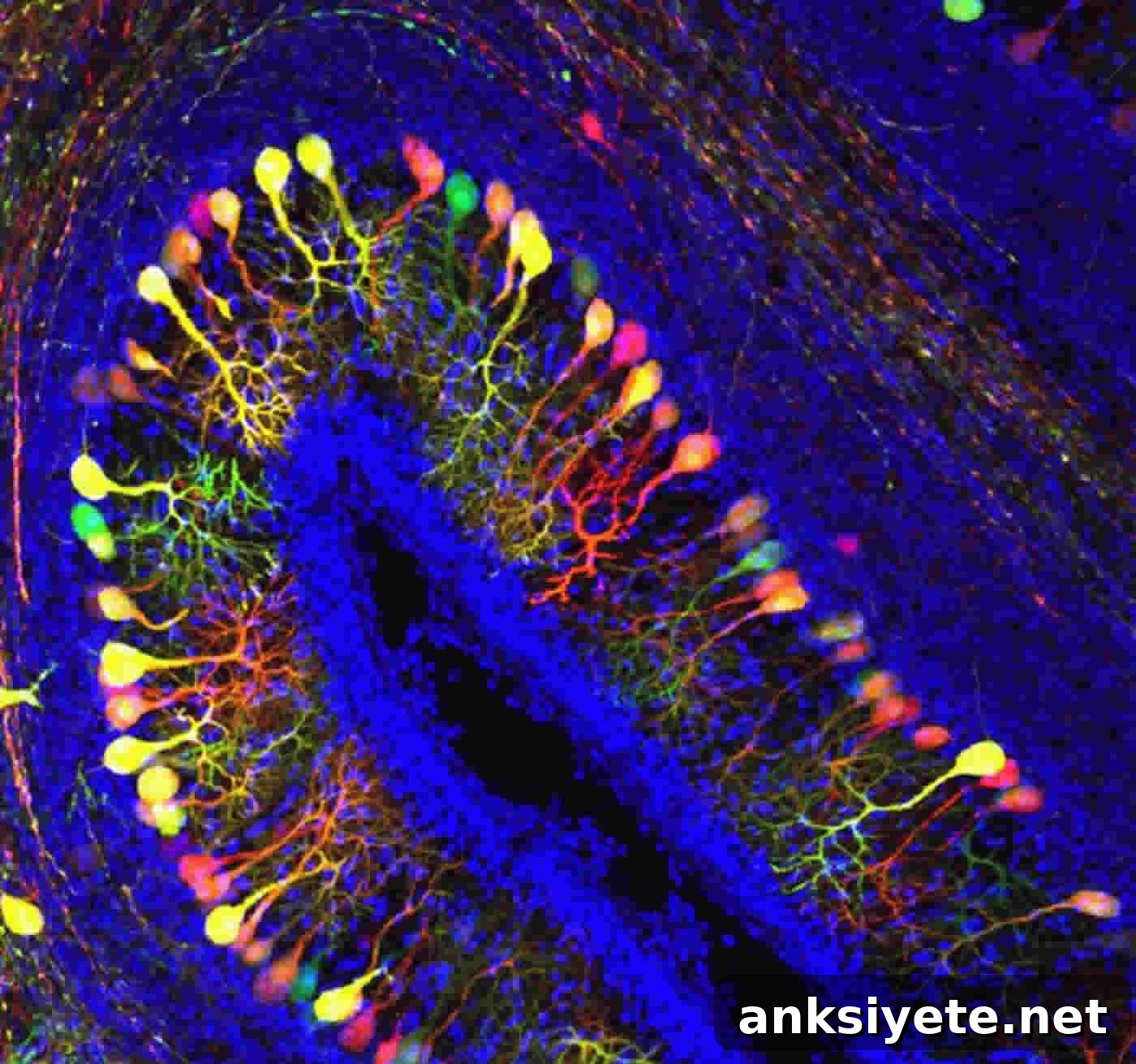
Scientists identify protein that allows brain cells to dampen their sensitivity. Strengthening and weakening connections between neurons—known as synaptic plasticity—is essential for brain development, learning, and everyday function. One mechanism neurons use to weaken synapses is the internalization of glutamate receptors from their surface, which reduces the cell’s responsiveness to excitatory signals. In a new … Read more

How Moms’ Baby Talk Boosts Infant Oxytocin

featured 106497

Summary: New research from UCL shows that when mothers regularly talk about their infants’ thoughts, feelings and intentions, their babies have higher levels of oxytocin. Oxytocin is a hormone closely tied to social bonding, emotional regulation and early relationship formation, and this study links maternal mind-minded speech to measurable changes in infants’ oxytocin. The study … Read more

Thyroid Hormone Transporter Controls Embryonic Brain Development

featured 38810

Summary: Researchers highlight the essential role of thyroid hormone transport in cerebellar development. Source: KU Leuven. Thyroid hormones play a critical role in brain development. When the proteins that transport these hormones into cells are impaired, the developing cerebellum—often called the “little brain”—suffers significant damage. Researchers from KU Leuven and King’s College London report new … Read more

How the Brain Keeps Old Memories While Making New Ones

featured 34762

Summary: Researchers have developed a new mathematical model that helps explain how the brain forms new memories without erasing older ones. Source: Zuckerman Institute. New mathematical model resolves a long-standing question about memory and offers a framework to guide future studies. Scientists at Columbia University have introduced a mathematical model that clarifies how the biological … Read more

AI Could Mislead Alien Signal Searches Like Human Perception

featured 61918

Summary: A new study raises questions about using current machine learning methods to identify possible signs of extraterrestrial intelligence. Source: FECYT An artificial neural network identified a square-like feature nested within a triangular formation in a crater on the dwarf planet Ceres. Several human observers also reported seeing similar shapes. The visual experiment, led by … Read more

Deep Brain Stimulation During Sleep May Improve Memory

featured 94328

Summary: New human brain recordings show how memory is consolidated during sleep and demonstrate that precisely timed deep-brain stimulation can strengthen that process. Researchers report that delivering targeted electrical pulses during a specific phase of deep sleep enhanced communication between the hippocampus—the brain’s memory hub—and widespread areas of the cerebral cortex. The findings offer physiological … Read more

New Research Shows Brain Decline Begins Later Than Expected

featured 91686

Summary: New research indicates that measurable decline in brain transmission speed begins in the 30s and 40s, later than the previously assumed onset around age 25. Source: University Medical Center Utrecht Recent findings from University Medical Center Utrecht (UMC Utrecht) suggest that the human brain’s processing speed matures and peaks later than commonly believed. Rather … Read more