How Constant Contact in Close Quarters Fuels Conflict

featured 117164

Summary: An international behavioral science study reveals a surprising “proximity paradox” among isolated crews. Using wearable proximity sensors and repeated psychological assessments during a 10-month overwinter mission at Concordia Station in Antarctica—a leading real-world analog for Mars missions—researchers tracked daily interpersonal contact and its relationship to team functioning. Contrary to common assumptions, the study found … Read more

Toxin Released During Heart Attacks Impairs Brain Function

featured 117126 1

Summary: Researchers have identified a critical biological mechanism in the heart-brain axis that explains how a heart attack can reshape brain function and contribute to depression, anxiety, and cognitive decline. The team found that a highly reactive byproduct, methylglyoxal (MG), rises in the bloodstream after myocardial infarction and accumulates in brain regions that govern mood … Read more

Ear Vagus Nerve Stimulation Boosts Motor Cortex Activity

featured 117156

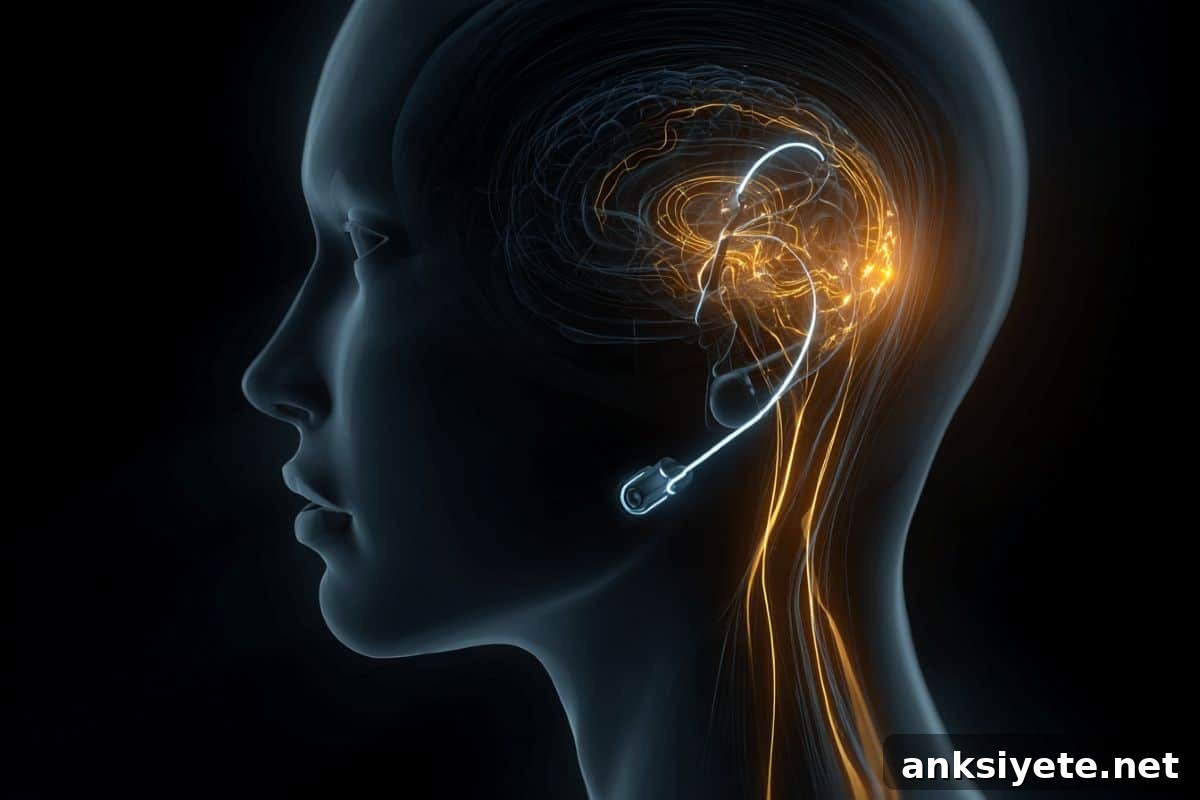
Summary: A precision neuroengineering study has provided the first localized evidence showing how noninvasive vagus nerve stimulation interacts with human motor pathways during active movement. The clinical trial tested transcutaneous auricular vagus nerve stimulation (taVNS) as an adjunct to physical therapy and demonstrated highly specific effects on movement-related brain activity and arousal, rather than broad … Read more

How Gut Signals Turn Sugar Cravings Into Protein Preference

featured 117122 1

Summary: A collaborative neurobiology study revealed how the gut detects protein deficiency and signals the brain to prioritize seeking essential amino acids. The research describes a two-pronged gut–brain signaling system that combines rapid neural circuits with slower hormonal pathways to change feeding priorities—reducing sweet cravings while increasing a drive for protein. Key Facts Protein is … Read more

How Laughter Reshapes Brain Architecture and Cuts Cognitive Load

featured 117152

Summary: A comprehensive neurodevelopmental review shows that laughter is a complex biological force that actively shapes early brain growth, emotional resilience, and parent–child neural synchrony. Drawing on findings from biology, psychology, and sociology, the research demonstrates that joy and humour act as an immediate countermeasure to stress. By promoting neuroplasticity, lowering cortisol, and reducing cognitive … Read more

Fat-Laden Microglia Linked to Rapid MS Progression

featured 117114 1

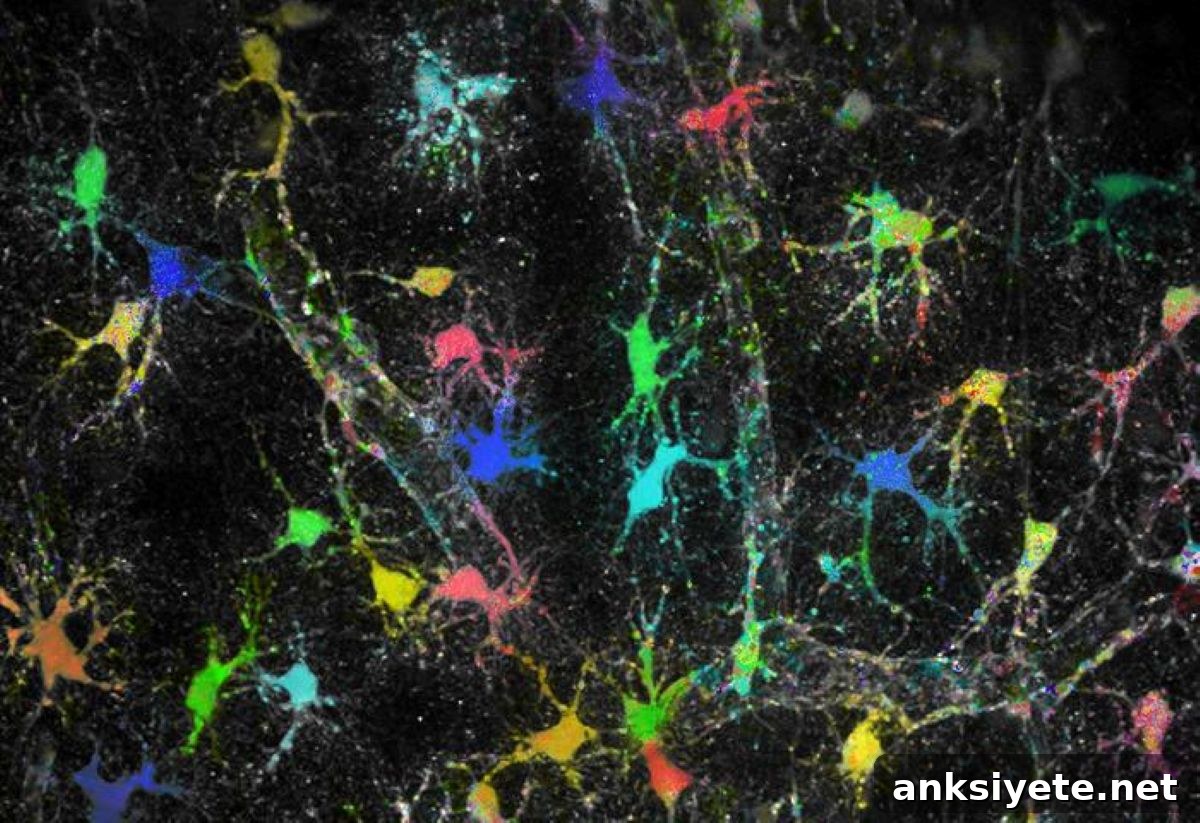
Summary: A collaborative neurobiology study has identified a cellular mechanism linked to the rapid and severe progression of multiple sclerosis (MS). An international team analyzed human post-mortem brain tissue and found that an overaccumulation of damaged myelin lipids transforms brain immune cells into dysfunctional, lipid‑laden “foamy microglia.” These cells become metabolically overwhelmed, lose their repair … Read more

Why People Avoid Wasted Effort More Than Exertion

featured 117147

Summary: A major re-evaluation of evidence in psychology and neuroscience argues that neither humans nor animals are intrinsically averse to effort. Rather than avoiding exertion itself, people avoid wasted effort—energy expended that produces no progress or yields rewards that don’t justify the cost. By systematically reviewing developmental studies and behavioral research, the authors show that … Read more

Long COVID Brain Inflammation Declines Months After Infection

featured 117110 1

Summary: A precision neuroimaging study from the University of Turku challenges the widespread idea that chronic, widespread brain inflammation is the main cause of Long COVID. Using advanced PET and MRI techniques alongside blood biomarkers, researchers compared people with Long COVID to healthy controls and to patients with multiple sclerosis (MS). The results show no … Read more

Astrocytes Tune Sodium Levels to Meet Local Synaptic Demand

featured 117139

Summary: A new study challenges the long-standing assumption that sodium levels are uniform across astrocytes, the star-shaped glial cells of the brain. Using a newly developed imaging approach, researchers visualized sodium concentrations in real time inside astrocytes and their ultrafine processes for the first time. The results show that instead of a single static baseline, … Read more

Machine Learning Doubles Depression Remission in Clinical Study

featured 117106 1

Summary: A first-of-its-kind clinical pilot found that a personalized, machine-learning–guided lifestyle coaching program substantially increased remission rates for people with mild-to-moderate depression. By using smartwatch data and frequent self-reports to identify each person’s top behavioral drivers of low mood, the intervention nearly doubled typical remission outcomes and produced lasting gains in anxiety, cognition, and quality … Read more