Stimulating a Brain Region Sparks Intense Cocaine Cravings

featured 42976

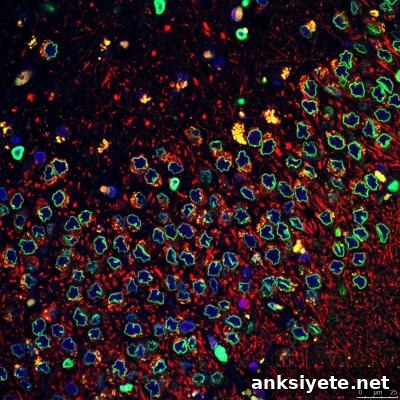
Summary: Optogenetic stimulation of the amygdala increases the motivation to consume cocaine in rats, producing behavior that resembles aspects of addiction. Source: University of Michigan. Activation of an Amygdala Circuit Intensifies Cocaine Seeking Researchers at the University of Michigan have identified a region within the amygdala that can dramatically amplify an animal’s motivation to obtain … Read more


Consumer Products Linked to Nearly 75% of Under-19 TBIs

featured 58409

Summary: A new analysis identifies the consumer products and activities most often linked to non-fatal traumatic brain injuries (TBI) among children and adolescents aged 0–19. For infants, falls from beds are a leading cause of head injury, while organized sports—particularly American football—account for the largest share of TBIs in older children and teens. Source: Taylor … Read more

Why You Temporarily Lose Hearing After Loud Noise

featured 54714

Tectorial Membrane Stores Calcium and Explains Temporary Hearing Loss After Loud Sounds Summary: Researchers at Linköping University report that the tectorial membrane in the cochlea acts as a calcium reservoir that helps regulate sensory cell function. This discovery provides a likely explanation for the brief hearing impairment many people experience after exposure to loud sounds, … Read more

Researchers Identify Protein Behind Parkinson’s Neuron Loss

featured 7999

Stem cell study may help unravel how an LRRK2 genetic mutation leads to Parkinson’s disease symptoms Researchers at the Salk Institute for Biological Studies have used patient-derived stem cells to identify a previously underappreciated mechanism that could link a common Parkinson’s disease mutation to neural dysfunction. By reprogramming skin cells from patients carrying a pathogenic … Read more

New Study Reveals How the Brain Enables Social Cognition

featured 13470

Understanding why people with autism and schizophrenia have difficulties with social interaction Researchers from Aarhus University and the University of Copenhagen report new experimental evidence that the brain’s mirror system plays a causal role in how people understand the actions of others. The study, to be published in Psychological Science, shows that specific motor regions … Read more

Adaptive Neuromorphic Chip Learns Like Neurons, Cuts Energy Use

featured 113115

Summary: Researchers have created a brain-inspired semiconductor device that reproduces a neuron’s ability to change its sensitivity based on experience—known as intrinsic plasticity. The “Frequency Switching Neuristor” combines two complementary memristor types to control spike frequency, allowing the artificial neuron to learn from past activity and autonomously adapt its response. This hardware-level plasticity cuts energy … Read more

Why One Anxiety Treatment Isn’t Enough

featured 49211

Summary: A long-term follow-up suggests a single course of treatment may not keep most young people with anxiety well over time. Source: Kim Krieger — UConn Only about one in five young people treated for anxiety remain symptom-free in the long term, according to researchers at UConn Health publishing in the Journal of the American … Read more

Why Studies Overlook Socially Isolated Children

featured 74662

Summary: A new study distinguishes peer rejection from social network isolation in early adolescence. Children who are rejected by classmates tend to show more aggressive and less prosocial behavior, while children who are socially isolated are more likely to demonstrate withdrawn, internalizing behaviors and to expect less peer support when bullied. Source: North Carolina State … Read more

Scientists Uncover Mechanism for Brain Region Communication

featured 83074

Summary: Increasing synchronization among neurons in an upstream brain region that sends information markedly improves the fidelity and processing of that information in downstream regions. Source: Bar-Ilan University In the early 20th century, researchers first began measuring brain activity using electrodes on the scalp. They discovered slow and fast rhythmic patterns of electrical activity—now commonly … Read more

Neural Circuit That Detects Male Pheromones Triggering Aggression

featured 68323

Summary: Researchers have identified a specific neural circuit that detects male pheromone signals involved in inter-male aggression. Source: Chinese Academy of Sciences In a study published in Neuron, scientists from Dr. XU Xiaohong’s laboratory at the Institute of Neuroscience, Center for Excellence in Brain Science and Intelligence Technology, Chinese Academy of Sciences, describe a previously … Read more