
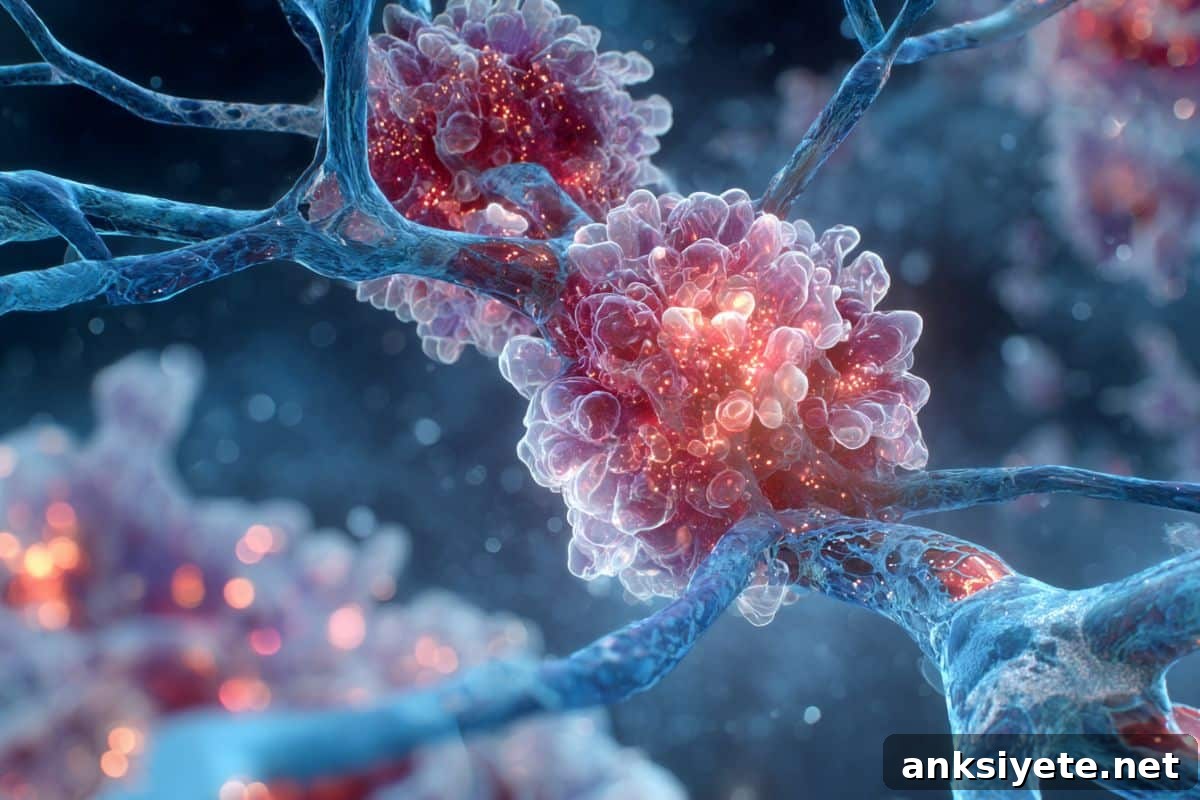
Summary: A tiny four–amino acid peptide called CAQK has shown strong neuroprotective effects in experimental models of traumatic brain injury (TBI). Given intravenously soon after injury in mice and pigs, CAQK homes to damaged brain tissue, binds to proteins that become overexpressed after trauma, and reduces inflammation, cell death, and tissue damage.
Animals treated with CAQK showed improved memory and motor function without signs of toxicity, indicating potential for a safe, non‑invasive therapeutic approach. The developers plan to seek regulatory approval to begin human clinical trials, representing an important step toward drug-based treatments for acute brain trauma.
Key Facts:
- Targeted repair: CAQK selectively accumulates in injured brain regions and reduces inflammation and neuronal loss.
- Non-invasive delivery: Effective when delivered intravenously, avoiding direct injections into the brain.
- Preclinical success: Demonstrated functional recovery in mice and pigs with no overt toxicity; plans for human trials are underway.
Source: CSIC
The Institute for Advanced Chemistry of Catalonia (IQAC) of the Spanish National Research Council (CSIC) has collaborated with researchers in the United States to demonstrate that CAQK, a short tetrapeptide, provides neuroprotection in animal models of traumatic brain injury.
When administered intravenously shortly after moderate or severe TBI in mice and pigs, CAQK accumulates selectively in damaged brain regions. The peptide is attracted to an extracellular matrix glycoprotein complex that becomes upregulated in injured tissue, allowing CAQK to concentrate where it is needed most.
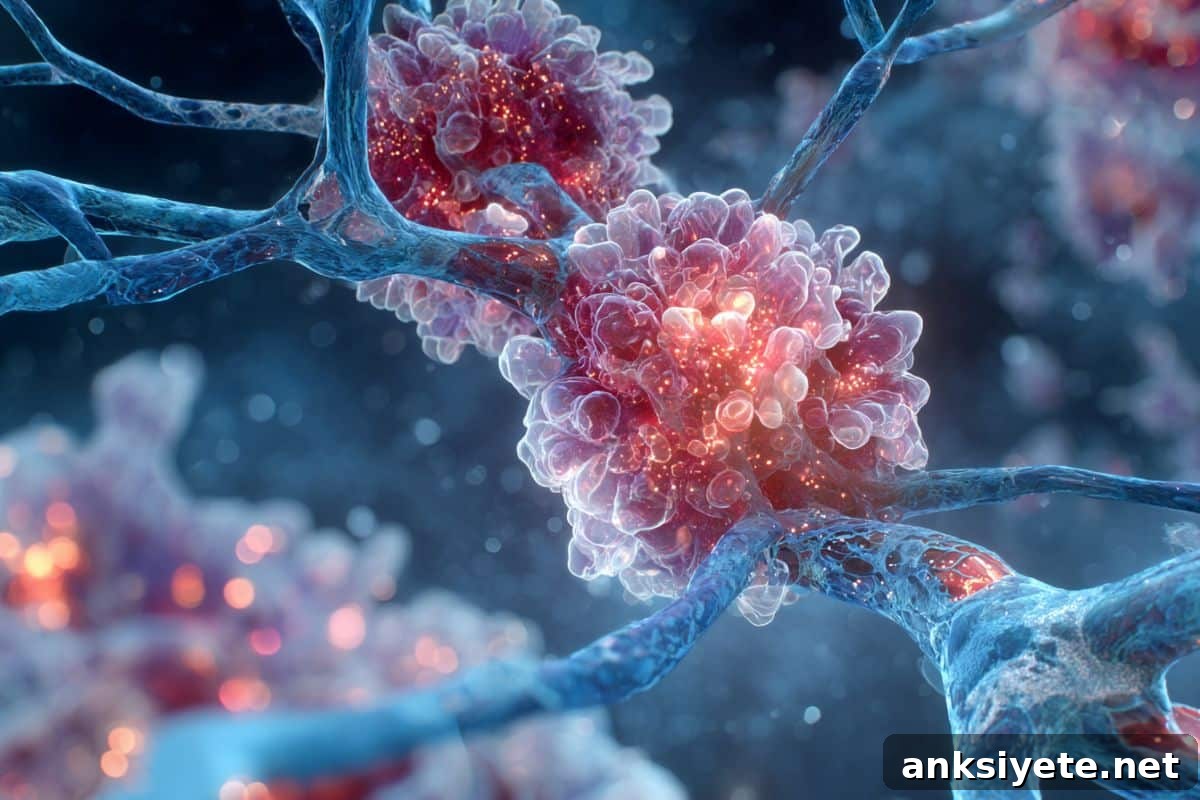
In treated animals, CAQK reduced lesion size, decreased apoptotic cell death, and lowered expression of inflammatory markers in the injured area. Behavioral testing after treatment revealed improvements in motor skills and memory tasks in mice, and no overt toxicity was observed in the preclinical studies.
The study, published in EMBO Molecular Medicine, was led by Aivocode—a spin-off from the Sanford Burnham Prebys Medical Discovery Institute—and conducted in collaboration with IQAC‑CSIC and the University of California, Davis.
Aivocode founders and study authors Aman P. Mann, Sazid Hussain, and Erkki Ruoslahti plan to seek authorization from the U.S. Food and Drug Administration to initiate Phase I clinical testing in humans. While no specific start date has been announced, CAQK’s simple chemical structure, ease of synthesis, favorable tissue penetration, and low immunogenicity make it an attractive candidate for drug development.
Traumatic Brain Injury (TBI)
TBI typically results from blunt impact to the head—common causes include traffic collisions, falls, and workplace accidents. It affects large numbers of people worldwide and often leads to long‑term neurological deficits. Current acute care focuses on stabilizing patients by managing intracranial pressure and maintaining blood flow; however, there are no approved drugs that directly prevent the primary damage or the damaging secondary responses such as neuroinflammation and cell death.
Many experimental therapies require direct delivery into the brain, an invasive approach that carries risk. CAQK’s capacity for intravenous delivery and selective targeting of injured tissue addresses this major clinical challenge, offering a less invasive route that concentrates therapeutic effect in the affected region.
The CAQK peptide was originally identified in earlier work by the research team using peptide‑phage display, a screening method that finds molecules with affinity for specific tissues. In prior studies CAQK served as a targeting “vehicle” to deliver treatments to injured brain tissue; the current work demonstrates that the peptide itself provides direct therapeutic benefit.
Mechanistically, CAQK binds to components of the extracellular matrix—glycoproteins that increase after injury—modulating the local environment to reduce inflammation and apoptosis. In both small and large animal models, this binding corresponded with measurable reductions in lesion size and improved functional outcomes compared with untreated controls.
“We observed less cell death and lower expression of inflammatory markers in the injured area, indicating that CAQK alleviated neuroinflammation and its secondary effects. Behavioral and memory tests conducted after treatment also showed improvement in functional deficits, with no evident toxicity,” said Dr. Aman P. Mann, the study’s first author.
Dr. Pablo Scodeller of IQAC‑CSIC, a co-author, added: “What’s especially promising is that CAQK is a very simple compound—easy to synthesize at scale, with good tissue penetration and low likelihood of provoking an immune response.”
Key Questions Answered:
A: CAQK can be given intravenously and selectively accumulates in injured brain tissue, reducing the need for invasive procedures.
A: The peptide binds to glycoprotein components of the extracellular matrix that are upregulated after injury, dampening inflammation and protecting neurons.
A: The developers plan to request FDA authorization to start Phase I clinical trials, with timelines to be determined.
About this neuropharmacology and TBI research news
Author: Pilar Quijada
Source: CSIC
Contact: Pilar Quijada – CSIC
Image: The image is credited to Neuroscience News
Original Research: Open access. “A neuroprotective tetrapeptide for treatment of acute traumatic brain injury” by Aman P. Mann et al., published in EMBO Molecular Medicine.
Abstract
A neuroprotective tetrapeptide for treatment of acute traumatic brain injury
Traumatic brain injury is a major clinical problem due to its high incidence and the severity of persistent neurological deficits. Despite extensive efforts, no drugs are currently approved to treat acute TBI. To address this gap, researchers tested the tetrapeptide CAQK in animal models. When administered intravenously shortly after moderate or severe TBI, CAQK accumulates in injured brain tissue in both mice and pigs and binds to an upregulated extracellular matrix glycoprotein complex.
Treatment with CAQK reduced lesion size, limited apoptosis, and decreased inflammatory marker expression in the injured area, indicating that the peptide alleviates neuroinflammation and secondary injury. CAQK-treated animals also showed functional improvement without apparent toxicity, supporting the peptide’s potential therapeutic application for traumatic brain injury.