How Maternal Diet Shapes Children’s Brain Reward Circuits

featured 43668

Summary: New research using a rat model shows that when mothers consume a high-fat, high-sugar “Western” diet during pregnancy and lactation, their pups gain extra weight during suckling, display a stronger immediate preference for fatty taste after weaning, and develop long-lasting alterations in brain reward circuits linked to eating behavior. Childhood access to a balanced … Read more


Do Smarter Animals Cause More Trouble for Humans?

featured 49753

Summary: Researchers explored how animal cognition contributes to different forms of human–wildlife conflict and found that some species become bolder and take more risks as they habituate to urban environments. Source: University of Wyoming Have you ever watched a raccoon rifling through backyard trash, seen a rat dart across a subway platform, or had to … Read more

Routine Depression Screening Reveals Underdiagnosed Patients

featured 85593

Summary: Routine depression screening in primary care can improve diagnosis and reduce disparities in who receives care, a UC San Francisco study finds. Source: UCSF Screening for depression in primary care substantially increases the likelihood that adults who are traditionally undertreated—racial and ethnic minorities, older adults, people with limited English proficiency and men—will be identified … Read more

When Attention and Awareness Become Uncoupled

featured 5549

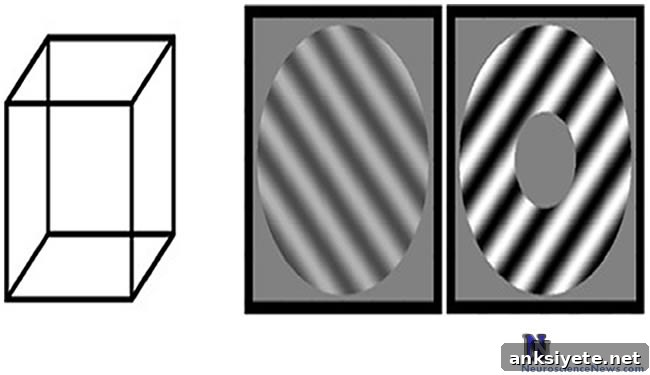
Brain imaging uncouples attention and awareness in the primary visual cortex Attention and awareness often feel inseparable in daily life: when you focus on the scissors at the right of your desk, you notice details such as their red handles; conversely, the red handles can draw your attention to the scissors. Yet recent behavioral work … Read more

Study Finds Teen Cannabis Use Linked to Thinner Brain Cortex

featured 105678

Summary: New research indicates that cannabis use during adolescence may be linked to thinning of the cerebral cortex, a brain region vital for learning, decision-making, and social behavior. The study shows that THC (tetrahydrocannabinol), the primary psychoactive compound in cannabis, can reduce the complexity of dendritic arbors—the branching structures that enable neurons to receive and … Read more

Genetic Markers Predict Postpartum Depression Risk

featured 9721

Epigenetic changes detectable in maternal blood during pregnancy may predict postpartum depression New research indicates that specific epigenetic modifications — chemical changes that affect gene activity without altering the DNA sequence — can be identified in the blood of pregnant women at any trimester. These markers may help predict the risk of postpartum depression weeks … Read more

Deep Brain Stimulation Fails to Improve Memory, Study Finds

featured 37074

Summary: A new study finds that deep brain stimulation (DBS) in memory-related regions does not improve memory and instead impairs performance. Source: Cell Press. Researchers at Columbia University report that direct electrical stimulation of brain regions involved in memory formation does not enhance memory and instead produces measurable impairments. Published December 7 in Neuron, the … Read more

How Politics Changes How We See Men’s and Women’s Faces

featured 81798

Summary: People with wider faces tend to be seen as more dominant and as having stronger leadership qualities than those with narrower faces. This effect is especially pronounced for men, whose wider faces were also judged as more electable. Political orientation alters these perceptions: conservatives showed a stronger bias against women’s faces and were less … Read more

How Food Smells Can Transport You Back in Time

featured 86911

Summary: A Lancaster University-led study investigated whether compact, 3D-printed, flavor-based cues can trigger vivid autobiographical memories in older adults. Results show that tasting personalized flavor cues tied to past food experiences can prompt strong “mental time travel” and reveal sensory-rich details of early events. Source: Lancaster University Researchers found that older adults exposed to edible … Read more

MRI Finds Minimal Brain Differences in Children with ADHD

featured 80581

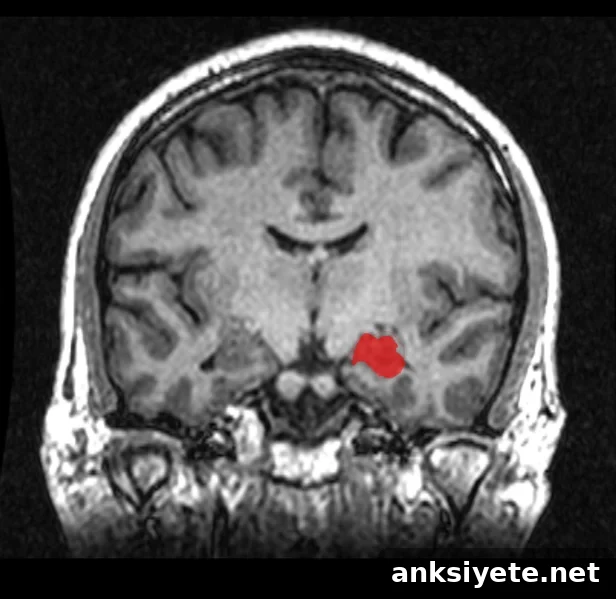
Summary: A large neuroimaging study reports that children aged 9–10 with attention-deficit/hyperactivity disorder (ADHD) show only small differences in structural brain measurements compared with peers without ADHD. Source: Duke University Researchers at Duke University School of Medicine report that MRI scans of children aged 9 to 10 years with ADHD revealed only modest structural brain … Read more