Potential Parkinson’s Biomarker Identified in New Study

featured 11696

Skin Biopsy Reveals Potential Biomarker for Early Parkinson’s Disease: Alpha-Synuclein in Cutaneous Nerves Researchers have identified a possible, accessible biomarker for Parkinson’s disease located just beneath the skin. Parkinson’s disease is the second most common neurodegenerative disorder in the United States, affecting more than one million people. Diagnosis today relies largely on clinical history and … Read more

Can People in a Vegetative State Recognize Loved Ones?

featured 12834

TAU researchers find unresponsive patients’ brains may recognize photographs of their family and friends. Patients diagnosed as being in a vegetative state are awake, breathe on their own, and often cycle through sleep and wakefulness, yet they show no overt responses to their surroundings and traditionally have been considered without conscious awareness. Because they cannot … Read more

Heart Failure Linked to Faster Brain Aging

featured 108384

Summary: A large new study finds that heart failure is linked to accelerated cognitive decline, with affected individuals showing the mental equivalent of ten years of aging within seven years of diagnosis. Researchers followed nearly 30,000 adults and observed a sharp drop in cognitive performance at the time heart failure was diagnosed, followed by more … Read more

AI Pills Track Gut Microbiome in Real Time

featured 103158

Summary: Researchers at the University of Southern California have developed an AI-driven system that tracks tiny ingestible devices designed to monitor disease markers inside the gut. This non-invasive approach could enable people to evaluate and monitor gastrointestinal (GI) health at home, reducing the need for invasive hospital procedures. The system combines a discreet wearable coil … Read more

How the Hippocampus Predicts Missing Words in Language

featured 34395

Summary: Researchers report that memory and language are closely connected through the hippocampus. Source: UC Berkeley New research finds that completing someone’s sentence or answering a fill-in-the-blank task engages the hippocampus, a brain region long associated with memory but often overlooked in studies of language. It may seem obvious that language depends on memory—words, context, … Read more

How Memories Shape Decisions and Your Future Wellbeing

featured 106551

Summary: A new interdisciplinary framework integrates psychology and economics to explain how memorable experiences shape long-term choices. The model distinguishes the immediate pleasure or pain of consumption from a persistent “remembered utility” that arises from particularly impactful events—weddings, career milestones, or traumatic episodes—and shows how these memories influence later decisions about risk, saving, and consumption. … Read more

Scientists Identify Brain Circuitry Behind Pain’s Emotional Toll

featured 78200

Summary: A rodent study identifies a brain circuit that appears to drive pain-induced anhedonia. Manipulating this pathway restored motivation in preclinical pain models. Source: NIDA / NIH A new study published in Nature Neuroscience reveals specific neuronal circuitry in rodents that contributes to pain-induced anhedonia — a reduction in motivation to pursue rewarding activities. Funded … Read more

B Vitamins Improve Focus in First-Episode Psychosis

featured 53592

Summary: New research indicates that supplements containing vitamins B12, B6 and folic acid (vitamin B9) may help preserve concentration and attention in young people experiencing a first episode of psychosis. Source: Orygen B-group vitamins and concentration in first-episode psychosis Researchers from Orygen, the National Centre of Excellence in Youth Mental Health, report that supplementation with … Read more

How Genetics Drive Higher Chronic Pain Rates in Women

featured 73138

Summary: New genetic research helps explain why women are more likely than men to develop chronic pain conditions. The study also reinforces the central nervous system’s key role in chronic pain and highlights the importance of analyzing sexes separately in genetic research. Source: PLOS Researchers report that chronic pain appears to have a different genetic … Read more

How Astrocytes Influence Brain Disorders

featured 85887

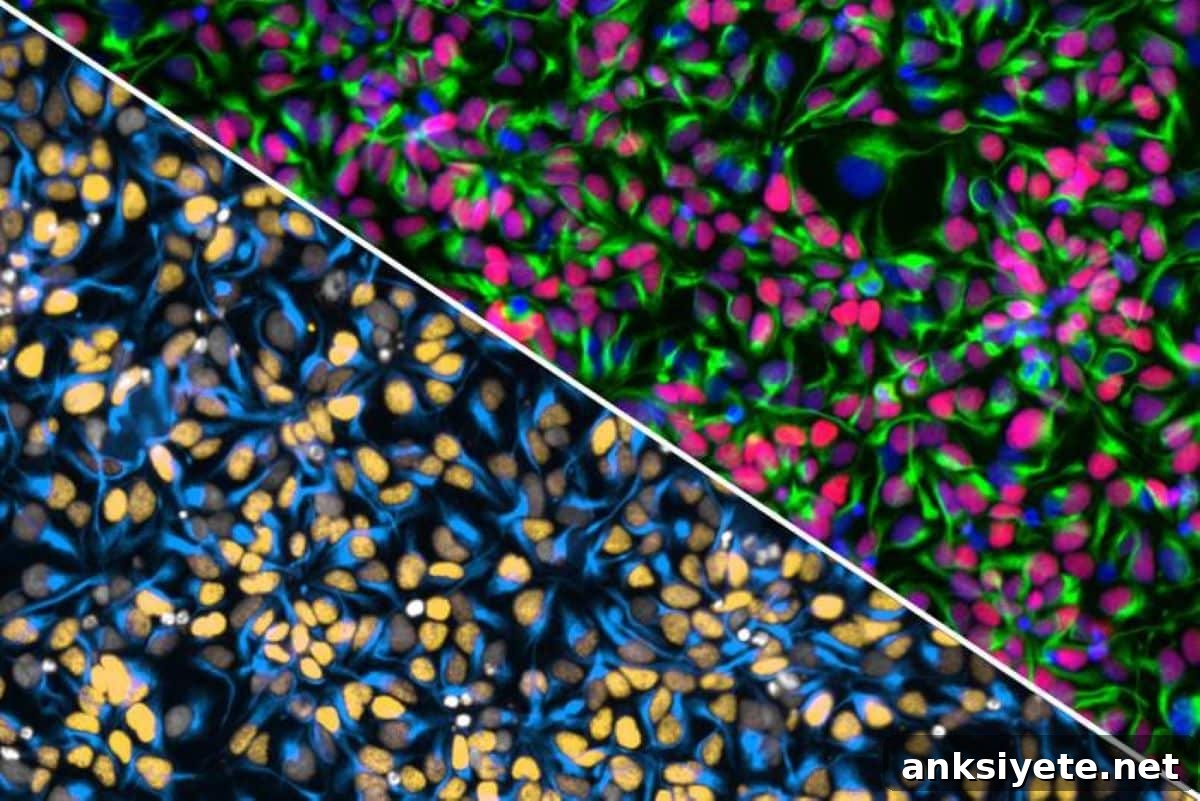
Summary: New research identifies an astrocyte-produced protein that disrupts normal neuronal development across multiple neurodevelopmental disorders, and shows that blocking this protein can reduce disease-related deficits in mice. Source: Salk Institute Although neurons are often the focus of studies into brain health and neurological disease, astrocytes—star-shaped glial cells abundant in the brain—play crucial roles in … Read more