Amyloid Precursor Protein (APP) Protects Neurons in Alzheimer’s

featured 117751 1

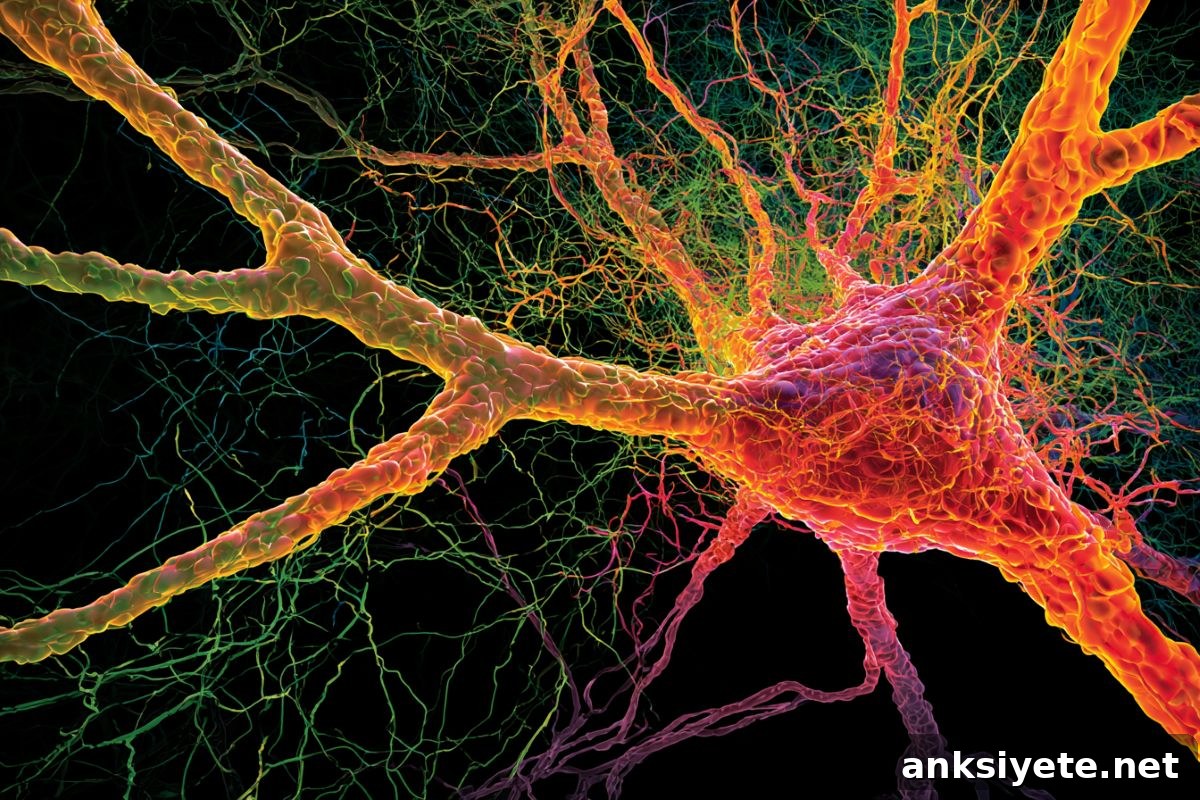
Summary: A new study from Niigata University reveals an unexpected, protective role for full-length Amyloid Precursor Protein (APP). Rather than only serving as the precursor to toxic amyloid-β (Aβ) fragments associated with Alzheimer’s disease (AD), intact APP acts as a cellular defender that helps neurons expel damaged nuclear material. This mechanism prevents buildup of nuclear … Read more

Implantable BCI Begins Clinical Trial for Advanced ALS

featured 117767

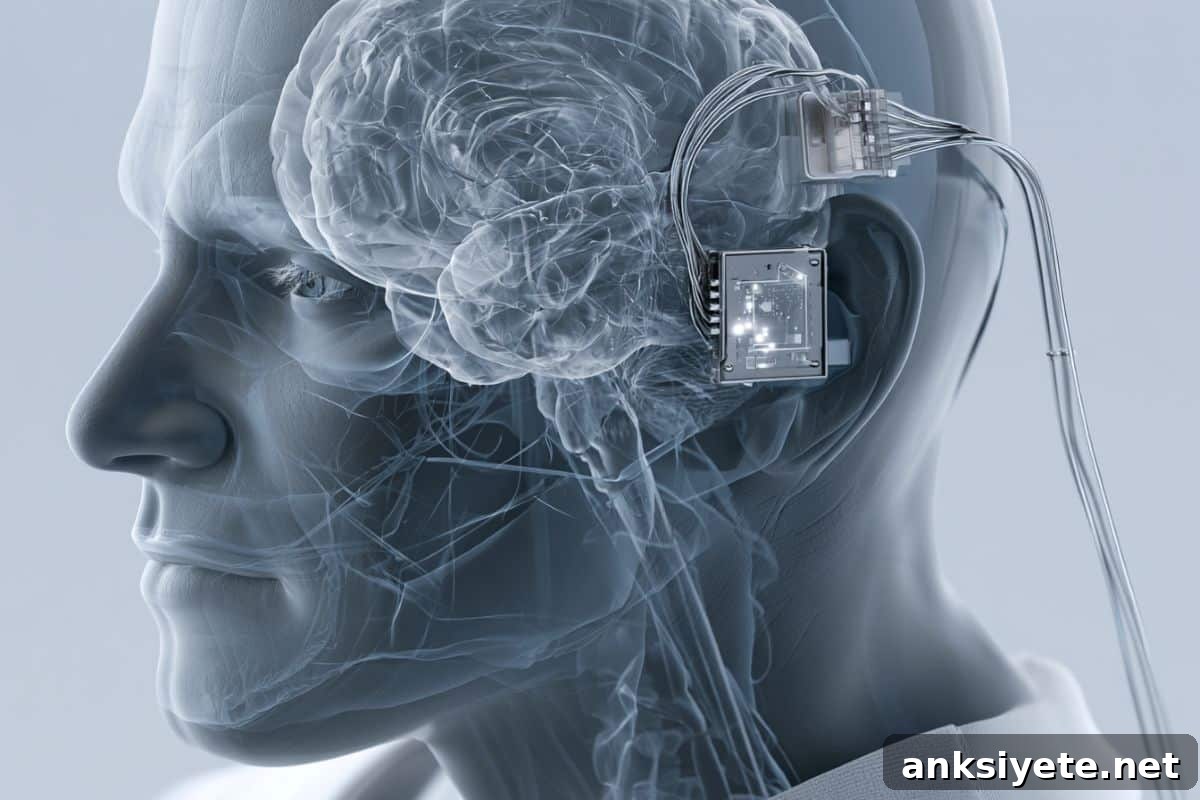
Summary: Neurosurgeons at University of Michigan Health have completed the first-in-human permanent implant of the Paradromics Connexus wireless brain-computer interface (BCI). The procedure aims to restore natural communication for a woman living with a severe motor neuron disease by translating cortical electrical activity into text and synthesized speech. The Connexus system uses a high-density intracortical … Read more

Developing Neurons Sustain Repairable DNA Damage While Migrating

featured 117747 1

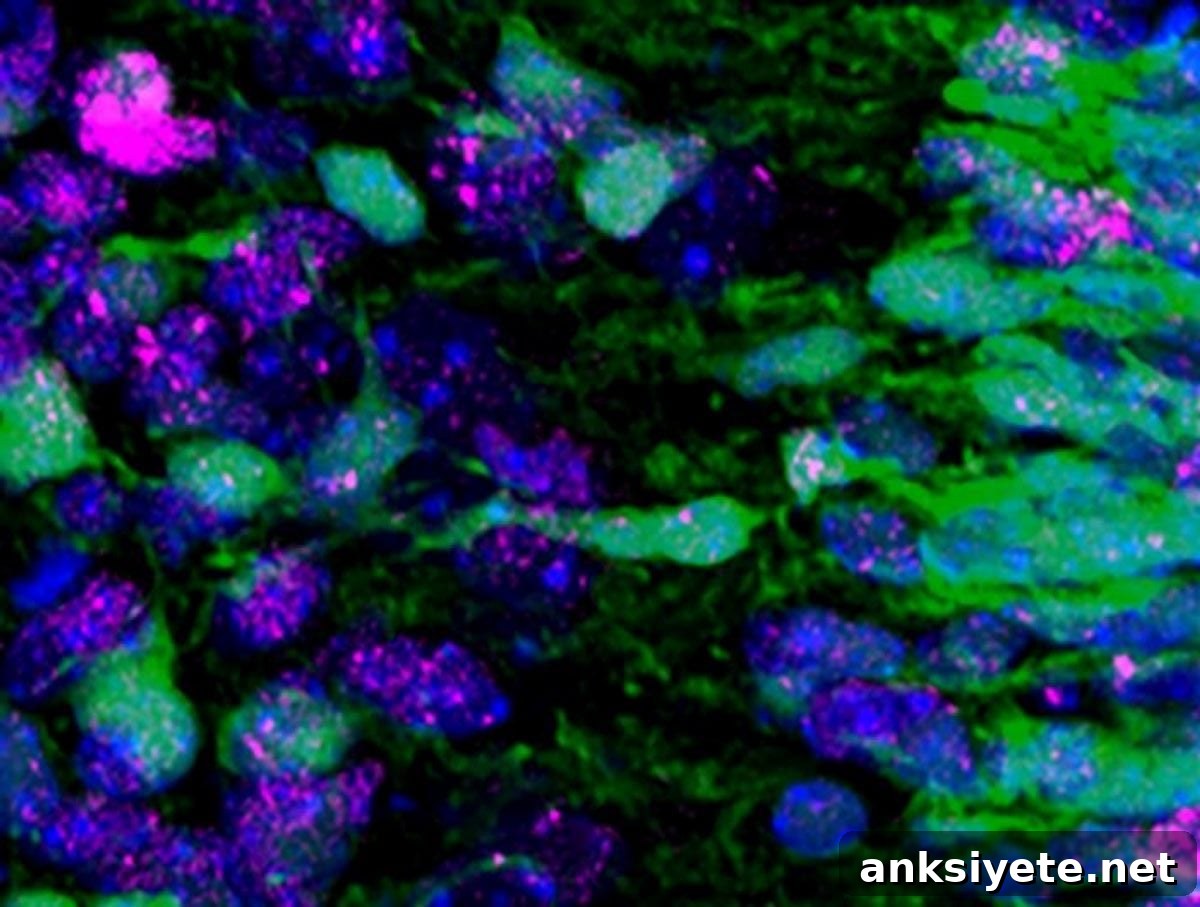
Summary: As newborn neurons migrate through the densely packed tissue of the developing brain, the physical squeeze they undergo produces widespread, severe DNA damage in the form of double-strand breaks (DSBs). Researchers found that when neurons pass through tight spaces while building cortical circuits, both strands of the DNA double helix are sometimes severed. Rather … Read more

New Study: Great Apes Upend Human Models of Social Intelligence

featured 117763

Summary: Great ape cognition is highly individual, changeable over time, and organized differently from human intelligence. Tracking 48 chimpanzees, bonobos, gorillas, and orangutans over 18 months, researchers found that cognitive differences between individuals are stable across time and strongly shaped by rearing history, sex, and social group membership. Importantly, while human social abilities tend to … Read more

Ingestible Vibrating Capsule May Predict Anorexia Relapse

featured 117738 1

Summary: Researchers used an innovative, remotely controlled vibrating capsule to identify indicators of relapse risk in people recovering from anorexia nervosa. The study shows these individuals have altered interoception—the ability to accurately sense, process, and trust internal gut sensations—which remains disrupted even after weight is restored. The research team evaluated 62 females who had been … Read more

Probiotics May Improve Depression When Used With Antidepressants

featured 117759

Summary: In a randomized pilot trial, adding a daily probiotic supplement to standard antidepressant care produced modest but meaningful reductions in depression and anxiety symptoms among older adults with moderate unipolar depression. The 24-week study of 58 participants aged 60 and over used fecal microbiota profiling and serum brain-derived neurotrophic factor (BDNF) measurements to evaluate … Read more

Birth Control Pills Linked to Higher Binge Eating Risk

featured 117734 1

Summary: A large, first-of-its-kind longitudinal study from Michigan State University links combined oral contraceptives (COCs) that contain synthetic estrogen and progestin with short-term increases in binge-related symptoms, specifically emotional eating. Tracking 422 women across 49 consecutive days, researchers compared behavior during active hormone pill weeks to placebo (inactive pill) weeks and found a consistent rise … Read more

Are GLP-1 Medications Linked to Reduced Aggression or Violence?

featured 117755

Summary: New research suggests that GLP-1 receptor agonists—widely prescribed medications such as Ozempic and Wegovy—may substantially reduce behaviors associated with violence. An analysis of a nationally representative 2025 survey of U.S. adults found that current use of GLP-1 drugs weakened the link between high impulsivity and violent behavior by about 62% and reduced the association … Read more

Why Chickadees Use Stealth: Brains Over Brawn

featured 117730 1

Summary: A new field study shows that female mountain chickadees in socially monogamous pairs often seek extra-pair matings with males that demonstrate superior spatial cognition. Researchers combined automated “smart” feeder arrays to measure individual spatial memory and detailed genetic parentage analysis across three breeding seasons. The results reveal that roughly 70% of nests contained at … Read more

Amyloid Precursor Protein (APP) Protects Neurons in Alzheimer’s
featured 117751

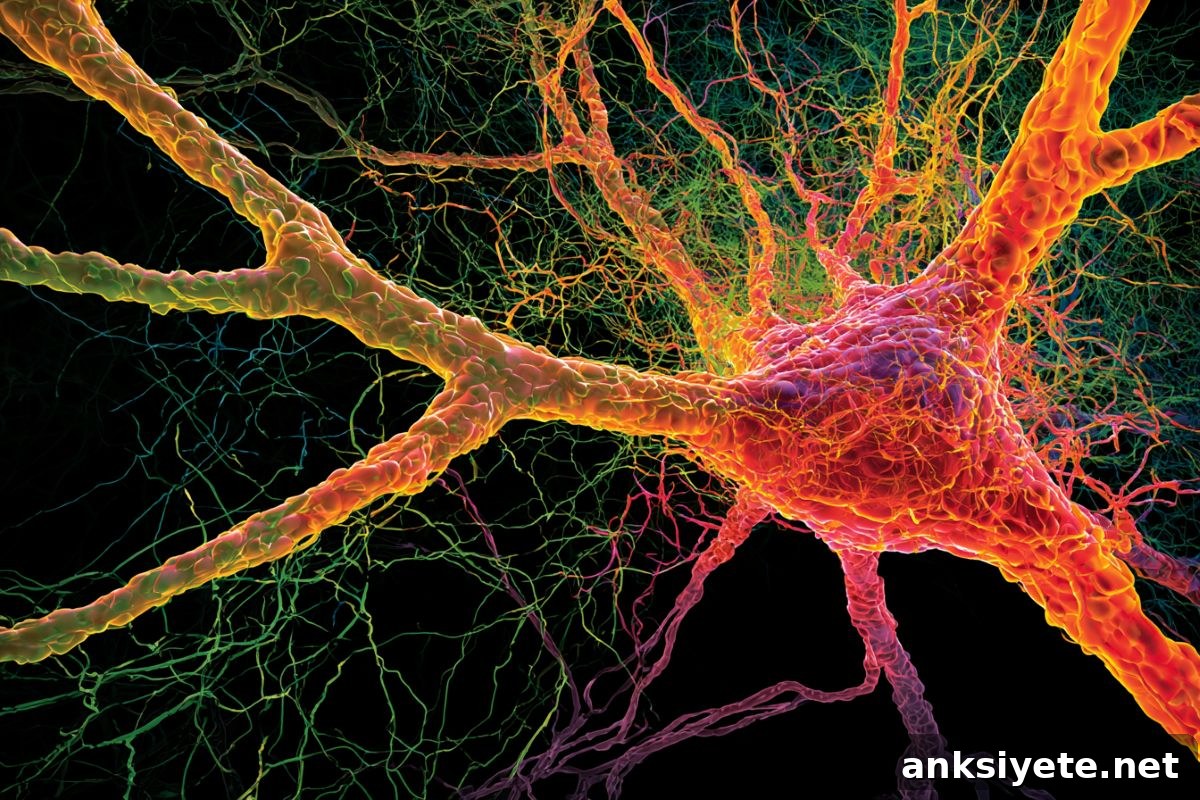
Summary: A new study from Niigata University reveals an important, previously unrecognized protective role for full-length Amyloid Precursor Protein (APP). Beyond its well-known relationship to amyloid-β (Aβ) production in Alzheimer’s disease (AD), intact APP helps damaged neurons survive by clearing leaked nuclear material from the cytoplasm through lysosomal exocytosis. Under conditions associated with aging, oxidative … Read more