Estrogen Sources Beyond the Ovaries

featured 12576

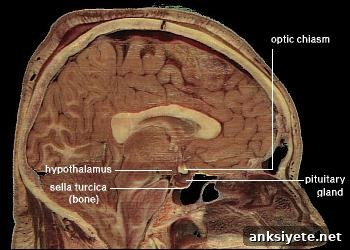
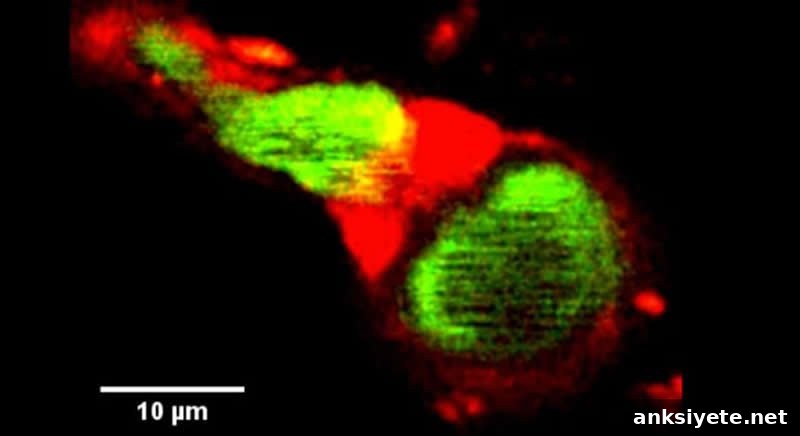
UW–Madison researchers report that the brain itself can synthesize and release estrogen — a finding that could transform our understanding of hormonal regulation from prenatal development through aging. New experiments demonstrate that the hypothalamus can directly produce estradiol and regulate reproductive function in rhesus monkeys, and the same mechanism is likely present in humans. This … Read more
Brain Iron Buildup Linked to Cognitive Decline in Aging

featured 80284

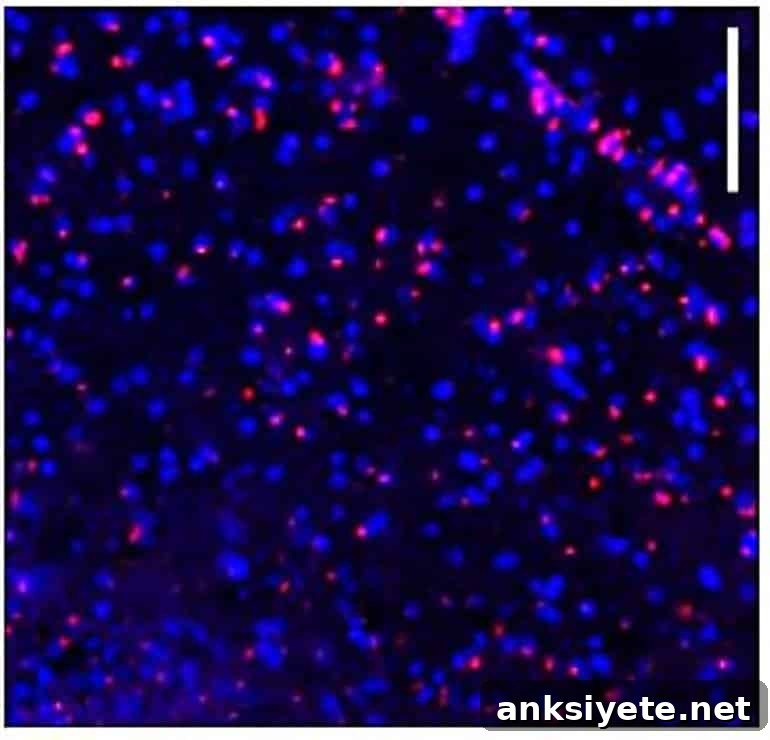
Summary: New research finds that age-related failure of iron-regulating mechanisms allows iron to accumulate in the brain, raising oxidative stress and increasing the risk of cognitive decline and neurodegenerative disease. Source: Northwestern University Scientists at Northwestern Medicine report that regulatory breakdowns permit iron to accumulate in the aging brain, elevating oxidative stress and causing cellular … Read more

Keto Diet Could Improve Multiple Sclerosis Symptoms

featured 105901

Summary: New research from UC San Francisco suggests the ketogenic diet may help control multiple sclerosis (MS) by prompting the gut and its microbes to produce immune-modulating compounds. In a controlled mouse study, animals consuming a ketogenic-style regimen produced the ketone body β-hydroxybutyrate (βHB), which worked together with specific gut bacteria to generate metabolites that … Read more

Mapping the Brain’s Communication Hub

featured 87903

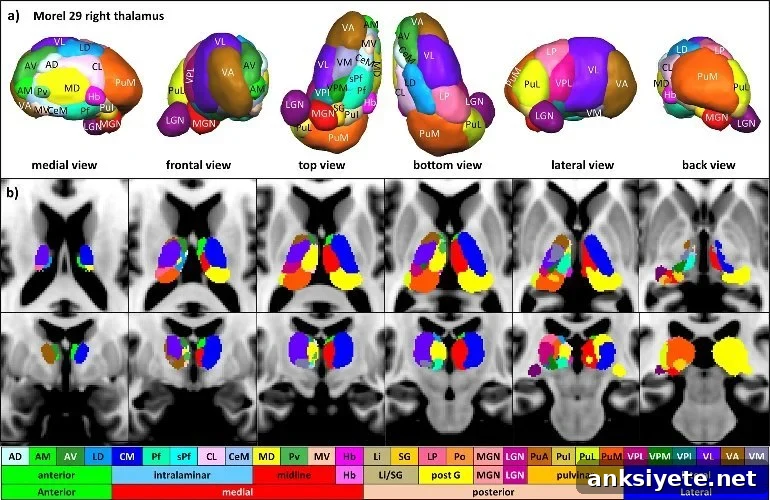
Summary: A new brain map reveals how the thalamus connects with other regions of the brain. Source: Max Planck Institute The thalamus functions as a central communication hub in the brain, routing signals from the senses and coordinating activity across brain regions. Despite its central role, its detailed functions have remained incompletely understood. Researchers at … Read more

How Brain Cells Drive Junk Food Cravings

featured 87348

Summary: Researchers identified a specific population of neurons in the amygdala that drive hedonic eating and influence energy balance. Source: CSHL A region of the brain known as the amygdala, long recognized for its role in processing strong emotions such as fear, also contains neurons that can drive overeating. Cold Spring Harbor Laboratory (CSHL) Professor … Read more

Study: Inflammation Linked to Chemical Imbalance in Schizophrenia

featured 55389

Summary: Elevated production of kynurenic acid has been linked to schizophrenia. New findings point to cell-specific treatment targets that could reduce kynurenic acid synthesis and ease symptoms of the disorder. Source: Macquarie University A study published in Molecular Psychiatry has uncovered inflammation-related biochemical changes in schizophrenia that disrupt normal neuronal communication. For the first time, … Read more

Local Protein Synthesis at Neuron Tips Fuels Memory Formation

featured 11545

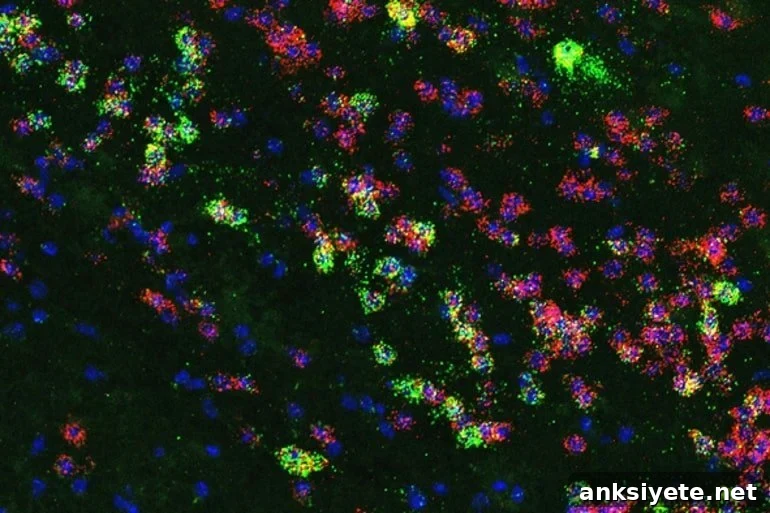
Understanding RNA biology in dendrites may inform neurological and psychiatric illness therapeutics. Protein synthesis within the branching processes of neurons—dendrites—supports long-term memory formation and other critical brain functions. “Thousands of messenger RNAs are present in dendrites, yet how multiple dendritic mRNAs are translated into their final protein products across time and space remains largely unknown,” … Read more

Researcher Reveals Overlooked Role of Brain Blood Vessels

featured 61762

Summary: Although previously thought to be absent from the brain, researchers have identified precapillary sphincters in the cerebral cortex of mice. The study suggests these small contractile structures may play a key role in regulating cerebral blood flow and local pressure, with implications for conditions such as migraine, Alzheimer’s disease and vascular dementia. Source: University … Read more

Is Aspirin Safe After a Brain Bleed for Stroke Patients?

featured 56494

Summary: Aspirin and other antiplatelet medicines may lower the risk of further bleeding after a stroke caused by bleeding in the brain. Source: University of Edinburgh Key finding: A major randomized clinical trial has found that people who suffered an intracerebral haemorrhage (bleeding stroke) and who restarted antiplatelet therapy did not face an increased risk … Read more

ADHD Diagnoses in U.S. School-Aged Children Jump 43 Percent

featured 26211

Girls showed a sharp rise in ADHD diagnosis during eight-year study period. By 2011, roughly 12% of U.S. children and adolescents had been diagnosed with Attention Deficit/Hyperactivity Disorder (ADHD), a prevalence that represents a 43% increase since 2003. The analysis, based on parent reports from a large national survey, estimates about 5.8 million U.S. children … Read more