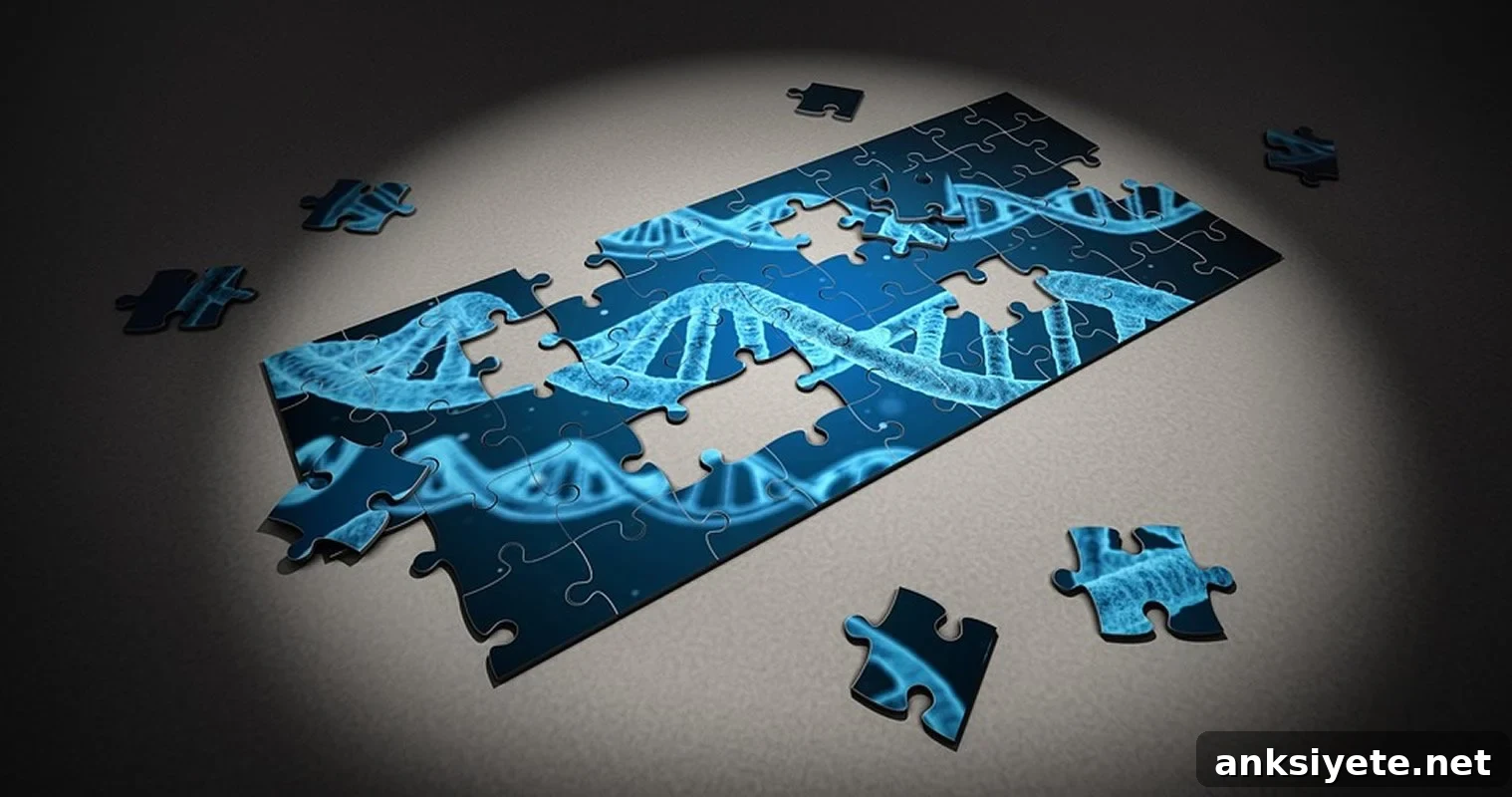
How Autism Can Improve Bystander Intervention

featured 97844

Summary: New research highlights underappreciated advantages of autism in workplace settings, revealing that autistic employees are less susceptible to the bystander effect and may strengthen organizational ethics and performance. Contrary to the classic bystander effect—where people are less likely to intervene in problematic situations when others are present—this study finds that autistic individuals are more … Read more
Blood Test Diagnoses Concussion, Predicts Long-Term Impairment

featured 12353

Penn Medicine researchers find that elevated blood levels of a specific protein after traumatic brain injury are linked to white matter damage and lasting cognitive problems. Researchers at the Perelman School of Medicine, University of Pennsylvania, working with colleagues at Baylor College of Medicine, report that a blood biomarker accurately identified which concussion patients later … Read more

Researchers Pinpoint Brain Cause of Menopausal Hot Flashes

featured 10707

Neuroscientists at Wayne State University School of Medicine have produced the first new insights in years into the neural origins of hot flashes in menopausal women. Their findings shed light on brain activity that precedes and accompanies these sudden, temporary episodes of body warmth, flushing, and sweating, and may eventually inform targeted treatments for menopause-related … Read more

New Study Identifies Predictor of Antidepressant Response

featured 8719

Discovery reveals how therapies activate brain stem cells Researchers at Johns Hopkins have identified a protein that appears to be a common target of both antidepressant medications and electroconvulsive therapy (ECT). Using experiments in mice and analyses of human genetic data, the team uncovered how these treatments may relieve depression by stimulating neural stem cells … Read more

MMR Vaccine Myths Fuel Rising Measles Cases

featured 102781

Summary: A recent national survey found that 24% of U.S. adults mistakenly believe the MMR (measles, mumps, rubella) vaccine causes autism, despite clear guidance from the Centers for Disease Control and Prevention (CDC) that no such link exists. This persistent misconception is tied to growing vaccine hesitancy and coincides with a notable rise in measles … Read more

New Brain Circuit Explains How Experience Alters Perception

featured 13614

Scientists monitor inhibitory neurons that connect smell with memory and cognition in awake mice Smells can instantly transport us to specific moments in our lives — a familiar perfume, the scent of a childhood kitchen, or the smell of rain on pavement. These associations develop because repeated experiences create expectations that influence how the brain … Read more

How Genes and Brain Structure Shape Intelligence

featured 92110

Summary: By combining genetic profiling, intelligence testing, and neuroimaging, researchers identified a small set of brain regions—mainly within the frontal, parietal, and visual cortices—where genetic variation shapes brain properties that in turn relate to cognitive performance. Source: RUB (Ruhr University Bochum) Intelligence is partly heritable. Large genetic studies have shown that many genetic variants are … Read more

How Facial Expressions Influence Love for Broccoli

featured 99349

Summary: Viewing other people’s facial reactions while they eat raw broccoli alters women’s reported liking of the vegetable but does not change their immediate desire to eat it. Researchers compared the effects of positive, neutral and negative expressions shown while models consumed raw broccoli to understand how social cues shape food attitudes. The study found … Read more

Uncovering Surprising Mechanisms of Memory Formation

featured 34704

Summary: New research reveals unexpected molecular steps that enable memories to form at the level of single synapses. Source: Duke Mouse study uncovers surprising molecular choreography behind memory formation We remember spectacular moments, like Simone Biles’s celebrated gymnastics routine, because our brains physically strengthen specific synapses — the tiny contact points between neurons. A joint … Read more

Scientists Find Second Short-Sleep Gene After 10-Year Search

featured 59150

Summary: Scientists at UC San Francisco have identified a second gene linked to natural short sleep. Through optogenetic stimulation of neurons in the dorsal pons that express ADRB1, they showed these cells promote wakefulness. Mice carrying the ADRB1 mutation were easier to rouse and displayed a shift in the balance between wake-promoting and sleep-promoting neurons, … Read more